Miyoko’s Oat Butter Recipe
Learn how to make a creamy, spreadable vegan Miyoko’s Oat Butter Recipe inspired by Miyoko Schinner’s techniques, perfect for baking, cooking, or slathering on warm toast.
I’ve been making my own plant-based butter at home for years, and once I discovered how easy it is to whip up a batch that rivals anything from the store, I never looked back. This miyokos oat butter recipe gives you that rich, creamy texture with just a handful of simple ingredients and about 10 minutes of active work.
Table of Contents
What Makes This Miyoko’s Oat Butter Recipe Special
This homemade oat milk butter is inspired by Miyoko Schinner’s innovative approach to vegan butter—using a combination of fats and cultured non-dairy milk to create something that actually tastes and behaves like traditional butter. The result is a spreadable, melt-in-your-mouth plant-based butter that works beautifully in everything from cookies to sautéed vegetables.
You get a rich, slightly tangy flavor thanks to the cultured milk base, and the texture is spot-on: firm when cold, spreadable at room temperature, and perfect for baking. Plus, you control exactly what goes into it—no weird stabilizers or mystery ingredients.
Why You’ll Love This Vegan Butter Recipe
This recipe hits all the right notes if you’re looking for a dairy-free alternative that doesn’t compromise on flavor or function. Here’s what makes it worth the small effort:
The texture is incredibly smooth and creamy, not grainy or separated like some store-bought versions. It melts beautifully on hot foods and holds its shape when cold, making it versatile for both cooking and baking.
You can customize the flavor by adjusting the amount of apple cider vinegar for more tang, or by adding a pinch of nutritional yeast for a deeper, more buttery taste. The base recipe is neutral enough to work in sweet or savory dishes.
It’s also surprisingly economical. A batch costs significantly less than premium vegan butter brands, and you probably already have most of the ingredients in your pantry.
The recipe is flexible too—you can use whatever non-dairy milk you have on hand, and the liquid oil can be swapped based on what you prefer or what’s available.

Miyoko’s Oat Butter Recipe
Ingredients
Ingredients
- ½ cup rich soy milk almond milk, oat milk, or other commercial non-dairy milk
- 1 teaspoon apple cider vinegar
- ¾ cup melted refined coconut oil melted but not hot
- 1 cup liquid oil chilled in fridge (avocado, sunflower, safflower, etc)
- ½ cup to 1 implied: teaspoon/tablespoon, precise measurement not provided for this ingredient
- 3 cups of water
- 1 cup of raw cashews if not pasteurized, boil cashews for 1-2 minutes beforehand
- A little less than 1/8 tsp of Vegan implied: rennet, precise ingredient not provided
Instructions
- Combine 1/2 cup rich soy milk, almond milk, oat milk, or other commercial non-dairy milk with 1 teaspoon apple cider vinegar.
- In a separate step or with the above, add 3/4 cup melted refined coconut oil (melted but not hot), 1 cup chilled liquid oil (avocado, sunflower, safflower, etc), and 1/2 cup to 1 (unspecified unit) of another ingredient.
- Optionally, for a different version, use 3 cups of water, 1 cup of raw cashews (boil if not pasteurized for 1-2 minutes beforehand), and a little less than 1/8 tsp of vegan (unspecified ingredient, likely rennet or a similar culture).
Notes
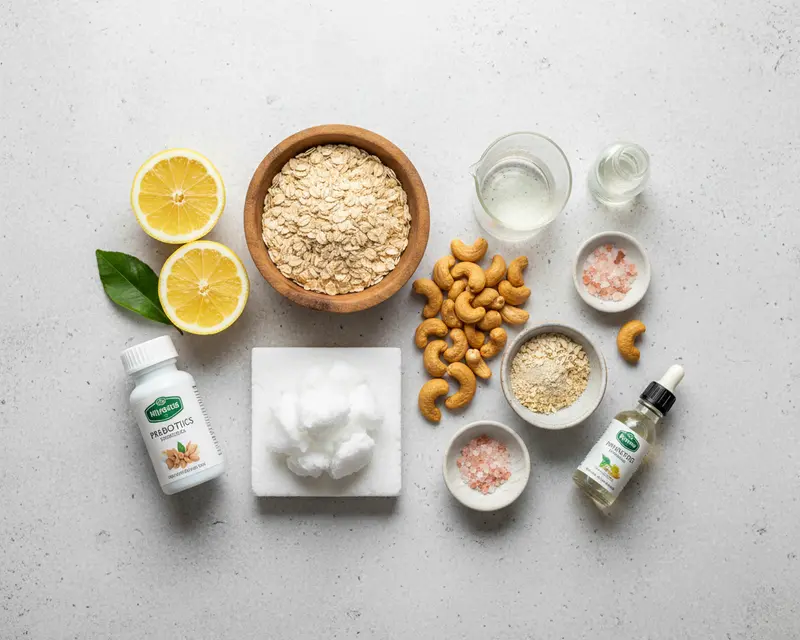
Ingredients for Miyoko’s Oat Butter
This recipe uses two slightly different approaches—a quick version and a cultured cashew version. I’ll walk you through both so you can choose based on your time and what you have available.
| Ingredient | Amount | Notes |
|---|---|---|
| Rich non-dairy milk | 1/2 cup | Soy, almond, or oat milk work best—choose a full-fat version |
| Apple cider vinegar | 1 teaspoon | Creates the cultured tang |
| Refined coconut oil | 3/4 cup | Melted but not hot; refined has no coconut flavor |
| Liquid oil, chilled | 1 cup | Avocado, sunflower, or safflower oil |
| Raw cashews (optional cultured version) | 1 cup | Boil 1-2 minutes if not pasteurized |
| Water (for cashew version) | 3 cups | For blending with cashews |
| Vegan culture or probiotic | Pinch (less than 1/8 tsp) | Optional for deeper flavor |
| Salt | 1/2 to 1 teaspoon | Adjust to taste preference |
Understanding Your Ingredients
Let me break down why each ingredient matters, because when you understand the function, you can troubleshoot and adapt more easily.
The refined coconut oil is what gives this plant-based butter its firmness when chilled. Coconut oil is solid at cool temperatures and melts around 76°F, which mimics how real butter behaves. Make sure you use refined, not virgin coconut oil—refined has no coconut taste, so your butter won’t taste like piña coladas.
The liquid oil stays fluid even when cold, which keeps the butter spreadable straight from the fridge. Without it, you’d have rock-hard coconut oil that’s impossible to spread. Avocado oil is my favorite because it’s neutral and heart-healthy, but sunflower or safflower work great too.
The non-dairy milk adds moisture and helps emulsify everything together. Choose a rich, creamy variety—light or watery milks won’t give you the same luscious texture.
Apple cider vinegar is key for that slightly tangy, cultured flavor that makes this taste like real butter. When you mix it with the milk, it creates a quick buttermilk-style base that adds complexity.
Cashews in the cultured version add body and a subtle richness. According to the National Center for Biotechnology Information, cashews are naturally creamy when blended due to their fat and starch content, making them ideal for dairy-free recipes.
Step-by-Step Instructions for Homemade Oat Milk Butter
This process is straightforward, but timing and temperature matter for getting the right texture. I’ll give you both the quick method and the cultured cashew method so you can pick what works for your schedule.
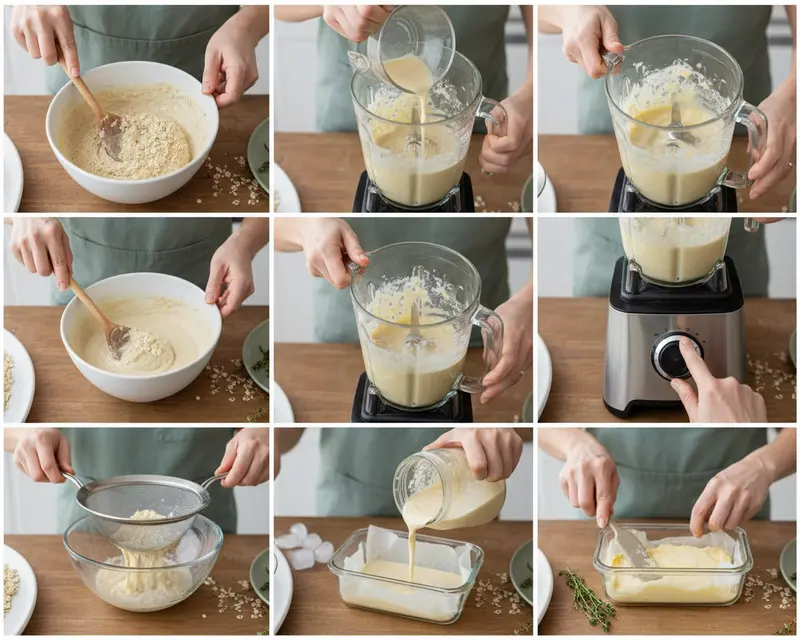
Quick Method (Ready in 10 Minutes)
- Culture your milk base. Pour 1/2 cup of your chosen non-dairy milk into a small bowl or measuring cup. Add 1 teaspoon of apple cider vinegar, stir gently, and let it sit for about 5 minutes. You’ll notice it thickens slightly and may look a bit curdled—that’s exactly what you want. This creates a tangy base that mimics cultured butter.
- Prepare your oils. Measure out 3/4 cup refined coconut oil and melt it gently—I do this in the microwave in 20-second bursts or in a small pan on low heat. Let it cool to just warm, not hot. If it’s too hot, it’ll cause the butter to separate later. At the same time, measure 1 cup of your liquid oil (avocado, sunflower, or safflower) and make sure it’s been chilling in the fridge for at least 30 minutes. This temperature difference is important for proper emulsification.
- Blend the base. Pour your cultured milk mixture into a blender or food processor. Add 1/2 to 1 teaspoon of salt (start with less—you can always add more). Blend on low for a few seconds to combine.
- Slowly add the melted coconut oil. With the blender running on medium-low speed, very slowly drizzle in the melted (but not hot) coconut oil. This should take about 30 seconds. You’ll see the mixture start to thicken and turn creamy as the oil emulsifies with the milk. If you dump it all in at once, it won’t emulsify properly and you’ll end up with a separated mess.
- Add the chilled liquid oil. Keep the blender running and now drizzle in the chilled liquid oil in a slow, steady stream. This step takes another 30 to 45 seconds. The mixture will get thicker and paler, taking on that beautiful butter-like appearance. You’ll hear the sound of the blender change as the mixture gets denser—that’s your cue it’s working.
- Blend until smooth and thick. Once all the oil is incorporated, blend on medium-high for another 30 to 60 seconds until everything is completely smooth and uniform. The texture should look like very soft butter or thick cream. If you see any oil separating at the edges, blend a bit longer.
- Transfer and chill. Pour the butter into a container with a lid—I like to use a glass storage container or even a small loaf pan lined with parchment paper if I want a block shape. Smooth the top with a spatula. Cover and refrigerate for at least 3 to 4 hours, or until completely firm. The butter will solidify as it chills and develop that perfect spreadable texture.
Cultured Cashew Method (More Depth, Takes Longer)
- Prepare the cashews. If your cashews aren’t already pasteurized (most store-bought ones are, but bulk bin cashews might not be), bring a small pot of water to a boil and blanch the cashews for 1 to 2 minutes. Drain and rinse them under cool water. This step ensures food safety and also softens them slightly for easier blending.
- Blend the cashew base. Add 1 cup of the prepared cashews and 3 cups of water to a high-speed blender. Blend on high for 2 to 3 minutes until completely smooth and creamy, with no graininess. You want this to look like thick cream. If your blender struggles, add a splash more water, but don’t make it too thin.
- Culture the cashew cream (optional but recommended). Pour the cashew cream into a clean glass jar. Add a pinch (really just a tiny amount, less than 1/8 teaspoon) of vegan probiotic powder or the contents of one probiotic capsule. Stir well, cover loosely with a clean cloth or lid placed gently on top, and let it sit at room temperature for 8 to 24 hours. The longer it sits, the tangier it gets. You’ll know it’s ready when it smells pleasantly sour, like yogurt or cultured cream.
- Measure the cultured cream. After culturing, you’ll use 1/2 cup of this cashew cream in place of the non-dairy milk in the quick method. Save the rest for other recipes—it’s fantastic in creamy pasta dishes like this creamy tuscan pasta or blended into soups.
- Follow the blending steps. From here, follow steps 2 through 7 from the quick method above, using your cultured cashew cream instead of the apple cider vinegar and milk mixture. The cultured cashew version will have a slightly richer texture and a more complex, tangy flavor that’s remarkably close to traditional European-style butter.
Expert Tips for Perfect Plant-Based Butter Every Time
After making this miyokos oat butter recipe dozens of times, I’ve picked up a few tricks that make a real difference in the final result.
Temperature control is everything. If your coconut oil is too hot when you add it, the emulsion won’t form properly and you’ll get a greasy, separated mixture. Let it cool to just barely warm—you should be able to comfortably touch the outside of the container without it feeling hot.
Chilling the liquid oil before blending helps create a stable emulsion. Cold meets warm, and the temperature difference helps the fats bind together more effectively.
Blend slowly at first. If you go full speed right away, you’ll incorporate too much air and end up with a fluffy, mousse-like texture instead of smooth, dense butter. Start slow, then increase speed once everything is combined.
Use a high-speed blender if possible. A food processor can work, but a good blender (like a Vitamix or similar) creates the smoothest, most professional texture. If you only have a regular blender, just blend a bit longer to compensate.
Salt to taste, but don’t skip it entirely. Even if you’re making sweet baked goods, a little salt enhances all the flavors and makes the butter taste more authentic. I usually start with 1/2 teaspoon and adjust from there.
For a more authentic butter flavor, try adding a tiny pinch of turmeric for color (just a speck—you don’t want it to taste like turmeric) or a drop of liquid smoke for depth. Some people also add a teaspoon of nutritional yeast for a cheesy, buttery note.
Creative Variations to Try
Once you’ve mastered the basic vegan butter recipe, it’s fun to play around with flavors and uses.
Make a garlic herb butter by adding 2 to 3 cloves of roasted garlic, a tablespoon of fresh chopped parsley, and a teaspoon of dried Italian herbs to the blender before the final mix. This is incredible on crusty bread or melted over vegetables.
Try a sweet cinnamon honey butter by adding 2 tablespoons of maple syrup and 1/2 teaspoon of cinnamon after blending. This is perfect on pancakes, waffles, or these homemade oatmeal cream pies.
Create a cultured European-style butter by letting your cashew cream ferment for the full 24 hours and adding an extra 1/2 teaspoon of apple cider vinegar for maximum tang. This is amazing for spreading on fresh baguette.
Make it nut-free by using only the quick method with oat milk or soy milk instead of the cashew version. Just make sure your non-dairy milk is extra creamy—barista-style oat milk works particularly well.
Add nutritional value with a tablespoon of ground flax or chia seeds blended in. This adds omega-3s and a subtle nutty flavor that works beautifully in savory applications.
Troubleshooting Common Issues
Even with careful measuring, sometimes things don’t go exactly as planned. Here’s how to fix the most common problems.
If your butter is too soft and won’t firm up, you probably have too much liquid oil and not enough coconut oil. Next time, increase the coconut oil to 1 cup and reduce the liquid oil to 3/4 cup. You can also pop the current batch back in the blender, add 2 to 3 tablespoons more melted coconut oil, blend quickly, and re-chill.
If your butter is too hard and difficult to spread, the opposite is true—too much coconut oil. You can soften it by leaving it at room temperature for 15 to 20 minutes before use, or next time reduce the coconut oil slightly and increase the liquid oil.
If the mixture looks separated or curdled after blending, the emulsion broke. This usually happens if the oils were the wrong temperature. Try blending it again on high speed for a full minute—sometimes you can save it. If not, you can still use it for cooking where texture doesn’t matter as much, like sautéing vegetables.
If your butter tastes too coconutty, you accidentally used virgin coconut oil instead of refined. Refined coconut oil is flavorless, which is what you need here. Unfortunately, there’s no fix for this batch, but it’s still usable in recipes where coconut flavor is acceptable.
If your butter has an off smell or taste after culturing, it may have been contaminated with unwanted bacteria. This is rare, but it can happen if your jar wasn’t clean or the room was too warm. Always use freshly washed containers and don’t let it culture in temperatures above 75°F for food safety.
How to Use Your Homemade Miyoko Schinner Butter
This plant-based butter works in virtually any application where you’d use dairy butter.
Spread it on toast, bagels, or muffins—it melts beautifully and has that classic butter flavor you crave. It’s also perfect for finishing dishes, like stirring a pat into pasta (try it in this easy healthy broccoli pasta) or melting over steamed vegetables.
It works wonderfully in baking. I’ve used it successfully in cookies, cakes, pie crusts, and biscuits. The texture and moisture content are spot-on for most recipes. Just make sure it’s at the right temperature—softened for creaming with sugar, cold and cubed for pie dough.
Use it for sautéing and pan-frying. It has a decent smoke point (around 350°F) thanks to the refined coconut oil, so it works well for cooking vegetables, making roux, or pan-frying tofu.
Make compound butters by mixing in herbs, spices, citrus zest, or roasted garlic. Roll it into a log in parchment paper and slice off rounds as needed for an impressive finishing touch to meals.
Storage Tips for Your Vegan Butter
Proper storage keeps your homemade oat milk butter fresh and prevents it from picking up fridge odors or going rancid.

| Storage Method | Duration | Best Practices |
|---|---|---|
| Refrigerator | 2 to 3 weeks | Store in an airtight container; butter absorbs odors easily |
| Freezer | 3 to 4 months | Wrap tightly in parchment, then foil; or freeze in ice cube trays for portioning |
| Room temperature (butter dish) | 3 to 5 days | Only in cool kitchens below 70°F; use a covered butter keeper |
According to the FDA’s food safety guidelines, plant-based fats can be safely stored at room temperature for short periods, but refrigeration extends shelf life significantly.
I like to keep one small portion in a covered butter dish on the counter for easy spreading, and store the rest in the fridge. If your kitchen gets warm, though, skip the counter storage and just let it soften for 10 to 15 minutes before using.
For freezing, I portion the butter into tablespoon-sized amounts using an ice cube tray, freeze until solid, then pop them out and store in a freezer bag. This makes it super easy to grab exactly what you need for a recipe without thawing the whole batch.
Miyokos Oat Butter Recipe FAQs
What is Miyoko’s oat butter?
Miyoko’s oat butter is a plant-based butter alternative made primarily from oats and plant oils. It is a vegan, dairy-free product designed to mimic the taste and texture of traditional butter while being made entirely from plant-based ingredients. The recipe typically includes cultured oat milk, coconut oil, and other natural ingredients to create a spreadable, creamy butter substitute.
Can I make Miyoko’s oat butter at home?
Yes, you can make a homemade version of oat butter inspired by Miyoko’s recipe. The basic process involves blending oat milk with coconut oil or other plant-based oils, adding cultures or lemon juice for tanginess, and using lecithin or other emulsifiers to achieve the right consistency. After blending, the mixture is typically chilled until it solidifies into a spreadable butter-like consistency.
What are the main ingredients in Miyoko’s oat butter recipe?
The main ingredients in a Miyoko’s-style oat butter recipe include cultured oat milk, refined coconut oil, sunflower oil or other neutral plant oils, sunflower lecithin as an emulsifier, salt, and sometimes nutritional yeast or cultures for added flavor. Some recipes also include a small amount of lemon juice or apple cider vinegar to enhance the tangy, buttery flavor.
Is Miyoko’s oat butter healthier than dairy butter?
Miyoko’s oat butter offers different nutritional benefits compared to dairy butter. It is cholesterol-free, lactose-free, and suitable for vegans. Oat butter typically contains less saturated fat than dairy butter, though it still contains calories from plant oils. It may also contain beta-glucans from oats, which support heart health. However, it is still a concentrated fat source and should be consumed in moderation as part of a balanced diet.
How do you use Miyoko’s oat butter in cooking and baking?
Miyoko’s oat butter can be used just like dairy butter in most cooking and baking applications. You can spread it on toast, melt it over vegetables, use it for sautéing, or incorporate it into baked goods like cookies, cakes, and pastries. It performs well in recipes that call for butter, though some adjustments may be needed for certain baking applications due to differences in water content and melting point compared to dairy butter.
Final Thoughts on This Miyokos Oat Butter Recipe
Making your own plant-based butter at home is one of those small kitchen projects that feels incredibly rewarding. The first time you spread it on warm toast and realize it tastes just as good as (or better than) the expensive stuff from the store, you’ll be hooked.
This miyokos oat butter recipe is forgiving, adaptable, and genuinely useful. Whether you’re baking, cooking, or just want something delicious to put on your morning bagel, it delivers every time.
I’d love to hear how your batch turns out! If you make this recipe, let me know in the comments or check out more of my plant-based recipes for more inspiration. Happy cooking!