Vegan Miyoko Butter Recipe
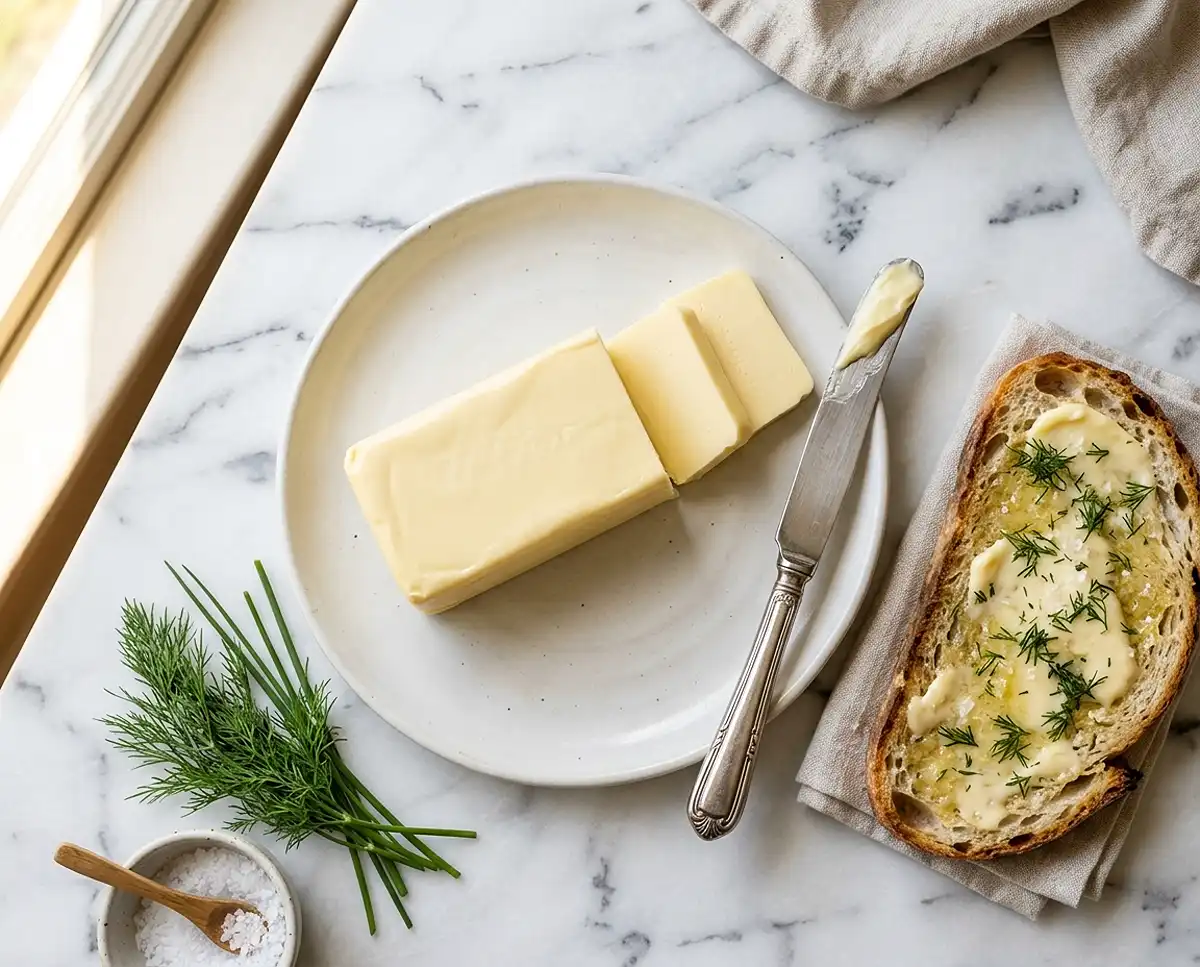
This miyoko butter recipe brings silky, spreadable, plant-based butter to your kitchen with just a handful of ingredients and minutes of hands-on time.
I’ll be honest—making your own vegan butter at home felt intimidating until I actually tried it. But once I made my first batch of this miyoko butter recipe, I was completely hooked. It’s creamy, rich, and spreads like a dream on warm toast.
If you’ve ever bought Miyoko’s Creamery butter at the store and thought “I wonder if I could make this myself,” the answer is absolutely yes. And you’ll save money while controlling every ingredient that goes into it.
Table of Contents
What Makes This Miyoko Butter Recipe Special
This homemade vegan butter is a plant-based butter that mimics the texture and flavor of traditional dairy butter with surprising accuracy. The secret lies in emulsifying refined coconut oil with cashew cream and liquid oils to create that familiar spreadable consistency we all love.
You get a butter that melts beautifully, works perfectly for baking, and tastes clean without that overwhelming coconut flavor some vegan butters have. The best part? You can make it in about 15 minutes, and it keeps for days in the fridge or months in the freezer.
Why You’ll Love This Vegan Butter Recipe
There are so many reasons this recipe has become a staple in my kitchen. Let me share what makes it worth your time:
It’s surprisingly simple. No fancy equipment needed beyond a blender or immersion blender, and the ingredient list is shorter than you’d think. I remember the first time I made it, expecting some complicated chemistry experiment, but it came together faster than most cookie doughs.
The texture is spot-on. This isn’t one of those hard, waxy vegan butters that refuses to spread. It softens at room temperature just like dairy butter, melts smoothly in the pan, and doesn’t separate when you cook with it.
You control the ingredients. No mysterious additives, no palm oil if that’s a concern for you, and you can adjust the saltiness to your preference. Plus, knowing exactly what’s in your butter feels pretty great.
It’s economical. Once you price out a tub of premium vegan butter versus the cost of making your own, the savings add up quickly—especially if you go through butter as fast as my household does.
Miyoko Butter Recipe
Ingredients
Ingredients
- 1 ½ cups refined coconut oil
- ½ cup homemade cashew cream
- ¼ cup + 1 tablespoon sunflower oil
- ¾ cup melted refined coconut oil not hot
- 1 cup liquid oil chilled (avocado, sunflower, safflower)
- 3 cups of water
- 1 cup of raw cashews boil if not pasteurized
- A little less than 1/8 tsp of vegan culture
Instructions
- Combine 1 1/2 cups refined coconut oil, 1/2 cup homemade cashew cream, and 1/4 cup + 1 tablespoon sunflower oil. Mix well.
- Alternatively, combine 3/4 cup melted (but not hot) refined coconut oil, 1 cup chilled liquid oil (avocado, sunflower, or safflower), and 1/2 cup liquid (such as cashew cream or plant-based milk).
- To make cashew cream: Combine 3 cups of water and 1 cup of raw cashews. Boil cashews for 1-2 minutes if not pasteurized. Blend until smooth.
- (Optional) Add a little less than 1/8 tsp of vegan culture to the mixture for culturing.
- Blend all ingredients using an immersion blender until emulsified and smooth.
- Use immediately or refrigerate. If not using immediately, store in an airtight container in the refrigerator for 3-5 days, or freeze for longer storage.
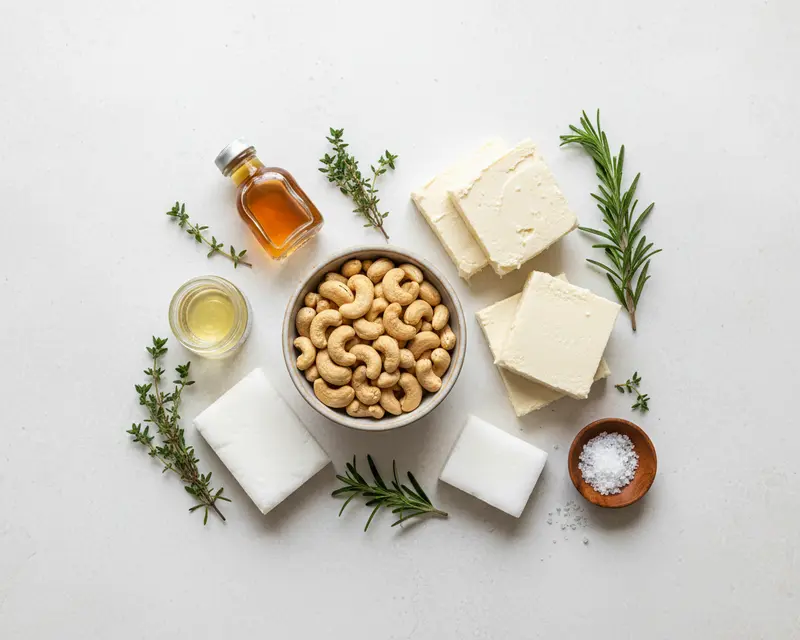
Ingredients for Homemade Vegan Butter
The ingredient list might look a bit long at first glance, but that’s only because I’m giving you two different methods to choose from. Pick the one that works best for what you have on hand.
| Ingredient | Amount | Notes |
|---|---|---|
| Refined coconut oil | 1 1/2 cups OR 3/4 cup melted | Must be refined, not virgin—you don’t want coconut flavor |
| Homemade cashew cream | 1/2 cup | The base for richness and body |
| Sunflower oil | 1/4 cup + 1 tablespoon | Or use avocado or safflower oil |
| Liquid oil (chilled) | 1 cup (alternative method) | Avocado, sunflower, or safflower work perfectly |
| Raw cashews | 1 cup | For making the cashew cream |
| Water | 3 cups | For boiling and blending cashews |
| Vegan culture (optional) | Less than 1/8 tsp | Adds that subtle tangy butter flavor |
A quick word on the oils: refined coconut oil is non-negotiable here because it’s what gives the butter its firm texture when chilled. The liquid oils keep it spreadable, and the cashew cream adds richness and helps with emulsification. If you’ve never worked with cashew cream before, don’t worry—it’s just blended soaked or boiled cashews, and it’s incredibly forgiving.
The vegan culture is completely optional, but if you want that authentic slightly tangy butter taste, it’s worth tracking down. You can find it online or at specialty food stores. I’ve made batches with and without it, and both are delicious, just slightly different in flavor profile.
Step-by-Step Instructions for Making Miyoko Butter
Alright, let’s get into the actual process. I’m going to walk you through this exactly how I make it in my own kitchen, with all the little details that help it turn out perfectly.
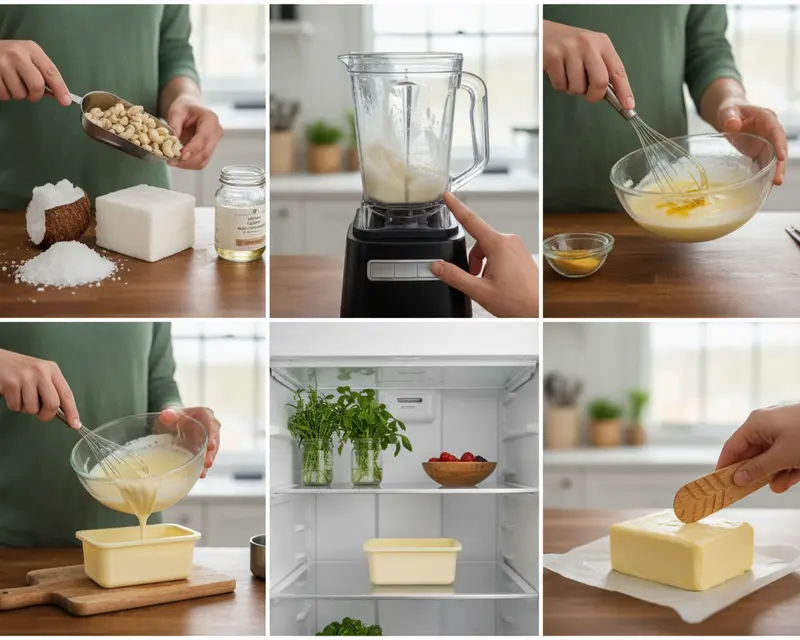
- Make your cashew cream first. Combine 3 cups of water and 1 cup of raw cashews in a pot. If your cashews aren’t pasteurized (check the label), bring them to a boil and cook for 1-2 minutes to ensure they’re safe. Drain them, then add them to your blender with just enough fresh water to get them moving—usually about 1/2 to 3/4 cup. Blend on high until the mixture is completely smooth and creamy with no graininess. This usually takes 2-3 minutes in a high-speed blender. Taste it—it should be rich and slightly sweet, almost like a very light cream.
- Choose your method. You’ve got two options here, and both work beautifully. Method one uses 1 1/2 cups refined coconut oil (at room temperature, so it’s solid but not rock-hard), 1/2 cup of that cashew cream you just made, and 1/4 cup plus 1 tablespoon sunflower oil. Method two uses 3/4 cup melted refined coconut oil (let it cool so it’s not hot), 1 cup chilled liquid oil like avocado or sunflower, and 1/2 cup cashew cream or even plain plant milk. I usually go with method one because I like the slightly firmer texture, but method two is great if you want something more spreadable straight from the fridge.
- Combine your ingredients. Add all your chosen ingredients to a tall container if you’re using an immersion blender, or to a regular blender if that’s what you’ve got. If you’re adding the vegan culture for that tangy flavor, add just under 1/8 teaspoon now. It seems like such a tiny amount, but trust me, it’s powerful stuff.
- Blend until emulsified. This is where the magic happens. Start your immersion blender at the bottom of the container and blend steadily for about 30 seconds, then slowly move it up and down through the mixture. You’ll see it transform from separated oils and liquid into a thick, creamy, pale yellow butter right before your eyes. With a regular blender, start on low and gradually increase to high, blending for about 1 minute total. The mixture should look completely smooth and uniform, with no oil separation visible. It’ll thicken as you blend and should have the consistency of very soft room-temperature dairy butter when you’re done.
- Taste and adjust. This is your chance to make it perfect for you. Want it saltier? Add a pinch of fine sea salt and pulse again. Want it tangier? A tiny squeeze of lemon juice works wonders. I usually add about 1/4 teaspoon of salt to mine because I like it on the savory side.
- Transfer and chill. Pour your beautiful homemade vegan butter into clean containers. I like using small glass jars or silicone butter molds—they make it feel fancy and they’re easy to store. If you’re using it right away, you can leave one portion at room temperature for easy spreading. Otherwise, pop everything into the refrigerator. It’ll firm up within a couple of hours and reach its ideal texture after sitting overnight.
The whole process, start to finish, takes maybe 15 minutes of active work. The rest is just waiting for it to chill. And the smell while you’re making it? Clean, slightly nutty, and nothing like that artificial butter flavor some store-bought versions have.
Expert Tips for Perfect Plant-Based Butter
After making this miyoko butter recipe dozens of times, I’ve picked up a few tricks that make the difference between good butter and great butter.
Temperature matters more than you’d think. If you’re using the melted coconut oil method, make sure it’s cooled to just warm or room temperature before blending. If it’s too hot, it can cause the mixture to separate instead of emulsifying properly. On the flip side, if your liquid oil is too warm, chill it for 10 minutes in the fridge first.
Blend in a tall, narrow container. If you’re using an immersion blender, this makes emulsification so much easier and cleaner. The narrow space forces the ingredients to mix thoroughly, and you’ll get less splatter on your countertop. I learned this the hard way after decorating my kitchen walls with cashew cream.
Don’t skip the refined coconut oil requirement. I know virgin coconut oil is trendier and feels healthier, but it will make your butter taste like coconuts, which is not what we’re going for here. Refined coconut oil has a neutral flavor and the right melting point for butter texture.
Store some at room temperature if you spread butter often. Just like dairy butter, this vegan butter recipe creates something that’s easier to spread when it’s not fridge-cold. Keep a small dish with 2-3 days’ worth on the counter in a covered butter dish, and refrigerate the rest.
Clean your blender immediately. The coconut oil will solidify as it cools, making cleanup harder if you wait. Rinse everything with hot water right after you’re done, and it’ll come clean in seconds.
Delicious Variations to Try
Once you’ve mastered the basic miyoko butter recipe, you can customize it in so many fun ways. Here are my favorite variations:
Cultured butter: This is where that vegan culture really shines. Add the full amount (just under 1/8 teaspoon), then let the blended mixture sit at room temperature for 8-12 hours before refrigerating. The culture will develop that complex, slightly tangy flavor that makes fancy European butters so special. It’s incredible on fresh bread.
Herb butter: Blend in 2 tablespoons of minced fresh herbs—I love rosemary and thyme together, or just classic parsley and garlic. This is perfect for melting over steamed vegetables or your favorite recipes.
Sweet cream butter: Add 1/2 teaspoon of coconut sugar or maple syrup for a subtly sweet version that’s perfect for baking or spreading on biscuits.
Garlic butter: Blend in 2-3 cloves of roasted garlic for the most amazing garlic bread butter you’ve ever tasted. I keep a batch of this in my freezer at all times.
Everything bagel butter: Stir in 2 tablespoons of everything bagel seasoning after blending. It sounds weird, but it’s absolutely addictive on toast or crackers.
Troubleshooting Common Issues
Even simple recipes can have hiccups. Here’s how to fix the most common problems I’ve seen:
The mixture won’t emulsify and stays separated: This usually means your temperatures were off. The coconut oil might have been too hot or too cold. Gently warm the whole mixture to about room temperature (you can set the container in a bowl of warm water), then try blending again with your immersion blender, starting at the bottom and working up slowly.
The butter is too hard straight from the fridge: You used too much coconut oil relative to the liquid oils. Next time, increase the liquid oil by 2 tablespoons and decrease the coconut oil by the same amount. You can also let it sit at room temperature for 10 minutes before using—it softens quickly.
The butter is too soft and won’t hold its shape: The opposite problem—not enough coconut oil. Add 2 more tablespoons of melted, cooled coconut oil, blend again, and refrigerate. It should firm up nicely.
It tastes like coconut: You accidentally used virgin coconut oil instead of refined. Unfortunately, there’s no fixing this batch, but it’ll still work fine for cooking where coconut flavor is acceptable. Next time, double-check your coconut oil label.
The cashew cream is grainy: Your blender didn’t run long enough, or your cashews weren’t soft enough. If you’re not using a high-speed blender, soak the cashews in hot water for 30 minutes before blending, then blend for a full 3-4 minutes. Strain through a fine-mesh sieve if needed.
Storage Guidelines for Vegan Butter
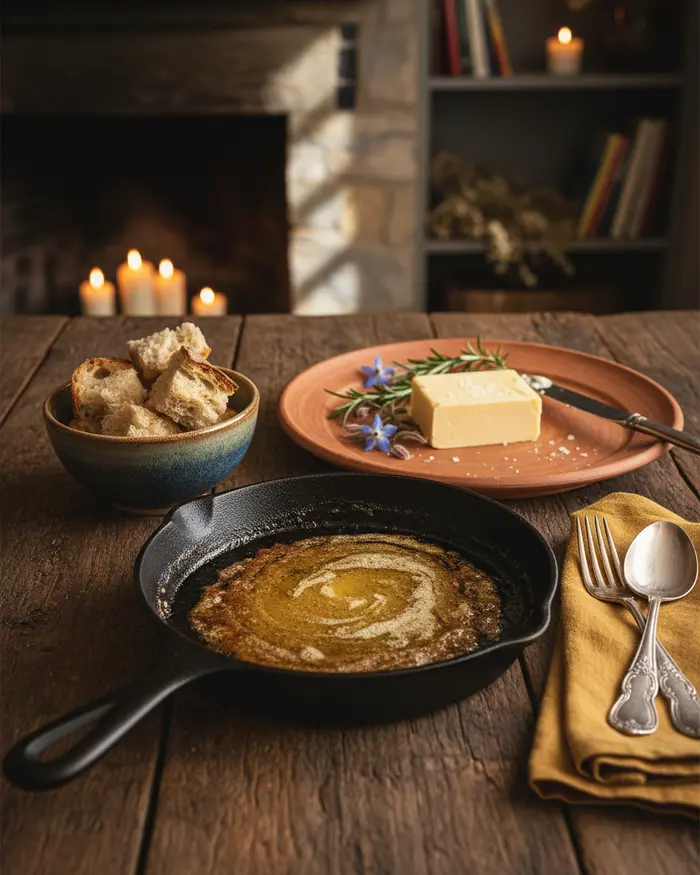
Proper storage keeps your homemade vegan butter fresh and delicious for weeks or even months. Here’s exactly how to store it for the best results.
| Storage Method | Duration | Best For |
|---|---|---|
| Room temperature (covered) | 2-3 days | Daily spreading and easy access |
| Refrigerator (airtight) | 3-5 days | Regular use within the week |
| Freezer (airtight) | 2-3 months | Long-term storage and backup supply |
I always divide my batch into portions—one small container for the counter, one in the fridge for the current week, and the rest in the freezer for later. Glass jars with tight lids work great, but silicone molds are my favorite because you can pop out exactly what you need.
To freeze, portion the butter into ice cube trays or silicone molds, freeze until solid, then transfer the cubes to a freezer bag. Each cube is usually about 2 tablespoons, which makes measuring for recipes incredibly easy. Thaw overnight in the fridge or let individual portions sit at room temperature for 30 minutes.
One important note from the FDA’s food safety guidelines: always use clean utensils when scooping butter to avoid introducing bacteria that can shorten its shelf life.
Miyoko Butter Recipe FAQs
What are the main ingredients needed to make Miyoko’s butter recipe?
The main ingredients for Miyoko’s butter recipe include raw cashews (soaked), refined coconut oil, a liquid such as water or non-dairy milk, apple cider vinegar or lemon juice, and salt. Some variations may include nutritional yeast for a cheesy flavor or liquid sunflower lecithin to help with emulsification. The cashews provide a creamy base while the coconut oil gives it the solid texture at room temperature.
How long does homemade Miyoko’s style butter last in the refrigerator?
Homemade Miyoko’s style vegan butter typically lasts about 2 to 3 weeks when stored properly in an airtight container in the refrigerator. For longer storage, you can freeze the butter for up to 3 months. Make sure to use clean utensils when scooping out the butter to prevent contamination and extend its shelf life. The butter should smell fresh and maintain its color; discard if you notice any off odors or discoloration.
Can I use other nuts instead of cashews in Miyoko’s butter recipe?
Yes, you can substitute cashews with other nuts, though cashews are preferred because of their mild flavor and creamy texture. Macadamia nuts work particularly well as a substitute and create a rich, buttery flavor. Blanched almonds can also be used but may result in a slightly different taste and texture. Whatever nut you choose, make sure to soak them for at least 4 to 6 hours or overnight to ensure a smooth, creamy consistency when blended.
Do I need any special equipment to make Miyoko’s butter at home?
The primary equipment needed is a high-powered blender such as a Vitamix or Blendtec to achieve a smooth, creamy texture. A regular blender may work but might not get the mixture as silky smooth. You will also need measuring cups and spoons, a container for soaking nuts, and storage containers or molds for shaping and storing the finished butter. A spatula is helpful for scraping down the sides of the blender and transferring the butter to containers.
Why does Miyoko’s butter recipe require culturing or fermenting?
The traditional Miyoko’s butter recipe includes a culturing step to develop the complex, tangy flavor that resembles traditional cultured dairy butter. This is achieved by adding probiotic capsules or rejuvelac to the cashew mixture and letting it ferment at room temperature for several hours or overnight. The fermentation process creates lactic acid, which gives the butter its characteristic slightly sour taste and aroma. However, quick versions of the recipe skip this step for immediate use, though the flavor will be milder.
Ready to Make Your Own Miyoko Butter?
This miyoko butter recipe has completely changed how I think about plant-based cooking. It’s not just a substitution—it’s genuinely delicious in its own right, and knowing I made it myself makes every slice of toast feel a little special.
The beauty of homemade vegan butter is how customizable it is. Once you’ve made the basic version a few times and gotten comfortable with the process, you can tweak it endlessly to match your preferences and whatever you’re cooking.
I’d love to hear how your batch turns out! Did you add herbs? Go for the cultured version? Use it in baking? Drop a comment and let me know what you think. And if you’re looking for more delicious recipes to use your beautiful new butter on, check out my collection of favorite recipes.
Now go make some butter! Your toast is waiting.