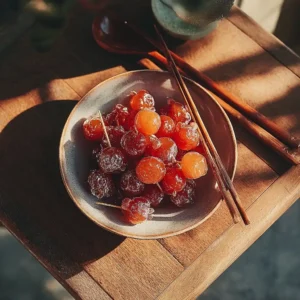
Tanghulu (Chinese Candied Fruit) You Can Make at Home
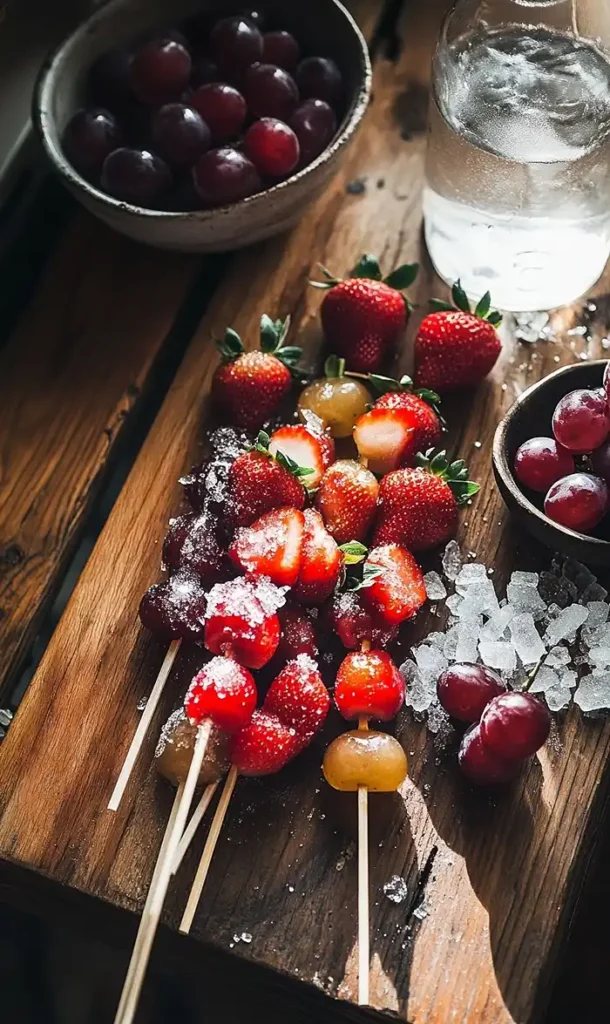
Craving Tanghulu (Chinese Candied Fruit) but don’t want to track down a street vendor? Good news — this homemade tanghulu recipe takes just 3 ingredients and about 20 minutes, and the result is that iconic, glassy candy shell that cracks like a dream.
Okay, real talk — the first time I saw tanghulu on social media, I immediately needed it in my life. That satisfying crack when someone bites through the sugar shell? Obsessed. Turns out, making it at home is way easier than it looks, and once you nail it, you’ll be skewering every fruit in your fridge.
Table of Contents
What You’re Getting Into
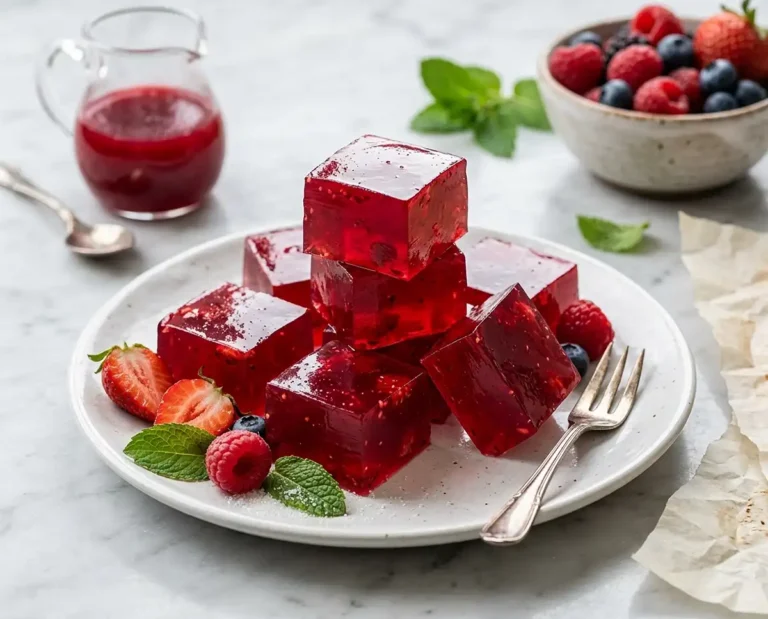
This is a quick, three-ingredient magic trick. You’re essentially making hard candy and using fresh fruit as the vehicle — strawberries, grapes, whatever you’ve got. The sugar coating goes on thin and glossy, hardens almost instantly, and gives you that beautiful crackle with every bite. It’s sweet, it’s fruity, it’s a little dramatic in the best way. Think of it as the Chinese street food version of a gourmet candy apple.
If you love easy snacks with big wow factor, you might also enjoy this cozy one-pot egg roll soup for a savory contrast — because balance, right?
Tanghulu (Chinese Candied Fruit)
Equipment
- Small saucepan
- Bamboo skewers
- Candy thermometer
- Bowl with ice water
- Parchment-lined plate
- Paper towels
Ingredients
Fruit
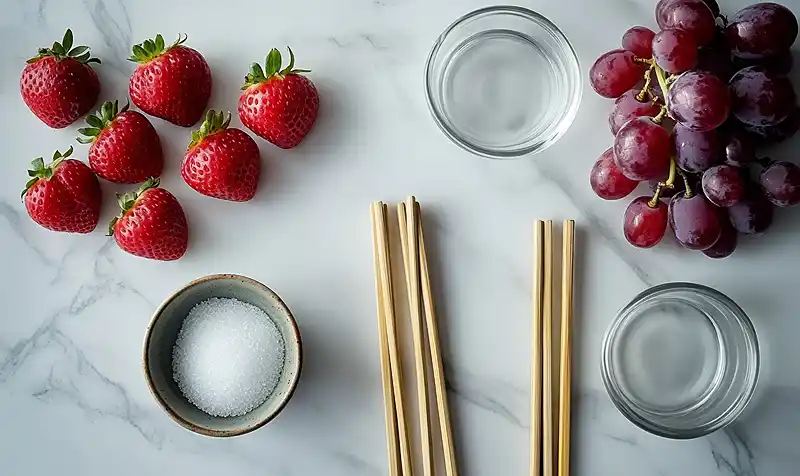
- 1 lb strawberries, grapes, or fruit of choice approximately 30 pieces; choose firm fruit
Candy Syrup
- 2 cups white sugar
- 1 cup water
Instructions
- Wash your fruit thoroughly and pat it completely dry with paper towels — any moisture on the surface will cause the sugar to seize up and go cloudy. Remove any stems, leaves, or inedible parts, then thread 2–3 pieces of fruit onto each skewer. Keep skewers short and manageable so they’re easy to work with when dipping.
- Add the sugar and water to a small saucepan over low to medium heat. Do not stir — stirring causes crystallization and leads to grainy, cloudy syrup. Bring to a boil, then let it simmer until it thickens and turns a very light amber color, reaching around 300°F (hard crack stage). This takes about 10–20 minutes depending on your stove. Watch it closely once it starts bubbling.
- Test the syrup by drizzling a small spoonful into a bowl of ice water. If it hardens within a few seconds and snaps cleanly when bent, it’s ready. If it’s still flexible or chewy, keep cooking. Don’t skip this step — under-cooked syrup means a sticky coating that won’t give you that satisfying crack.
- Working quickly, tilt the saucepan slightly and dip a fruit skewer into the syrup, swirling it to get a thin, even coat. You want one smooth, thin layer — not a thick glob. Immediately plunge the coated skewer into the ice water bath for a few seconds until the sugar hardens into a glossy shell, then place it on a parchment-lined plate.
- Repeat with the remaining skewers, working as fast as you can so the syrup doesn’t burn. If it gets too thick in the pot, gently reheat on the lowest setting for 30 seconds to loosen it. Once all skewers are done, enjoy immediately while the candy shell is perfectly crisp!
Notes
Ingredients
| Group | Ingredient |
|---|---|
| Fruit | 1 lb strawberries, grapes, or fruit of choice (~30 pieces) |
| Candy Syrup | 2 cups white sugar |
| Candy Syrup | 1 cup water |
That’s genuinely it. Three ingredients. No fancy equipment, no food coloring, no special candy molds. Just fruit, sugar, water, and a candy thermometer if you have one (but honestly, the ice water test works great too).
How to Make Tanghulu Step by Step
Step 1: Prep Your Fruit
Wash your fruit thoroughly and — this part is critical — pat it completely dry. And I mean completely. Any moisture on the surface will cause the sugar to seize up and go cloudy instead of giving you that beautiful, clear glass-like shell.
Remove any stems, leaves, or inedible bits. Then thread your fruit onto skewers, about 2–3 pieces per skewer. Keep the skewers short and manageable — trust me, you’ll be moving fast later and you don’t want a wobbly, fruit-heavy stick giving you trouble.
Quick tip: Strawberries and grapes are the classic choices for homemade tanghulu, but mandarin segments, kiwi chunks, and blueberries all work beautifully too. Just make sure whatever you use is firm, not mushy.
Step 2: Make the Candy Syrup
Add your sugar and water to a small saucepan over low to medium heat. Here’s the golden rule: do not stir. I know it’s tempting, but stirring causes crystallization and you’ll end up with grainy, cloudy sugar instead of smooth syrup. Just let it do its thing.
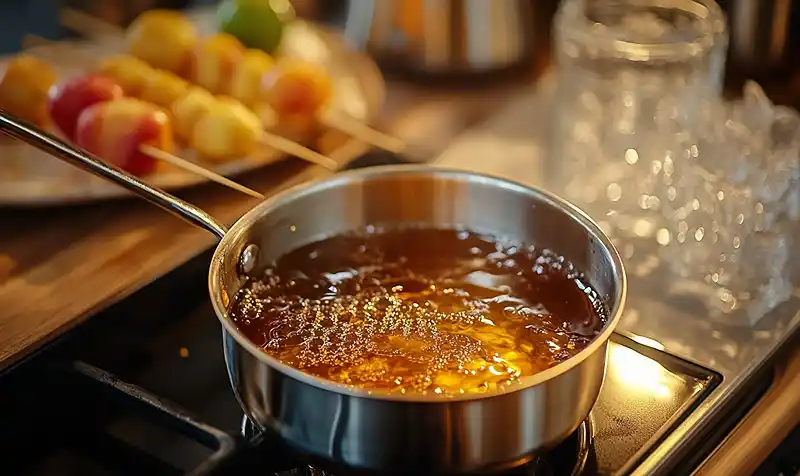
Bring it to a boil, then let it simmer until it thickens and turns a very light amber color. You’re aiming for around 300°F (hard crack stage), which takes about 10–20 minutes depending on your stove. Keep an eye on it — once it starts moving, it moves fast.
The kitchen is going to smell incredible at this point, by the way. Sweet and caramel-y and just a little dangerous.
Step 3: The Ice Water Test
No candy thermometer? No problem. Fill a small bowl with ice water and drizzle a tiny spoonful of syrup into it. If it hardens within a few seconds and snaps cleanly when you try to bend it — you’re ready. If it’s still flexible or chewy, keep cooking.
This is the same test your grandma probably used for jam and candy making, and it genuinely works. Don’t skip it, because under-cooked syrup means a sticky coating that won’t crack properly — and that’s the whole point of tanghulu!
Step 4: Dip the Fruit
Here’s where things get exciting (and a little stressful in a fun way). Working quickly, tilt your saucepan slightly and dip a fruit skewer into the syrup, swirling it to get a thin, even coat. You want one smooth layer — not a thick glob.
Immediately plunge the coated skewer into your ice water bath for just a few seconds. You’ll see the sugar harden almost instantly into that gorgeous, glossy shell. Pull it out, give it a second to set, and place it on a parchment-lined plate.
Work fast! The sugar syrup will continue cooking in the pot and can go from perfect to burnt in under a minute. If it starts darkening too much, pull the pot off the heat.
Step 5: Repeat and Enjoy
Dip the remaining skewers one at a time, moving quickly between each one. If your syrup gets too thick or starts to harden in the pot, you can gently reheat it on the lowest setting for 30 seconds to loosen it back up.
Once all your skewers are done — eat them! Tanghulu is best enjoyed immediately while the shell is still perfectly crisp. Gather everyone around, hand out skewers, and enjoy the collective crack moment together.
Expert Tips for Perfect Homemade Tanghulu
Dry Fruit Is Non-Negotiable
Seriously, if there’s one thing you take away from this article, let it be this: dry your fruit. Moisture and hot sugar are enemies. Pat with paper towels, then let the skewered fruit air dry for a few minutes if you have time. You’ll get a much cleaner, clearer candy shell.
Get the Temperature Right
Under 300°F and your coating stays soft and sticky. Over 320°F and the sugar starts to burn and taste bitter. The sweet spot (pun intended) is that hard crack stage, and the ice water test is your best friend for checking it without a thermometer.
Thin Coating Wins Every Time
Resist the urge to cake on thick layers of syrup. A thin, even coat gives you that satisfying crack. Multiple dips create a thick, chewy, uneven shell — and that’s not the vibe we’re going for with authentic tanghulu.
Fun Variations to Try
Strawberry Fruit Gummies Twist: Want something a little different? Try using gummy candy as the “fruit” — yes, really. Coat strawberry fruit gummies in the same syrup for an over-the-top sugar-on-sugar snack that somehow works.
Mixed Fruit Skewers: Alternate grapes and strawberries on the same skewer for a pop of color. Blueberries add a beautiful dark contrast and taste incredible candied.
Citrus Segments: Mandarin orange slices (membrane removed) are stunning when candied and have a sweet-tart thing going on that’s genuinely addictive.
Chocolate Drizzle: After the sugar shell sets, drizzle a little melted dark chocolate over the top. It’s extra, and it’s absolutely worth it.
Troubleshooting
My sugar coating is cloudy, not clear. This usually means either the fruit had moisture on it, or the syrup was stirred during cooking. Start fresh with dry fruit and hands-off syrup next time.
The coating is sticky, not crunchy. Your syrup didn’t reach hard crack stage. Let it cook longer next time and make sure it passes the ice water snap test.
My syrup crystallized in the pan. This happens when the sugar gets disturbed. Make sure you’re not stirring, and use a clean pot with no sugar residue from a previous batch.
The sugar burned. High heat is the culprit — medium to low and slow is the move. Once it starts bubbling, watch it constantly.
Storage
| Storage Method | Duration | Notes |
|---|---|---|
| Room temperature | Same day | Best eaten immediately |
| Refrigerator | 1–2 days | Shell may soften due to moisture |
| Freezer | Not recommended | Condensation ruins the coating |
Tanghulu really is a same-day situation — the sugar shell absorbs moisture from the fridge and loses its crunch fairly quickly. If you need to make it slightly ahead, store in a cool, dry spot and eat within a few hours.
No-waste kitchen idea: If you have leftover syrup in the pot that’s already hardened, add a cup of water and heat it back up — you’ve got a homemade simple syrup perfect for cocktails, lemonade, or drizzling over pancakes.
Nutritional Information (Per Skewer, ~3 Strawberries)
| Nutrient | Amount |
|---|---|
| Calories | ~80 kcal |
| Carbohydrates | 21g |
| Sugar | 20g |
| Fat | 0g |
| Protein | 0g |
| Fiber | 0.5g |
Values are estimates and will vary depending on fruit type and amount of syrup absorbed.
Tanghulu (Chinese Candied Fruit) FAQs
What fruit works best for tanghulu?
Strawberries and grapes are the classic choices because they’re firm, round-ish, and hold up well on skewers. Basically any firm fruit works — mandarin segments, blueberries, kiwi chunks, even cherry tomatoes (yes, that’s a thing in China!). Just avoid soft fruits like banana or peach slices, since they fall apart during dipping.
Why did my tanghulu come out sticky instead of crunchy?
The syrup didn’t reach hard crack stage (300°F). The sugar needs to get hot enough to form a glass-like solid when it cools — if it’s cooked too short, it stays pliable and tacky. Use the ice water test to make sure it hardens and snaps before you start dipping.
Can I make tanghulu without a candy thermometer?
Absolutely — the ice water test is totally reliable. Drop a small spoonful of syrup into cold water and try to snap the hardened bit. If it cracks cleanly, you’re good to go. If it bends, keep cooking.
Can I make tanghulu ahead of time?
Tanghulu is really best eaten fresh — within a couple of hours of making it. The sugar shell starts absorbing moisture from the fruit and the air, which makes it sticky and soft over time. If you’re making it for a party or event, prep your fruit skewers in advance and make the syrup right before serving.
How is tanghulu different from a candy apple?
Great question! Candy apples use a thick, opaque candy coating often made with corn syrup and food coloring. Tanghulu uses a simpler, purer sugar syrup that creates a thin, crystal-clear, super crispy shell. It’s lighter and crunchier — and honestly, it lets the fruit flavor shine through more.
Craving more simple, fun recipes? Check out this vibrant spring minestrone soup for something light and fresh, or cozy up with this dump and go crockpot teriyaki chicken when you need something hearty. And if you’re on a soup kick, this green borscht recipe is an absolute hidden gem.
Now It’s Your Turn!
Go make some tanghulu! Seriously, it’s one of those recipes that looks incredibly impressive but comes together in under half an hour — and the crack reaction from whoever you serve it to is 100% worth it. Whether you go classic strawberry, mix up your fruit, or get adventurous with some of those variations, I want to hear how it went.
Save this recipe to Pinterest so you can find it again, and drop a comment below with your favorite fruit combo — I’m always looking for new ideas!