Sugar Free Lemonade Recipe
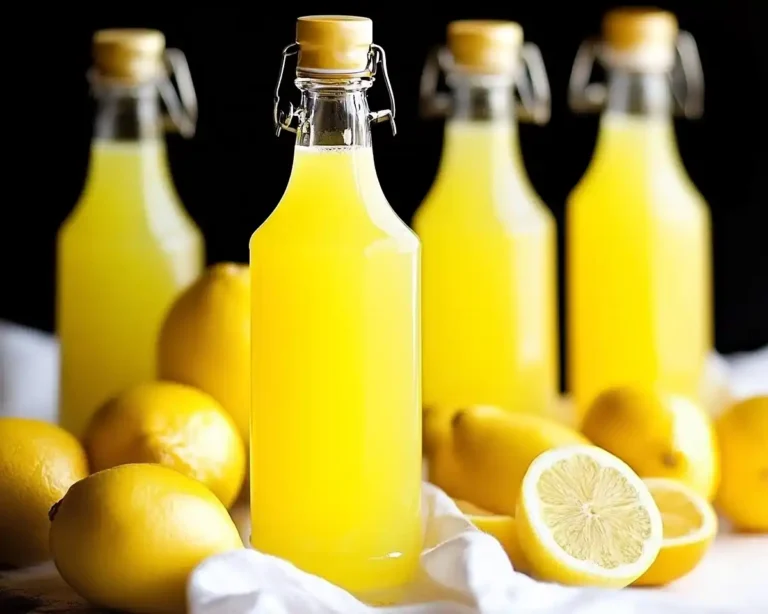
There’s something about a cold glass of Sugar Free Lemonade on a hot day that just feels like summer, but the sugar content in most store-bought versions can be a real buzzkill. That’s why I started making this sugar free lemonade at home, and honestly, I think it tastes even better than the traditional kind.
This healthy lemonade recipe uses just three simple ingredients and takes about 15 minutes from start to finish. No weird aftertaste, no complicated steps, just bright, refreshing lemonade that happens to be sugar-free.
Table of Contents
What Is Sugar Free Lemonade?
Sugar free lemonade is exactly what it sounds like: classic homemade lemonade made without traditional sugar. Instead of the usual white sugar that can spike your blood glucose, this version uses a granulated sweetener like erythritol to create that perfect sweet-tart balance we all crave in a glass of lemonade.
The key is making a simple syrup first, which helps the sweetener dissolve completely and blend smoothly into the drink. Trust me on this one—trying to stir granulated sweetener directly into cold lemonade is an exercise in frustration. You’ll end up with undissolved crystals at the bottom and an inconsistent sweetness throughout.
This homemade approach gives you complete control over the sweetness level, and you can adjust it to your personal taste. Some people like their lemonade bracingly tart, while others prefer it a bit sweeter. The beauty of making it yourself is that you get to decide.
Why You’ll Love This Healthy Lemonade Recipe
I’ve been making this sugar free lemonade for family gatherings and backyard barbecues all summer, and it’s become my go-to beverage recipe. Here’s why it’s such a winner:
It’s genuinely refreshing. The fresh lemon juice gives it a brightness that bottled lemon juice just can’t match. You get that real citrus punch that wakes up your taste buds.
No weird aftertaste. I’ve tried plenty of sugar-free drinks that leave a bitter or metallic taste lingering in your mouth. When you use a quality sweetener like erythritol and balance it properly with fresh lemon juice, you won’t have that problem.
It’s budget-friendly. Lemons are inexpensive, especially when they’re in season. You’re getting a whole pitcher of delicious lemonade for less than what you’d pay for a single fancy coffee drink.
Customizable sweetness. The recipe starts you at a moderately sweet level, but you can easily adjust it up or down. I like mine pretty tart, so I usually use less simple syrup than my husband does.
Perfect for various dietary needs. Whether you’re following a keto diet, managing diabetes, or just trying to reduce your sugar intake, this recipe works beautifully. It’s also naturally gluten-free and vegan-friendly depending on your sweetener choice.
It takes 15 minutes. That’s it. Fifteen minutes from deciding you want lemonade to pouring yourself a glass. No complicated techniques, no specialty equipment, just simple mixing and stirring.

Sugar Free Lemonade
Ingredients
Ingredients
- 1 Cup Water
- 1 Cup Granulated Erythritol or preferred granulated sweetener*
- 5-6 Lemons 1 Cup Juice
- 3-4 Cups Water
Instructions
- To make the simple syrup, boil 1 cup of water on the stove before adding in 1 cup of granulated sweetener to dissolve. Remove from heat and allow it to cool while you juice your lemons.
- Wash and slice your lemons in half before juicing the halves into a liquid measuring cup. You want 1 cup of lemon juice.
- Add the lemon juice to a large pitcher, before adding 3 cups of fresh water to the juice. Add an extra 4th cup if you want the lemonade more diluted.
- Now add the sugar-free simple syrup you made. Start with 3/4 cup and add more if needed after taste testing.
- Serve chilled with ice and extra lemon slices if desired.
Ingredients for Sugar Free Lemonade
One of my favorite things about this healthy lemonade recipe is how short the ingredient list is. You probably already have everything you need, or you’re just one quick grocery store trip away from lemonade happiness.

| Ingredient | Quantity | Notes |
|---|---|---|
| Water (for simple syrup) | 1 cup | For dissolving the sweetener |
| Granulated Erythritol | 1 cup | Or your preferred granulated sweetener |
| Fresh Lemons | 5-6 lemons | Should yield 1 cup of juice |
| Cold Water | 3-4 cups | For diluting the lemonade |
About the sweetener: I use erythritol because it has zero calories, doesn’t affect blood sugar, and has a clean taste without bitterness. It measures cup-for-cup like sugar, which makes it easy to work with. You can also use monk fruit sweetener, allulose, or a stevia-erythritol blend. Just check the sweetness equivalency on your package, as some sweeteners are much sweeter than sugar and need less.
Fresh vs. bottled lemon juice: Please, please use fresh lemons if you possibly can. The difference in flavor is remarkable. Fresh lemon juice has a bright, vibrant quality that bottled juice just doesn’t capture. That said, if you absolutely need to use bottled in a pinch, it’ll still work—just know that the flavor won’t be quite as spectacular.
Water quality matters: Since water is the main ingredient by volume, filtered water really does make a difference. If your tap water has a strong chlorine taste or other off-flavors, those will come through in your finished lemonade.
Step-by-Step Instructions for Making Sugar Free Lemonade
Making homemade sugar free lemonade is honestly easier than running to the store, and the results are so much better. Let me walk you through each step so you can see just how simple it really is.

- Make the sugar-free simple syrup. Bring 1 cup of water to a boil in a small saucepan on the stove. Once it’s boiling, remove it from the heat and add 1 cup of granulated erythritol (or your preferred sweetener). Stir until the sweetener is completely dissolved—this should only take about 30 seconds of stirring. Set it aside to cool while you move on to juicing. The cooling step is important because adding hot syrup directly to your lemonade will make it warm and less refreshing.
- Prepare your lemons. Wash your lemons thoroughly under running water, scrubbing the skins to remove any waxy coating or residue. This is especially important if you plan to add lemon slices to your finished lemonade for garnish. Roll each lemon firmly on the counter with your palm before cutting—this breaks down some of the internal membranes and helps you get more juice out.
- Juice the lemons. Slice each lemon in half crosswise (through the equator, not from stem to bottom). Using a handheld juicer, citrus reamer, or even just your hand and a fork, squeeze the juice into a liquid measuring cup. Keep going until you have 1 full cup of fresh lemon juice. I usually need about 5 to 6 medium lemons to reach this amount, but it can vary depending on how juicy your lemons are and how hard you squeeze. Strain out any seeds or large pulp pieces if you prefer a smoother lemonade.
- Build your lemonade base. Pour the 1 cup of fresh lemon juice into a large pitcher. Add 3 cups of cold water to the lemon juice and give it a good stir. At this point, you can taste it—it’ll be extremely tart and obviously needs sweetening, but you’ll get a sense of the lemon flavor intensity. If it seems too strong, go ahead and add that 4th cup of water now. I usually do add it because I like my lemonade refreshing rather than pucker-inducing.
- Sweeten to taste. By now your simple syrup should be cooled down to at least room temperature. Start by adding 3/4 cup of the syrup to your lemonade and stir well. Give it a taste. This is where you get to customize! If you like it sweeter, add more syrup a tablespoon or two at a time until it hits your sweet spot. I personally like to keep it on the tart side, so 3/4 cup is usually perfect for me, but my kids like it sweeter and prefer the full cup.
- Chill and serve. Refrigerate your lemonade for at least 30 minutes if you have the time, or serve immediately over plenty of ice. I like to garnish each glass with a fresh lemon slice—it looks pretty and adds a little extra citrus aroma as you drink. Sometimes I’ll throw in a few fresh mint leaves too, which adds a lovely herbal note.

Expert Tips for Perfect Sugar Free Lemonade
After making countless pitchers of this healthy lemonade recipe, I’ve picked up a few tricks that make the process smoother and the results even better.
Room temperature lemons juice better. If your lemons have been sitting in the fridge, let them come to room temperature for 20 minutes before juicing, or give them a 10-second blast in the microwave. Warm lemons yield significantly more juice than cold ones.
Don’t skip the simple syrup step. I know it seems like an extra step, but it really does matter. Granulated sweeteners don’t dissolve well in cold liquids. Without making the syrup first, you’ll have grainy sediment at the bottom of your pitcher no matter how much you stir.
Taste as you go. Lemons vary in acidity and sweetness depending on the variety and ripeness. Your personal taste preferences matter too. Always taste after adding 3/4 cup of simple syrup and adjust from there rather than dumping in the full amount and potentially oversweetening.
Make it ahead. This sugar free lemonade actually tastes better after sitting in the fridge for a few hours. The flavors meld together and the whole thing becomes more cohesive. I often make a pitcher the night before a gathering.
Save leftover simple syrup. If you don’t use all of the simple syrup, store it in a sealed container in the refrigerator for up to 2 weeks. It’s perfect for sweetening iced tea, coffee, or making another batch of lemonade later.
Watch for crystallization with erythritol. If your lemonade sits for several days, you might notice some crystallization at the bottom of the pitcher. This is normal with erythritol—it can recrystallize when cold. Just give it a good stir before serving.
Delicious Variations to Try
Once you’ve mastered the basic sugar free lemonade recipe, you can have fun experimenting with different flavors and additions. Here are some of my favorite variations:
Sugar Free Strawberry Lemonade: Blend 1 cup of fresh or frozen strawberries with a splash of water until smooth, then strain out the seeds and stir the strawberry puree into your finished lemonade. The color is gorgeous and the flavor is amazing.
Sparkling Sugar Free Lemonade: Replace half or all of the plain water with sparkling water or club soda for a fizzy version. Add the sparkling water last, after everything else is mixed, to preserve the carbonation.
Lavender Lemonade: Add 1 tablespoon of dried culinary lavender to your water when making the simple syrup. Let it steep for 5 minutes, then strain it out before adding the sweetener. The floral notes are subtle and sophisticated.
Mint Lemonade: Muddle a handful of fresh mint leaves in the bottom of your pitcher before adding the lemon juice and water. Or add mint to the simple syrup for a more infused flavor throughout.
Ginger Lemonade: Add a few slices of fresh ginger to your simple syrup while it cools. The spicy kick from the ginger pairs beautifully with the tart lemon and adds a warming element.
Arnold Palmer (Sugar Free): Mix equal parts of this sugar free lemonade with unsweetened iced tea for a refreshing half-and-half drink. It’s perfect for golf outings or lazy afternoons on the porch.
I’ve even incorporated citrus flavors into other recipes I make, like my jasmine sugar cookies with a hint of lemon zest. The brightness works in both sweet drinks and baked goods.
Troubleshooting Common Issues
Even with a simple recipe like this, sometimes things don’t go quite as planned. Here’s how to fix the most common problems:
The lemonade is too tart. Add more simple syrup, a tablespoon at a time, until it reaches your preferred sweetness level. If you’ve run out of simple syrup, you can make a quick small batch or add another cup of water to dilute the tartness.
The lemonade is too sweet. Add more fresh lemon juice or more water. I usually add water first since lemon juice can get expensive if you’re adding a significant amount. Start with 1/2 cup of water and taste before adding more.
The sweetener won’t dissolve. This happens when you try to add granulated sweetener directly to cold liquid. You’ll need to make the simple syrup with hot water. There’s really no shortcut here that works as well.
There’s a bitter aftertaste. This can happen if you’ve squeezed the lemons too aggressively and extracted juice from the white pith, which is bitter. It can also happen with certain sweeteners—if this is the case, try a different brand or type of sweetener next time. Monk fruit and allulose tend to have cleaner flavors than some stevia blends.
The lemonade looks cloudy. Cloudiness is actually normal for fresh lemonade! It comes from the natural oils and tiny particles in fresh lemon juice. If you prefer crystal-clear lemonade, strain your lemon juice through a fine-mesh sieve or cheesecloth, but honestly, I think the cloudiness is part of the homemade charm.
White crystals formed at the bottom. This is erythritol recrystallizing in cold liquid. It’s harmless but can be annoying. Give the pitcher a good stir before serving, and know that this is less likely to happen if you use the lemonade within 2-3 days.
Storage and Make-Ahead Tips
One of the best things about this healthy lemonade recipe is that it stores beautifully, making it perfect for meal prep or entertaining. Here’s everything you need to know about keeping your sugar free lemonade fresh and delicious.
| Storage Method | Duration | Best Practices |
|---|---|---|
| Refrigerator (mixed) | 5-7 days | Store in a sealed pitcher or container |
| Simple syrup (separate) | 2 weeks | Keep in a sealed jar in the fridge |
| Lemon juice (separate) | 3-4 days | Store in an airtight container |
| Freezer (ice cubes) | 3 months | Freeze in ice cube trays for later use |
Refrigerator storage: Keep your finished lemonade in a sealed pitcher or container in the refrigerator. It’ll stay fresh for about 5 to 7 days. Give it a good stir before serving, especially if you used erythritol, as it may settle or crystallize slightly.
Make-ahead strategy: I often make the simple syrup and juice the lemons the night before I need the lemonade, then store them separately in the fridge. In the morning, it takes literally 2 minutes to mix everything together. This is especially helpful when you’re prepping for a party or gathering.
Freezing for later: Fresh lemon juice freezes beautifully. Pour it into ice cube trays, freeze until solid, then pop the cubes out into a freezer bag. Each cube is roughly 2 tablespoons, so you can easily measure out what you need. You can also freeze leftover lemonade itself into cubes and use them in sparkling water for a fizzy lemonade drink.
Signs it’s gone bad: According to food safety guidelines from the USDA, fresh lemon juice can harbor bacteria if left out too long. Discard your lemonade if it develops an off smell, visible mold, or if it’s been left at room temperature for more than 2 hours. When in doubt, throw it out.
The simple syrup can be made in larger batches and stored separately, which is what I do during summer. Having it ready to go means I can whip up lemonade, sweetened iced tea, or even use it to sweeten my morning coffee without any extra effort.
What to Serve with Sugar Free Lemonade
This refreshing drink pairs beautifully with so many foods, making it versatile for any occasion. Here are some of my favorite pairings:
For summer barbecues, serve it alongside grilled chicken, burgers, or hot dogs. The tartness cuts through rich, smoky flavors perfectly. It’s also wonderful with lighter fare like salads, sandwiches, and wraps for lunch.
If you’re hosting a brunch, this healthy lemonade recipe is a fantastic alcohol-free option that feels special. It pairs nicely with quiches, fruit salads, and pastries. Speaking of pastries, it’s also lovely with lighter desserts—check out my meringue cookies recipe or the adorable meringue ducks for a delightful low-sugar dessert spread.
For kids’ parties or family gatherings, set up a self-serve lemonade station with this sugar free version alongside regular lemonade. Add garnishes like fresh mint, lemon slices, lime slices, and fresh berries so everyone can customize their drink.
Sugar Free Lemonade FAQs
What is sugar free lemonade sweetened with?
Sugar free lemonade is typically sweetened with artificial sweeteners like aspartame, sucralose, or stevia, or with sugar alcohols such as erythritol or xylitol. These sweeteners provide sweetness without the calories and carbohydrates found in regular sugar, making it a popular choice for people managing their sugar intake or following low-carb diets.
Is sugar free lemonade good for diabetics?
Sugar free lemonade can be a suitable option for diabetics as it does not contain regular sugar and typically has minimal impact on blood glucose levels. However, diabetics should check the nutrition label for total carbohydrates and consult with their healthcare provider, as some sugar substitutes may still affect blood sugar slightly. It’s also important to consume it in moderation as part of a balanced diet.
Does sugar free lemonade have fewer calories than regular lemonade?
Yes, sugar free lemonade has significantly fewer calories than regular lemonade. While traditional lemonade can contain 100-150 calories or more per serving due to added sugar, sugar free versions typically have 0-10 calories per serving. This makes it an attractive option for those watching their calorie intake or trying to lose weight.
Can sugar free lemonade cause digestive issues?
Some people may experience digestive issues from sugar free lemonade, depending on the sweetener used. Sugar alcohols like sorbitol and xylitol can cause bloating, gas, or diarrhea when consumed in large amounts. Artificial sweeteners generally cause fewer digestive problems, though individual sensitivity varies. If you experience discomfort, try limiting your intake or switching to a brand with a different sweetener.
How do you make sugar free lemonade at home?
To make sugar free lemonade at home, mix fresh lemon juice with water and add your preferred sugar substitute to taste. A basic recipe uses about 1 cup of fresh lemon juice, 4-6 cups of cold water, and sweetener equivalent to half to three-quarters cup of sugar, adjusted to your preference. Stir well until the sweetener dissolves, add ice, and refrigerate. You can also add fresh mint or berries for extra flavor.
Final Thoughts on This Healthy Lemonade Recipe
Making sugar free lemonade at home is one of those simple pleasures that never gets old. There’s something deeply satisfying about squeezing fresh lemons, mixing up a pitcher, and pouring yourself a cold glass on a hot day—all while knowing you’re making a healthier choice that doesn’t sacrifice flavor.
This recipe has become a staple in my kitchen throughout the warmer months, and I hope it becomes one in yours too. The beauty of homemade lemonade is that you can adjust it exactly to your taste preferences, experiment with fun variations, and feel good about serving it to your family.
If you try this sugar free lemonade recipe, I’d love to hear how it turns out for you! Feel free to browse through my collection of recipes for more healthy, homemade ideas that make everyday cooking a little more enjoyable. Whether you’re looking for sugar-free beverages, lighter desserts, or just want to cook more meals from scratch, there’s plenty of inspiration to explore.
Now grab those lemons and get squeezing—a pitcher of refreshing, guilt-free lemonade is just 15 minutes away!