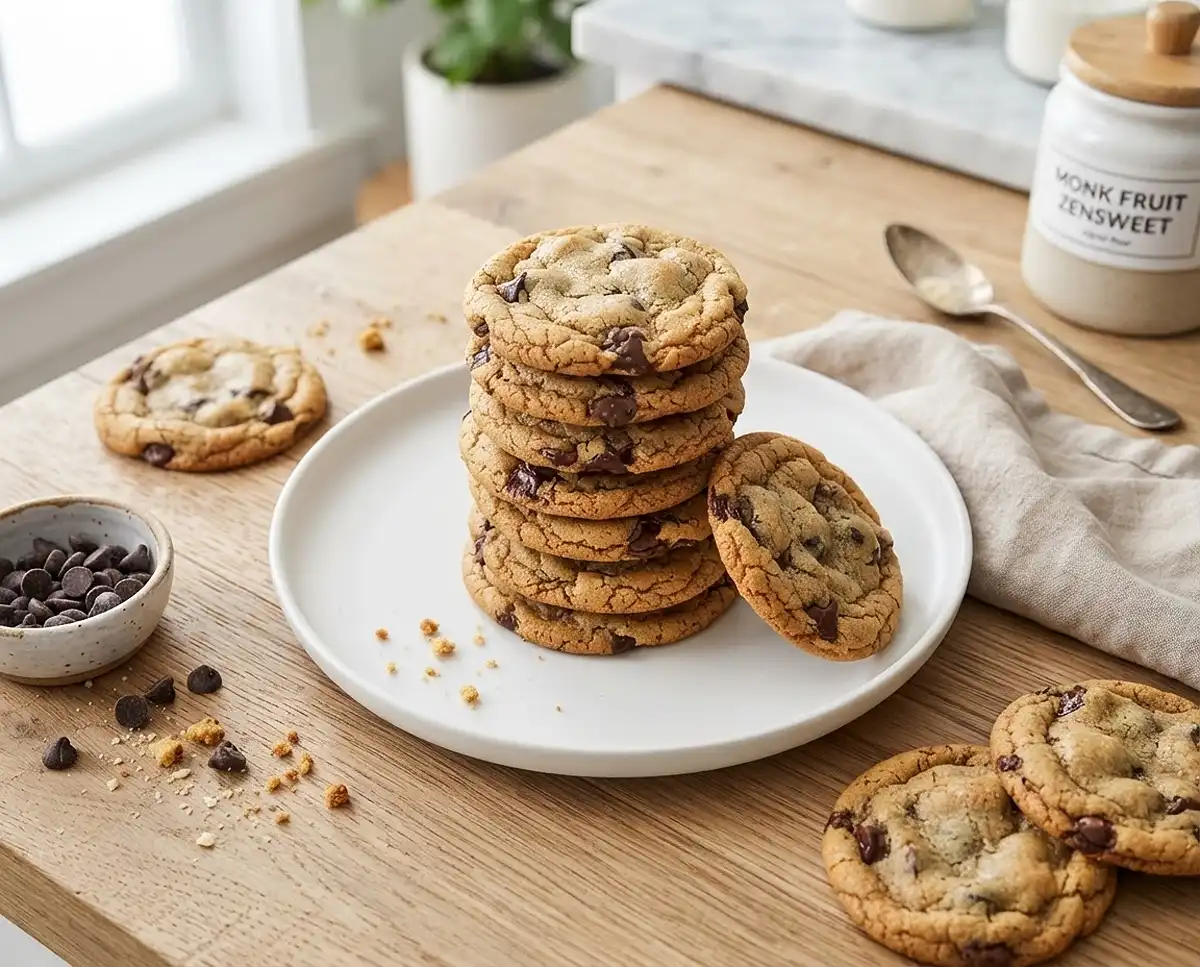
Monk Fruit Chocolate Chip Cookies (Sugar-Free!)
These soft, chewy monk fruit chocolate chip cookies are the perfect guilt-free treat that tastes just like the classic—but without all the sugar.
I’ll be honest: I was skeptical the first time I tried baking with monk fruit sweetener. Could a sugar-free cookie really deliver that warm, melty, just-baked magic? Turns out, yes. These cookies have become my go-to when I want something sweet without the sugar crash.
The best part? They’re ridiculously simple to make, and nobody will guess they’re made with alternative sweeteners. My kids devour them, my friends ask for the recipe, and I get to enjoy a couple with my afternoon coffee without any guilt.
Table of Contents
Why You’ll Love These Monk Fruit Chocolate Chip Cookies
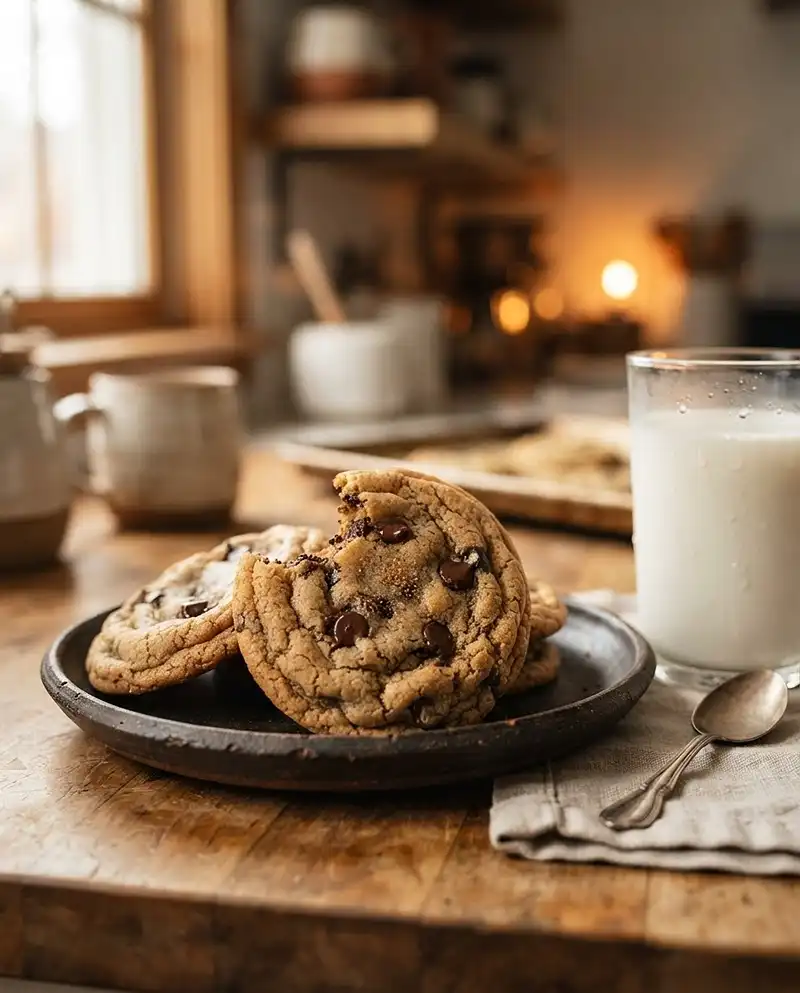
These cookies check every box. They’re soft in the middle with slightly crispy edges, loaded with chocolate chips, and they actually taste like real cookies—not like cardboard pretending to be a dessert.
You don’t need any fancy equipment or complicated techniques. Just one bowl, your hands, and about 25 minutes from start to finish. The almond flour gives them an incredibly tender texture, while the monk fruit sweetener keeps them perfectly sweet without any weird aftertaste.
They’re naturally gluten-free and low in carbs, which means you can enjoy them even if you’re watching your sugar intake or following a keto-friendly lifestyle. And because they use real butter and a whole egg, they have that rich, satisfying flavor that makes cookies so irresistible.
Plus, they store beautifully for days, though in my house they rarely last that long.
What Is Monk Fruit Sweetener?
If you’re new to monk fruit sweetener, let me give you the quick rundown. It comes from monk fruit, a small melon native to Southeast Asia, and it’s been used for centuries as a natural sweetener. The extract is about 200 times sweeter than regular sugar, but it contains zero calories and doesn’t spike your blood sugar.
Most monk fruit sweeteners you’ll find at the store are blended with erythritol or other natural ingredients to make them measure cup-for-cup like sugar. That’s what makes baking with it so easy—you don’t need to do complicated conversions or math.
I recommend ZenSweet for this recipe because it measures exactly like sugar and doesn’t leave any cooling aftertaste. Other brands work too, but results may vary slightly depending on what fillers they use.
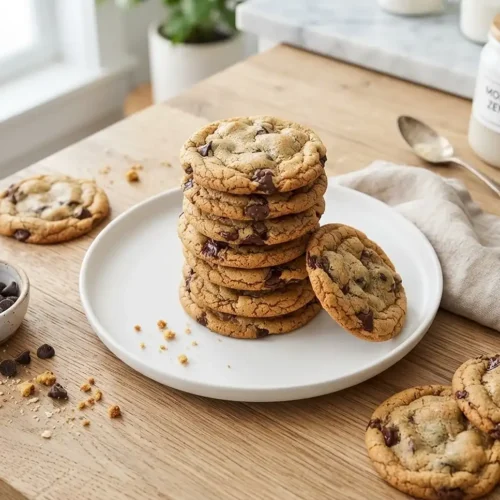
Monk Fruit Chocolate Chip Cookies
Ingredients
Ingredients
- 2 cups blanched almond flour (see article for brand recommendations)
- ⅓ cup ZenSweet Monk Fruit Sweetener
- pinch Kosher salt
- ½ tsp baking soda
- ½ cup butter softened but not melted (equivalent to 1 stick)
- 1 large egg
- 1 Tbsp vanilla extract
- 1 cup chocolate chips or sugar-free chocolate chips (see full article for recommendations)
Instructions
- Preheat oven to 350º F. Line a baking sheet with parchment paper.
- Blend almond flour, monk fruit sweetener, salt and baking soda in a large bowl.
- Add a softened stick of butter to dry ingredients and use your hands to mix it all together (I recommend using gloves) until well combined.
- Add egg and vanilla to mixture and continue to blend by hand. The mixture will be wet. Add chocolate chips and mix well.
- Roll 1″ dough balls and place them on your baking sheet. Do not flatten the balls as they will bake up soft in the middle if you leave them in the rounded shape. You’ll have enough dough to make about 14-16 cookies. You can slightly wet your hands to help you roll the balls without the dough sticking to your hands.
- Bake for about 12-13 minutes until top of cookies start to brown. Remove from oven and let sit for 5-10 minutes before transferring them from the baking sheet to a wire rack to finish cooling.
- Store cookies in an airtight bag or container for 3-4 days.
Ingredients for Monk Fruit Chocolate Chip Cookies
This recipe keeps things beautifully simple with ingredients you can find at most grocery stores or easily order online. The almond flour is your base—it creates that soft, tender texture that makes these cookies so addictive. I always use blanched almond flour because the finer texture gives you a smoother cookie without any grittiness.
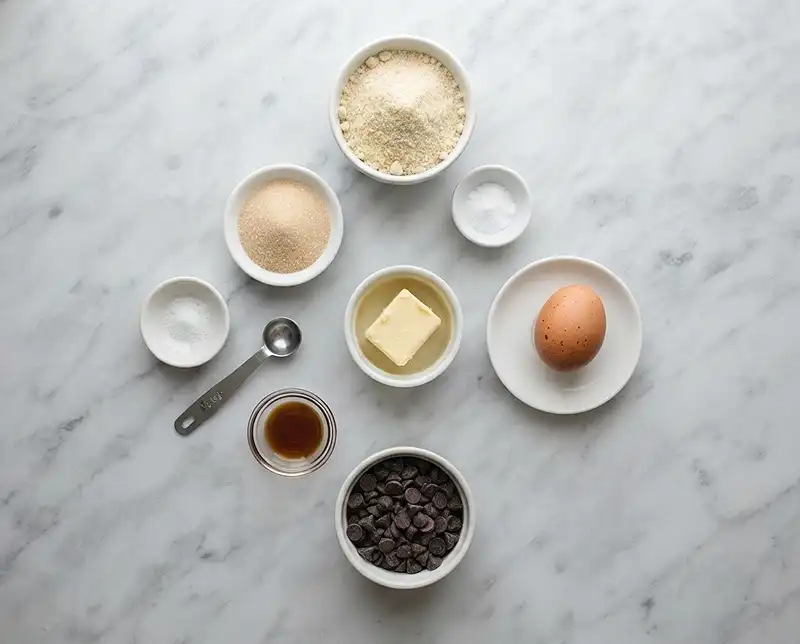
| Ingredient | Amount | Notes |
|---|---|---|
| Blanched almond flour | 2 cups | Use finely ground, blanched almond flour for best texture |
| ZenSweet Monk Fruit Sweetener | 1/3 cup | Or your preferred monk fruit sweetener that measures like sugar |
| Kosher salt | Pinch | Enhances sweetness and balances flavors |
| Baking soda | 1/2 tsp | Helps cookies rise and spread slightly |
| Butter | 1/2 cup (1 stick) | Softened but not melted—important for texture |
| Large egg | 1 | Room temperature works best |
| Vanilla extract | 1 Tbsp | Use pure vanilla for best flavor |
| Chocolate chips | 1 cup | Regular or sugar-free—your choice |
Ingredient Notes and Substitutions
Let’s talk about what you can swap and what you really shouldn’t mess with. The almond flour is pretty non-negotiable here—regular all-purpose flour won’t work because this recipe is designed specifically for the texture and moisture content of almond flour. If you try to substitute coconut flour, you’ll need to adjust the entire recipe since coconut flour absorbs liquid completely differently.
For the monk fruit sweetener, stick with a brand that measures cup-for-cup like sugar. If you use pure monk fruit extract, you’ll need to adjust the amounts significantly, and I can’t guarantee the texture will turn out right.
The butter really should be butter. I know some folks like to use coconut oil, but it changes the texture and makes the cookies spread more. If you absolutely must substitute, use refined coconut oil (so it doesn’t taste like coconut) and chill the dough for 30 minutes before baking.
For chocolate chips, this is your chance to customize. I usually go with regular semi-sweet chocolate chips because I like the contrast between the sugar-free cookie and the sweet chocolate. But if you’re keeping everything completely sugar-free, Lily’s makes excellent sugar-free chocolate chips that work beautifully here.
Step-by-Step Instructions for Perfect Cookies
Making these monk fruit chocolate chip cookies is almost too easy. The whole thing comes together in one bowl, and you don’t even need a mixer. Just your hands and a little patience while they bake.

- Preheat and prep: Set your oven to 350°F and line a baking sheet with parchment paper. Don’t skip the parchment—it prevents sticking and makes cleanup a breeze. If you try to use just a greased pan, the bottoms might get too brown.
- Mix the dry ingredients: In a large bowl, combine the almond flour, monk fruit sweetener, salt, and baking soda. Give it a good whisk or stir to make sure everything is evenly distributed. You don’t want pockets of baking soda or sweetener that didn’t get mixed in.
- Work in the butter: Add your softened stick of butter to the dry ingredients. This is where things get a little hands-on—literally. Use your hands to mix the butter into the dry ingredients until everything is well combined and crumbly. I honestly recommend wearing disposable gloves for this part because the mixture can get a bit messy. You’ll know it’s ready when there are no large chunks of butter left and it looks like wet sand.
- Add the wet ingredients: Crack in your egg and add the vanilla extract. Keep mixing by hand, working the egg and vanilla through the dough. The mixture will transform from crumbly to sticky and wet—that’s exactly what you want. Don’t panic if it seems too wet; almond flour dough is naturally more moist than traditional cookie dough.
- Fold in the chocolate chips: Add your chocolate chips and mix them through evenly. Try not to eat too many at this stage, though I won’t judge if you do.
- Shape the cookies: Roll the dough into 1-inch balls and place them on your prepared baking sheet, leaving about 2 inches between each cookie. Here’s the trick: don’t flatten them. Leave them as round balls. This helps them stay soft and tender in the middle while the edges get slightly crispy. If the dough is sticking to your hands, slightly dampen your palms with water—just a tiny bit. You should get about 14-16 cookies from this batch.
- Bake to perfection: Slide the baking sheet into your preheated oven and bake for 12-13 minutes. You’re looking for the tops to just start turning golden brown. They’ll look slightly underdone in the center, and that’s perfect—they’ll continue cooking as they cool. If you bake them until they look completely done, they’ll end up too crispy.
- Cool properly: This step requires patience, but it’s important. Let the cookies sit on the baking sheet for 5-10 minutes without touching them. They’re still setting during this time. If you try to move them too soon, they might fall apart. After they’ve firmed up a bit, transfer them to a wire rack to finish cooling completely.
Expert Tips for the Best Results
After making these cookies dozens of times, I’ve learned a few tricks that make all the difference. First, make sure your butter is truly softened but not melted. It should leave an indentation when you press it, but it shouldn’t be shiny or greasy. If it’s too soft, pop it in the fridge for a few minutes.
The brand of almond flour matters more than you’d think. I’ve had the best results with Bob’s Red Mill or Costco’s Kirkland brand. Some almond flours are coarser or have more moisture, which can throw off the texture. Always use blanched almond flour, not almond meal—almond meal includes the skins and gives you a grittier texture.
Don’t overbake these cookies. They should look slightly underdone when you take them out. The edges will be set and maybe just starting to brown, but the centers will still look soft. Trust the process—they’ll firm up as they cool.
If you want extra-thick cookies, try chilling the dough balls for 15-20 minutes before baking. Cold dough spreads less in the oven, giving you taller, puffier cookies.
One more thing: if your first batch spreads too much, your butter was probably too warm. Let your dough cool down a bit before baking the next batch, and consider refrigerating it briefly.
Delicious Variations to Try
Once you’ve mastered the basic recipe, there’s so much room to play around. I love adding a teaspoon of espresso powder to the dry ingredients—it deepens the chocolate flavor without making the cookies taste like coffee. If you love that combination, you might also enjoy my espresso chocolate chip cookies.
For a nutty twist, stir in half a cup of chopped pecans or walnuts along with the chocolate chips. The crunch is absolutely divine.
You could also swap half the chocolate chips for sugar-free white chocolate chips for a fun two-toned look. Or go full chocolate lover mode and use dark chocolate chunks instead of chips—the irregular pieces create amazing melty pockets.
A quarter teaspoon of cinnamon in the dough gives these cookies a warm, almost snickerdoodle-like quality. If you love cinnamon-sugar vibes, check out my cinnamon roll cookies for another sweet treat.
Want to make them more decadent? Press a few extra chocolate chips on top of each dough ball before baking. They’ll melt beautifully and make the cookies look bakery-worthy.
Troubleshooting Common Issues
Even simple recipes can have their quirks. If your cookies spread too much and came out flat, your butter was likely too warm or even melted. Make sure it’s just softened—you should still be able to see the stick shape. Next time, chill your dough for 15 minutes before baking.
If your cookies turned out dry or crumbly, you might have used too much almond flour. Almond flour can settle and compact in the bag, so always fluff it up and spoon it into your measuring cup rather than scooping directly. Better yet, weigh it if you have a kitchen scale.
Cookies too sweet or with a weird aftertaste? This usually comes down to the monk fruit sweetener brand. Some have cooling effects from erythritol. Try a different brand or reduce the amount slightly—you can go as low as 1/4 cup and still get a pleasantly sweet cookie.
If your cookies didn’t hold together and fell apart, your egg might have been too small, or you didn’t mix the dough thoroughly enough. Make sure you really work that butter into the dry ingredients before adding the egg.
Burnt bottoms? Your oven might run hot, or your baking sheet might be too dark. Try using a light-colored sheet pan, or place your baking sheet on top of another sheet for insulation. You can also move your oven rack up one level.
Storage Tips to Keep Them Fresh
These cookies stay wonderfully soft and chewy for several days if you store them properly. The key is keeping them in an airtight container so they don’t dry out. I use a gallon-sized zip-top bag or a plastic container with a tight-fitting lid.
| Storage Method | Duration | Notes |
|---|---|---|
| Room temperature (airtight container) | 3-4 days | Best texture and flavor |
| Refrigerator (airtight container) | Up to 1 week | May firm up slightly; let come to room temp before eating |
| Freezer (freezer bag or container) | Up to 3 months | Flash freeze on a tray first, then transfer to bag |
| Cookie dough (frozen, portioned) | Up to 3 months | Bake from frozen, add 1-2 minutes to bake time |
At room temperature, these monk fruit chocolate chip cookies stay perfect for 3-4 days. Just make sure they’re completely cool before you seal them up, or condensation will make them soggy.
If you want to keep them longer, the refrigerator works well—they’ll last up to a week. They might firm up a bit in the cold, but they’ll soften again if you let them sit out for 15-20 minutes before eating. Or do what I do and warm one in the microwave for about 10 seconds. Game changer.
For longer storage, freeze them. Let the cookies cool completely, then arrange them in a single layer on a baking sheet and freeze for about an hour. Once they’re solid, transfer them to a freezer bag or container. This prevents them from sticking together. They’ll keep beautifully for up to three months. Thaw at room temperature or warm them gently in the oven.
Here’s a pro tip: freeze the dough instead of the baked cookies. Roll the dough into balls, freeze them on a tray, then store them in a freezer bag. When you want fresh cookies, just bake them straight from frozen—add an extra minute or two to the baking time. You’ll have warm, fresh cookies anytime without mixing up a whole batch.
Serving Suggestions
These cookies are pretty perfect on their own, but they’re even better with a cold glass of unsweetened almond milk or your favorite coffee. The slight nuttiness from the almond flour pairs beautifully with a latte or cappuccino.
For a fun dessert, make ice cream sandwiches using sugar-free vanilla ice cream between two cookies. Press them together gently and roll the edges in mini chocolate chips or chopped nuts. Wrap them individually in plastic wrap and freeze for the ultimate treat.
Crumble a couple of cookies over Greek yogurt for breakfast or a snack. Add some fresh berries and you’ve got something that feels indulgent but is actually pretty balanced. Speaking of chocolate and fruit combos, my double chocolate strawberry banana bread is another winner.
They’re also wonderful packed in lunchboxes or taken on road trips. They hold up well and don’t crumble into a million pieces like some delicate cookies.
Why This Recipe Works
The magic of these cookies comes down to the careful balance of ingredients. Almond flour is naturally moist and tender, which gives you that soft, chewy texture without needing a ton of fat or sugar. The relatively small amount of monk fruit sweetener—just 1/3 cup for the whole batch—is enough to make them taste sweet without overwhelming the other flavors.
Using your hands to mix the dough instead of a mixer is actually important. It prevents overmixing, which can make almond flour cookies tough. Plus, the warmth of your hands helps blend the softened butter evenly through the flour.
Leaving the dough balls round instead of flattening them is a trick I learned after several batches came out too crispy. The round shape means the outside bakes and sets while the inside stays soft and almost gooey. It’s the texture difference that makes these so addictive.
The cooling time on the baking sheet isn’t just a suggestion—it’s essential. Almond flour cookies are more delicate when hot, and moving them too soon can cause them to break apart. Those 5-10 minutes let them firm up just enough to handle.
Monk Fruit Chocolate Chip Cookies FAQs
What are monk fruit chocolate chip cookies?
Monk fruit chocolate chip cookies are a healthier version of traditional chocolate chip cookies that use monk fruit sweetener instead of regular sugar. Monk fruit is a natural, zero-calorie sweetener derived from a small melon native to Southeast Asia. These cookies provide the sweet taste you love without the added sugar and calories of conventional cookies.
Are monk fruit chocolate chip cookies suitable for diabetics?
Yes, monk fruit chocolate chip cookies are generally suitable for diabetics. Monk fruit sweetener does not raise blood sugar levels because it has zero glycemic index. However, diabetics should still check other ingredients in the cookies, such as flour type and chocolate chips used, and consult with their healthcare provider about incorporating them into their meal plan.
Do monk fruit chocolate chip cookies taste different from regular cookies?
Monk fruit chocolate chip cookies taste very similar to traditional cookies, though some people detect a slight difference in sweetness. Monk fruit sweetener is actually 150 to 200 times sweeter than sugar, so it provides intense sweetness. Most people find the taste pleasant and satisfying, with no bitter aftertaste that some other sugar substitutes can have.
How many calories do monk fruit chocolate chip cookies have?
Monk fruit chocolate chip cookies typically have fewer calories than regular chocolate chip cookies, usually ranging from 80 to 120 calories per cookie depending on size and ingredients used. The calorie reduction comes primarily from replacing sugar with zero-calorie monk fruit sweetener. The exact calorie count will vary based on the recipe and other ingredients like butter, flour, and chocolate chips.
Can I bake monk fruit chocolate chip cookies the same way as regular cookies?
Baking with monk fruit sweetener requires some adjustments compared to regular sugar. Monk fruit sweetener does not caramelize or create the same texture as sugar, so you may need to add bulk with ingredients like allulose or erythritol. Baking temperature and time usually remain similar, but the cookies may not brown as much. It is best to follow recipes specifically designed for monk fruit sweetener for best results.
More Chocolate Recipes You’ll Love
If you’re a chocolate fan like me, you’ll want to bookmark a few more recipes. My German chocolate cake from scratch is an absolute showstopper for special occasions, with that incredible coconut pecan frosting.
These monk fruit chocolate chip cookies are also amazing crumbled over ice cream or used as a base for other desserts. Get creative with them—they’re sturdy enough to hold up to whatever you dream up.
Final Thoughts
These monk fruit chocolate chip cookies have earned a permanent spot in my recipe rotation. They’re proof that you don’t have to choose between eating well and enjoying something sweet. With simple ingredients, one-bowl preparation, and absolutely delicious results, they’re the kind of recipe you’ll make over and over again.
The best part? They’re versatile enough to suit whatever dietary preferences you’re following, whether that’s low-carb, gluten-free, or just wanting to cut back on refined sugar. And they taste so good that nobody will feel like they’re eating a “healthy” cookie—they’ll just think they’re eating a really, really good cookie.
So grab your almond flour and monk fruit sweetener, and give these a try. I bet they’ll become a staple in your kitchen too. And when you make them, I’d love to hear how they turned out! Did you try any of the variations? Did your family gobble them up as fast as mine does? Drop a comment and let me know—I always love hearing about your baking adventures.
Happy baking, friend. May your cookies be forever soft, your chocolate chips plentiful, and your kitchen smell amazing.