Easy Eggless Vanilla Cake Recipe
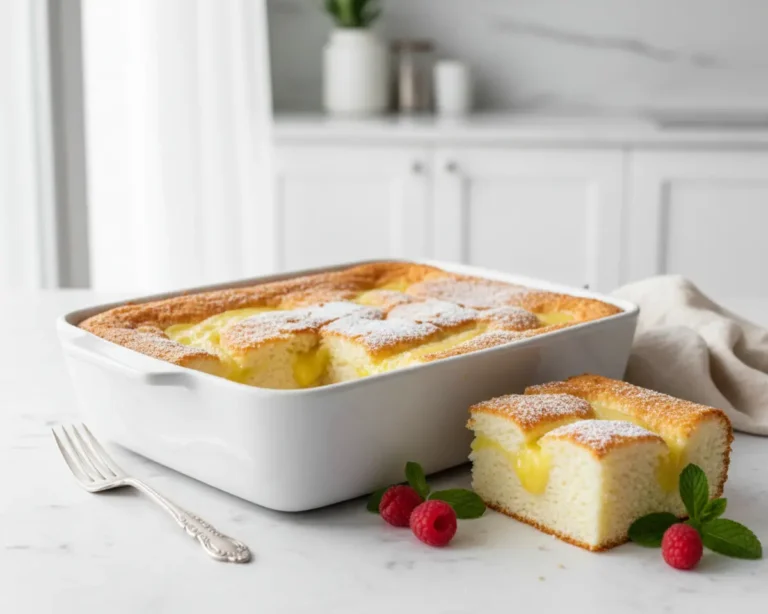
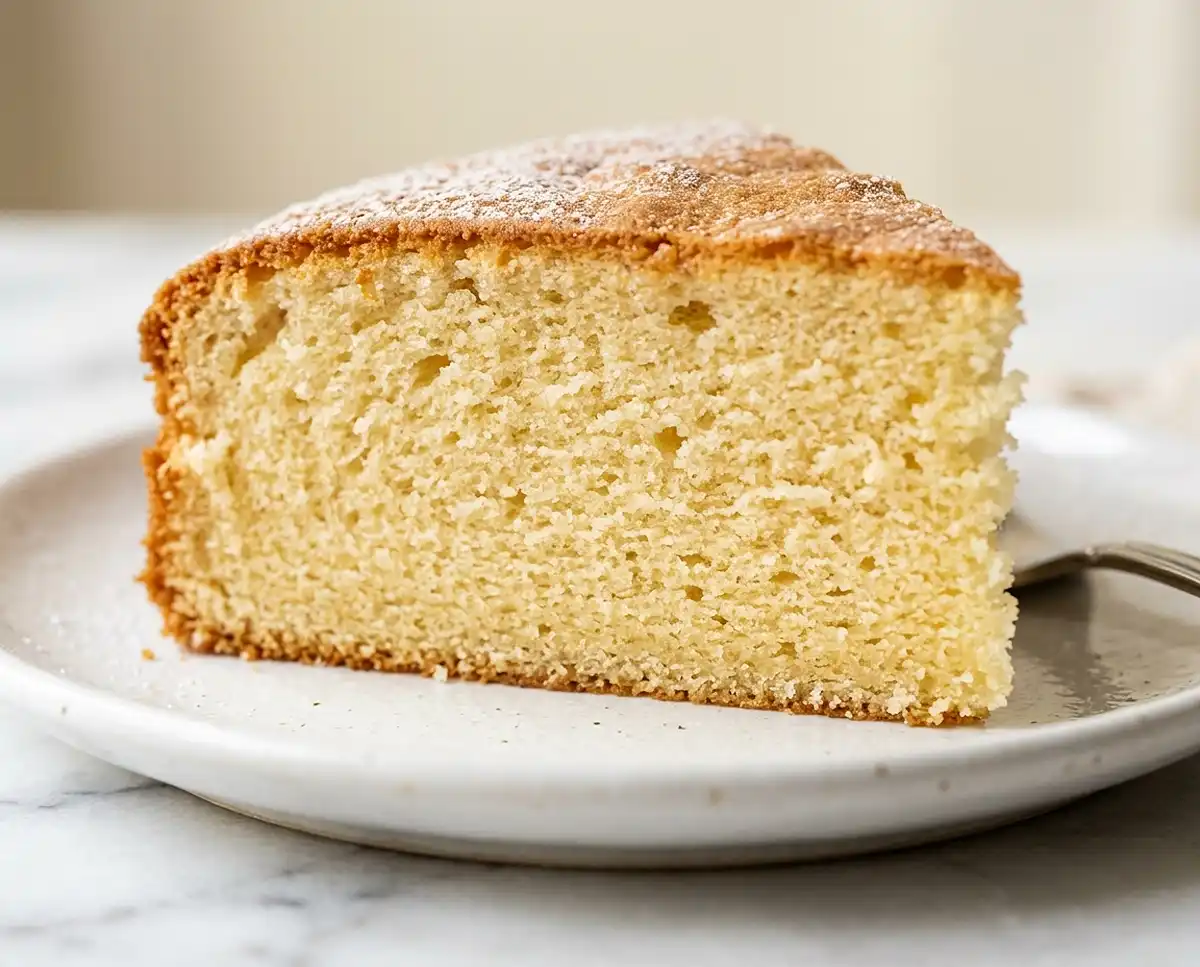
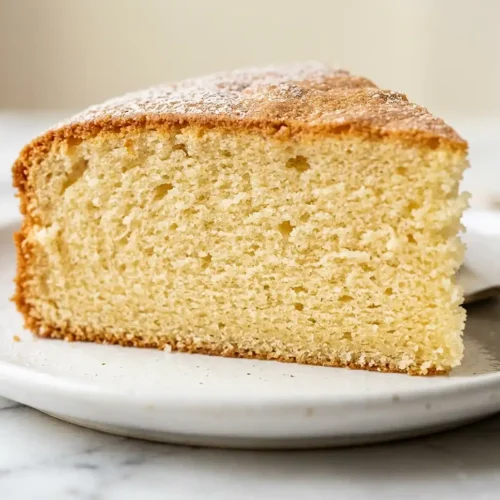
This easy eggless vanilla cake recipe delivers a moist, fluffy cake that no one will believe is egg-free—it’s that good.
I still remember the first time I needed to bake a cake without eggs. A friend with an egg allergy was coming over, and I panicked a little. Turns out, making a tender, delicious vanilla cake without eggs is surprisingly simple when you know the right technique. This recipe has become my go-to whenever I want something reliable, light, and absolutely delicious.
Whether you’re avoiding eggs by choice, necessity, or just ran out mid-recipe, this simple vanilla cake recipe works beautifully as a birthday cake, layer cake base, or just an afternoon treat with tea.
Table of Contents
Why You’ll Love This Egg-Free Vanilla Cake
This vegan vanilla cake checks every box. The crumb is tender and moist, never dense or rubbery like some egg-free cakes can turn out. The flavor is pure vanilla goodness without any weird aftertaste.
What I really love is how forgiving this recipe is. You don’t need fancy equipment or hard-to-find ingredients. Everything comes together in one bowl with a simple whisk, and the batter is ready in less than ten minutes.
The texture rivals any traditional cake, and honestly, most people can’t tell it’s made without eggs or dairy. It holds up beautifully for frosting and decorating, making it perfect for celebrations or just because you deserve cake on a Tuesday.
Plus, it stays moist for days. This isn’t one of those cakes that turns dry the next day—it actually tastes even better after the flavors have had time to settle.
What Makes This Cake Work Without Eggs
The magic here is in the chemistry. Eggs usually provide structure, moisture, and lift in cakes. This recipe uses a clever combination of ingredients to replace all three functions.
The vinegar and non-dairy milk create a quick buttermilk effect that reacts with the baking soda to give you tons of lift and a light, airy texture. You’ll actually see the batter bubble and foam slightly when you mix the wet and dry ingredients—that’s exactly what you want.
The oil keeps everything incredibly moist without making the cake greasy. Unlike butter, oil stays liquid at room temperature, which means your cake won’t firm up or dry out as it cools.
The ratio of baking soda to baking powder is carefully balanced to give you rise without any metallic aftertaste. I’ve tested this recipe dozens of times, and this combination gives the most consistent, foolproof results.
Easy Eggless Vanilla Cake Recipe
Ingredients
Ingredients
- 1 ½ cups all-purpose flour
- 1 teaspoon baking soda
- ½ teaspoon baking powder
- ½ teaspoon salt
- 1 cup granulated sugar
- ½ cup vegetable oil or any neutral oil
- 1 cup non-dairy milk almond, soy, or oat milk
- 1 tablespoon white vinegar
- 1 teaspoon vanilla extract
Instructions
- Preheat your oven to 350°F (175°C). Grease and flour an 8-inch round cake pan.
- In a large bowl, whisk together the all-purpose flour, baking soda, baking powder, salt, and granulated sugar.
- In a separate medium bowl, whisk together the vegetable oil, non-dairy milk, white vinegar, and vanilla extract.
- Pour the wet ingredients into the dry ingredients and mix until just combined. Be careful not to overmix.
- Pour the batter into the prepared cake pan and bake for 30-35 minutes, or until a toothpick inserted into the center comes out clean.
- Let the cake cool in the pan for 10 minutes before inverting it onto a wire rack to cool completely.
Ingredients You’ll Need for This Egg-Free Vanilla Layer Cake
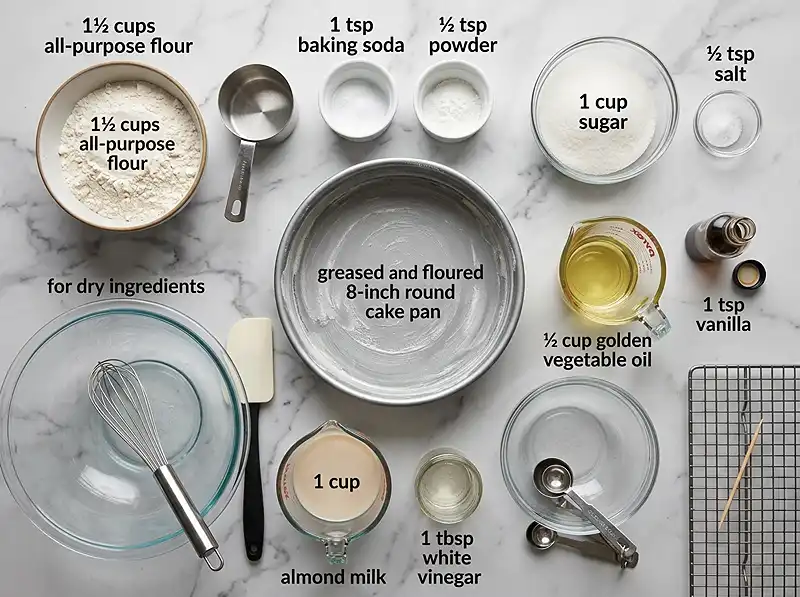
Everything on this list is pantry-friendly and easy to find. I love that there are no specialty egg replacers or obscure binders needed—just straightforward ingredients that work together beautifully.
| Ingredient | Quantity | Notes |
|---|---|---|
| All-purpose flour | 1 ½ cups | Spoon and level for accuracy |
| Baking soda | 1 teaspoon | Fresh for best rise |
| Baking powder | ½ teaspoon | Double-acting works best |
| Salt | ½ teaspoon | Enhances vanilla flavor |
| Granulated sugar | 1 cup | White sugar gives the cleanest flavor |
| Vegetable oil | ½ cup | Any neutral oil works—canola, sunflower, or safflower |
| Non-dairy milk | 1 cup | Almond, soy, or oat milk all work perfectly |
| White vinegar | 1 tablespoon | Apple cider vinegar works too |
| Vanilla extract | 1 teaspoon | Pure extract tastes best |
Step-by-Step Instructions for Your Easy Eggless Vanilla Cake Recipe
This cake comes together so quickly you’ll be amazed. The method is straightforward, and there’s very little that can go wrong if you follow these simple steps.
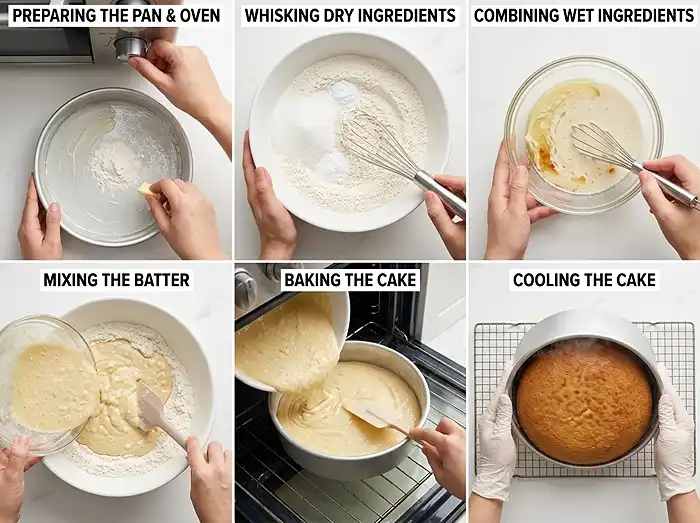
- Preheat and prep your pan. Set your oven to 350°F (175°C) and let it come to full temperature while you mix the batter. Grease your 8-inch round cake pan generously with oil or non-stick spray, then dust it with a light coating of flour. Tap out any excess. This step is crucial for easy release later.
- Whisk the dry ingredients. In a large mixing bowl, combine the all-purpose flour, baking soda, baking powder, salt, and granulated sugar. Use a whisk to blend everything thoroughly, breaking up any lumps in the flour or sugar. This ensures your leavening agents are evenly distributed throughout the batter.
- Mix the wet ingredients. In a separate medium bowl, whisk together the vegetable oil, non-dairy milk, white vinegar, and vanilla extract. The mixture might look slightly curdled when the vinegar hits the milk—that’s completely normal and exactly what creates the tender crumb.
- Combine wet and dry ingredients. Pour the wet mixture into the bowl with the dry ingredients. Using a whisk or wooden spoon, stir gently until just combined. You’ll still see a few small lumps, and that’s perfect. The batter should be pourable but not too thin. Overmixing develops gluten and makes the cake tough, so stop as soon as you don’t see dry flour anymore.
- Pour and bake. Transfer the batter into your prepared cake pan, using a spatula to scrape every last bit from the bowl. Give the pan a gentle tap on the counter to release any air bubbles. Slide it into your preheated oven and bake for 30-35 minutes. The cake is done when the top springs back lightly when touched and a toothpick inserted into the center comes out clean or with just a few moist crumbs.
- Cool properly. Let the cake rest in the pan for exactly 10 minutes. This cooling time lets the structure set without the cake getting soggy on the bottom. After 10 minutes, run a butter knife around the edges to loosen any stuck spots, then invert the cake onto a wire rack. Let it cool completely before frosting—this usually takes about an hour.
Expert Tips for the Best Dairy-Free Vanilla Cake
Don’t skip the vinegar. I know it seems weird to add vinegar to a cake, but it’s essential. The acid reacts with the baking soda to create carbon dioxide bubbles that make your cake rise and stay fluffy. Without it, your cake will be dense and flat.
Measure flour correctly. Too much flour is the number one reason cakes turn out dry. Spoon your flour into the measuring cup and level it off with a knife instead of scooping directly from the bag, which packs it down and gives you way too much.
Room temperature ingredients work best. Cold milk can seize up the oil and create an uneven batter. If your non-dairy milk is refrigerated, let it sit out for 15 minutes before using, or warm it very gently in the microwave for about 10 seconds.
Check your oven temperature. Most home ovens run hot or cold. If your cake consistently overbakes or underbakes at the times listed, grab an oven thermometer. Mine runs 15 degrees hot, so I always adjust accordingly.
Use fresh leavening agents. Baking soda and baking powder lose their potency over time. If yours have been sitting in the cupboard for more than six months, they might not give you the rise you need. You can test baking soda by adding a pinch to vinegar—it should bubble vigorously.
Don’t overbake. This cake is better slightly underdone than overdone. It continues cooking a bit from residual heat even after you remove it from the oven. When in doubt, pull it out at 30 minutes and check with a toothpick.
Delicious Variations to Try
Chocolate chip vanilla cake: Fold ½ cup of dairy-free chocolate chips into the batter just before pouring it into the pan. They sink slightly during baking and create pockets of melted chocolate throughout.
Lemon vanilla cake: Add 1 tablespoon of fresh lemon zest to the dry ingredients and replace ½ teaspoon of vanilla extract with lemon extract. The bright citrus flavor is perfect for spring and summer.
Double vanilla bean cake: Scrape the seeds from one vanilla bean pod and add them to the wet ingredients along with the vanilla extract. The visual flecks and intense vanilla flavor make this feel extra special.
Spiced vanilla cake: Add ½ teaspoon of cinnamon and ¼ teaspoon of nutmeg to the dry ingredients for a warm, cozy flavor that’s perfect for fall.
Layer cake version: Double the entire recipe and divide the batter between two 8-inch pans. Bake for 25-30 minutes. Once cooled, stack them with your favorite frosting in between for a stunning egg-free vanilla layer cake.
If you’re looking for more special occasion treats, check out my red velvet cake pops or these gorgeous lavender honey cupcakes for more baking inspiration.
Troubleshooting Common Issues
My cake turned out dense: This usually means overmixing or old leavening agents. Mix just until combined and check the freshness of your baking soda and powder.
The cake stuck to the pan: Make sure you’re greasing and flouring thoroughly, getting into all the corners and sides. I sometimes use parchment paper on the bottom for extra insurance.
The top cracked: Your oven might be running too hot, causing the cake to rise too quickly. Try reducing the temperature by 25 degrees and baking a few minutes longer.
The cake tastes soapy or metallic: Too much baking soda causes this. Make sure you’re measuring level teaspoons, not heaping ones. Also, make sure the vinegar is fully incorporated into the wet ingredients.
The texture is gummy: This happens when the cake isn’t fully baked. Make sure your oven has fully preheated before baking, and don’t be afraid to add a few extra minutes if the toothpick test shows wet batter.
It dried out too fast: Store the cake properly as soon as it’s completely cool. Exposure to air is the enemy. Wrapping tightly makes a huge difference in moisture retention.
How to Store Your Simple Vanilla Cake Recipe
Proper storage keeps this cake tasting fresh and moist for days. The good news is that this dairy-free vanilla cake actually improves after a day as the flavors meld together.
| Storage Method | Duration | Best Practices |
|---|---|---|
| Room temperature | 3-4 days | Store in an airtight container or wrap tightly in plastic wrap. Keep in a cool, dry place away from direct sunlight. |
| Refrigerator | 5-7 days | Wrap well in plastic wrap, then place in an airtight container. Bring to room temperature before serving for best texture. |
| Freezer | 2-3 months | Wrap unfrosted cake tightly in plastic wrap, then aluminum foil. Thaw overnight in the refrigerator before frosting or serving. |
If you’re freezing, I recommend slicing the cake first and wrapping individual pieces. That way you can grab a single slice whenever a craving hits without thawing the whole thing.
According to the FDA’s food safety guidelines, baked goods without perishable fillings or frostings are safe at room temperature for several days when properly stored.
Frosting and Serving Suggestions
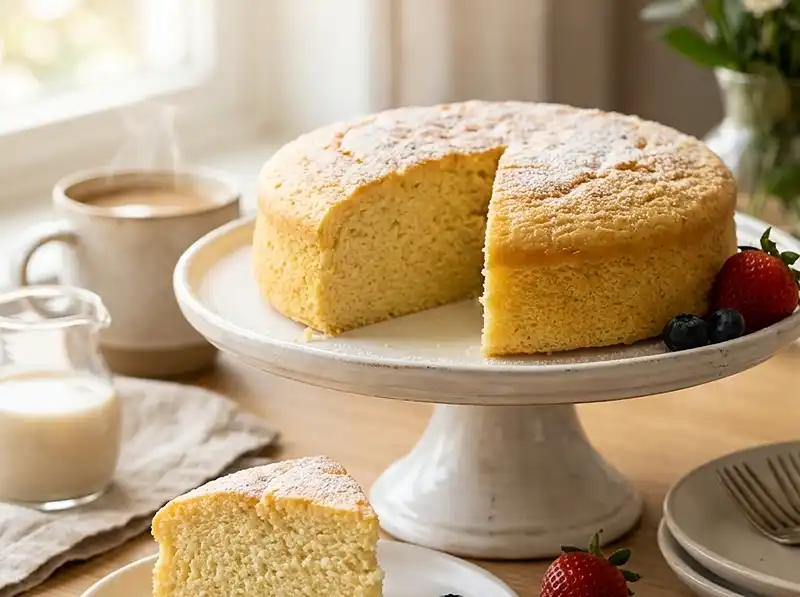
This cake is delicious completely plain with just a dusting of powdered sugar, but it also takes beautifully to frosting. The sturdy crumb holds up under even thick layers of buttercream.
My favorite pairing is a simple vegan vanilla buttercream made with dairy-free butter, powdered sugar, vanilla, and a splash of non-dairy milk. The classic combination never gets old.
For something lighter, try a whipped coconut cream frosting. Chill a can of full-fat coconut milk overnight, then whip the solid cream that separates to the top with a bit of powdered sugar and vanilla.
Fresh berries and a dollop of coconut whipped cream make this feel elegant enough for dinner parties. Or go full celebration mode with sprinkles and colorful frosting for birthdays.
This cake also works wonderfully as the base for strawberry lemonade cupcakes if you portion the batter into a muffin tin instead.
Easy Eggless Vanilla Cake Recipe FAQs
Can I make a vanilla cake without eggs?
Yes, you can easily make a delicious vanilla cake without eggs. Common egg substitutes include yogurt, applesauce, vinegar and baking soda, or condensed milk. These ingredients help bind the cake and keep it moist while providing excellent texture and rise.
What can I use instead of eggs in eggless vanilla cake?
The most popular egg substitutes for eggless vanilla cake are plain yogurt or curd, which adds moisture and helps with binding. You can also use a mixture of vinegar or lemon juice with baking soda, which creates a chemical reaction for leavening. Other options include applesauce, mashed banana, or condensed milk depending on your recipe.
How do I make my eggless vanilla cake fluffy and soft?
To achieve a fluffy eggless vanilla cake, make sure to cream butter and sugar well until light and fluffy, sift your dry ingredients to incorporate air, do not overmix the batter, use room temperature ingredients, and add a little extra baking powder or baking soda for lift. Also, avoid overbaking as this can dry out the cake.
What is the basic recipe for easy eggless vanilla cake?
A basic eggless vanilla cake requires all-purpose flour, sugar, butter or oil, milk or yogurt, baking powder, baking soda, vanilla extract, and a pinch of salt. Mix dry ingredients separately, cream butter and sugar, add wet ingredients alternately with dry ingredients, pour into a greased pan, and bake at 180 degrees Celsius for 30 to 35 minutes.
Why did my eggless vanilla cake turn out dense?
An eggless cake can turn out dense due to several reasons: overmixing the batter which develops too much gluten, using too much flour or not enough leavening agents, not creaming butter and sugar properly, using cold ingredients, or overbaking. Make sure to measure ingredients accurately, mix gently, and check doneness with a toothpick to avoid these issues.
You’re Going to Love This Cake
This easy eggless vanilla cake recipe has become one of my most-requested bakes, and I think it’s going to become a staple in your kitchen too. It’s proof that you don’t need eggs to make an absolutely stunning, delicious cake that everyone will love.
The simplicity is what keeps me coming back. No complicated techniques, no hard-to-find ingredients, just a straightforward recipe that delivers consistent results every single time.
I’d love to hear how yours turns out! Once you’ve made it, come back and let me know what you thought. Did you try any variations? How did your family react when you told them it was egg-free?
For more delicious recipes and baking adventures, browse through my complete recipe collection. There’s always something new to try!
Now grab your mixing bowls and get baking—you’re just six simple steps away from the most tender, flavorful vanilla cake. Trust me, it’s going to be amazing.