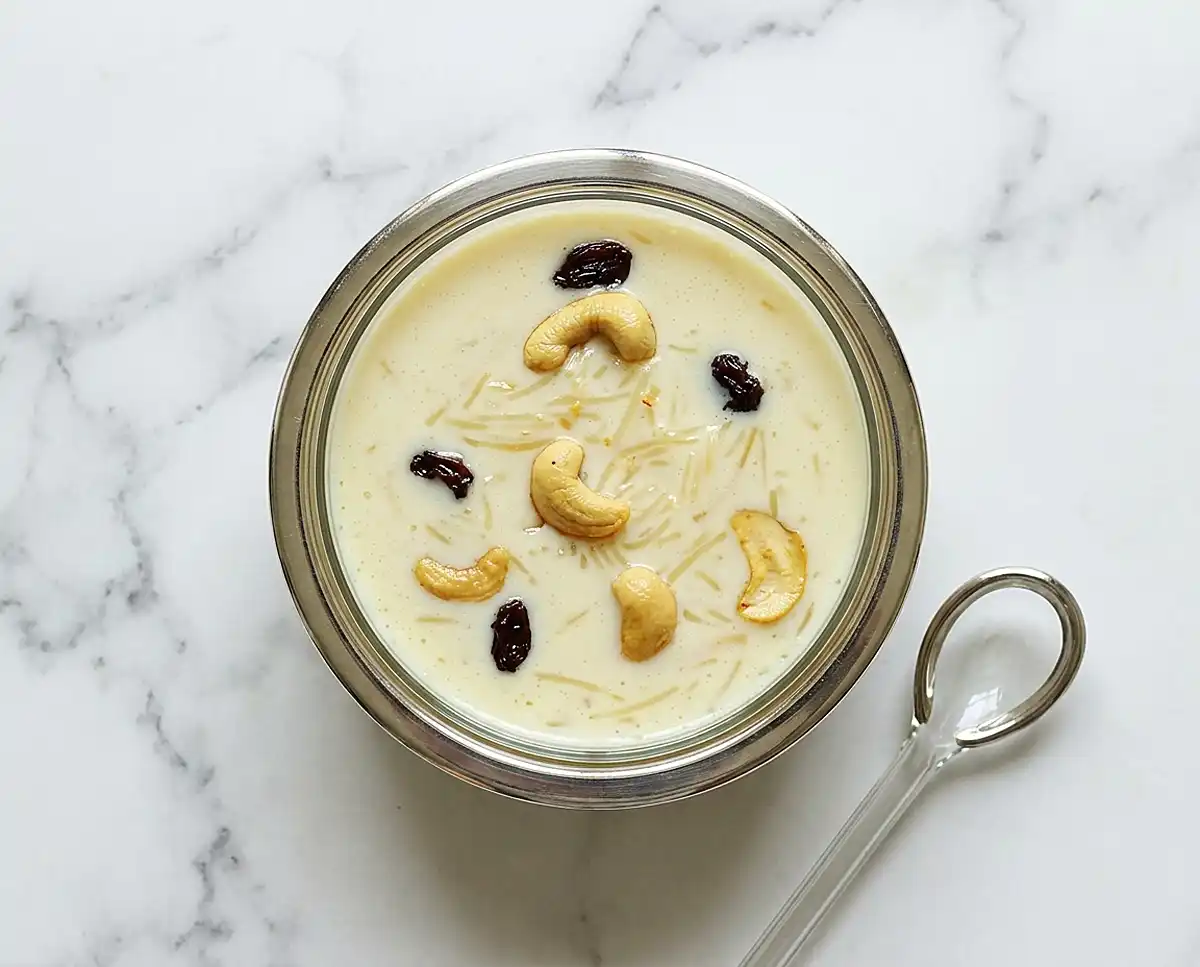
Simple Semiya Payasam Recipe
This authentic semiya payasam recipe brings the warmth of South Indian tradition right to your kitchen with just seven simple ingredients and about 30 minutes.
I still remember the first time I watched my neighbor make semiya payasam during Diwali. The smell of ghee-roasted vermicelli filled the entire hallway, and I knew I had to learn this recipe. Now it’s my go-to dessert whenever I need something that feels like a warm hug in a bowl.
Semiya payasam is a beloved South Indian dessert made with roasted vermicelli simmered in sweetened milk and flavored with cardamom. It’s creamy, fragrant, and absolutely delicious whether you serve it warm or chilled. This vermicelli kheer has been gracing festival tables and special occasions for generations, and once you taste it, you’ll understand exactly why.
Table of Contents
Why You’ll Love This Semiya Payasam Recipe
This semiya payasam is the kind of dessert that makes people lean back in their chairs with happy sighs. It’s rich without being heavy, sweet without being cloying, and it comes together faster than most other traditional Indian desserts.
The beauty of this vermicelli kheer is in its simplicity. You’re essentially roasting thin noodles in ghee until they smell nutty and toasty, then cooking them in milk until everything becomes this luxuriously creamy pudding. The cardamom adds warmth, the cashews give you little buttery bites of crunch, and those plump raisins scattered throughout offer sweet bursts of flavor.
I love that this recipe works for both everyday cravings and special celebrations. Make it on a random Tuesday evening when you need comfort food, or prepare it for Diwali, Pongal, or any festival gathering. It’s also incredibly forgiving for beginners, which is rare for traditional recipes.
Plus, I’ve included both stovetop and Instant Pot methods, so you can choose whatever works for your kitchen setup. The Instant Pot version is especially great when you’re cooking multiple dishes and need to free up burner space.
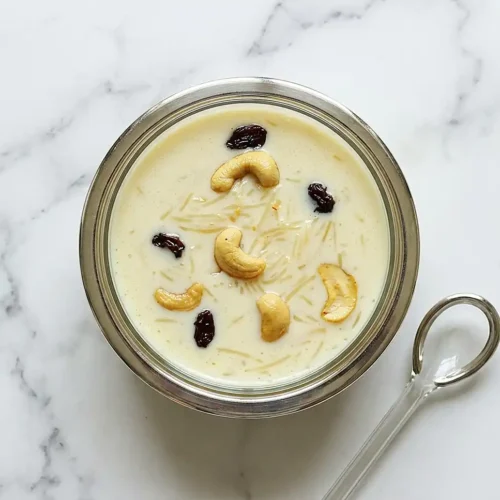
Semiya Payasam Recipe
Ingredients
Ingredients
- ¾ cup semiya (thick vermicelli)
- ½ cup sugar (adjust to taste)
- ½ teaspoon green cardamom powder (elaichi or few strands of saffron)
- 4 cups milk (1x – 3½ cups for instant pot)
- 2 tablespoons ghee
- 12 to 15 cashew nuts or as needed
- 8 to 10 sweet raisins or as needed
Instructions
- Firstly add half of the ghee to a heavy bottom pot and heat up.
- Add cashews and fry till golden.
- Then add sweet raisins and fry just until they plump up. Remove these to a plate and keep aside for garnish.
- Next add the rest of the ghee and add semiya to the same pan. Roast till slightly golden on a low to medium flame. (skip this step if using pre-roasted semiya)
- Pour milk to the pot. Let the milk boil on a low to medium flame.
- Boil till the vermicelli is fully soft cooked. Keep stirring to avoid burning.
- Add sugar. Cook for 3 to 5 mins on a low flame until the semiya payasam becomes thick.
- Add cardamom powder. Turn off when the it reaches a thick pouring consistency. It will thicken further after cooling.
- Garnish semiya payasam with fried nuts and raisins. Serve hot or chilled as desired.
- For Instant Pot: Press saute button and add half of the ghee to the inner pot of the Instant pot.
- When the ghee melts, add cashews and fry until golden.
- Remove them to a plate. If using raisins fry them just for 30 seconds and remove to the plate.
- Add the rest of the ghee (optional) and semiya. Fry until lightly golden stirring often. If using roasted vermicelli then just fry for 30 seconds.
- Pour milk and add sugar.
- Press cancel and stir well. Close the lid and then press porridge button.
- Set the timer to 6 mins and position the steam release handle to sealing.
- The ip will beep when the semiya payasam is done. Wait for the pressure to release naturally for 6 minutes.
- Add cardamom powder and gently stir it. If the payasam is runny you can cook on saute mode for 2 mins.
- Garnish with cashews and raisins. Serve semiya payasam chilled or warm.
Ingredients for the Perfect Semiya Payasam
The ingredient list for this vermicelli kheer is wonderfully short, but each component plays an important role in building flavor and texture. Here’s what you’ll need to gather before you start cooking.
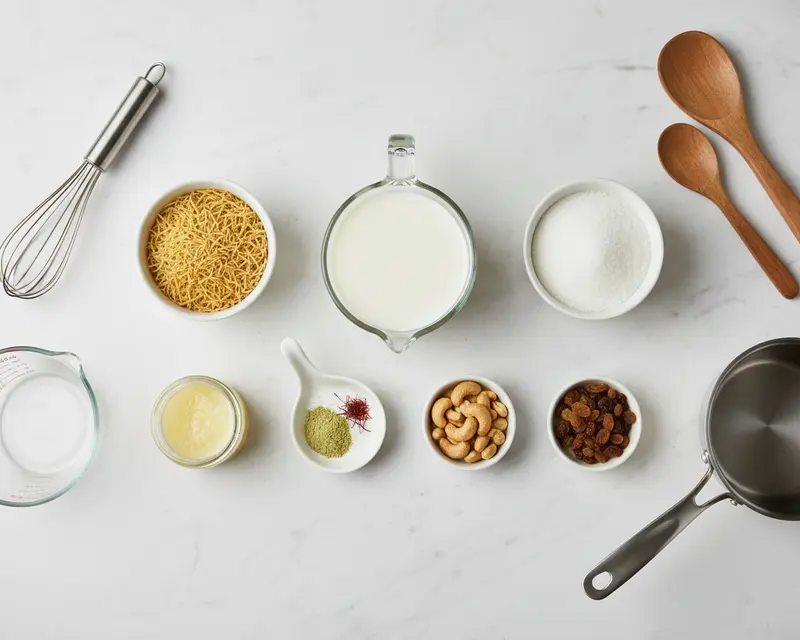
| Ingredient | Quantity | Notes |
|---|---|---|
| Thick vermicelli (semiya) | ¾ cup | Look for the thicker variety; can use pre-roasted or plain |
| Whole milk | 4 cups (3½ cups for Instant Pot) | Full-fat works best for creaminess |
| Sugar | ½ cup | Adjust according to your sweetness preference |
| Ghee | 2 tablespoons | Divided for roasting nuts and vermicelli |
| Cashew nuts | 12 to 15 | Adds buttery crunch; use more if you love nuts |
| Sweet raisins | 8 to 10 | Optional but traditional; they plump beautifully |
| Green cardamom powder | ½ teaspoon | Or use a few saffron strands for a different flavor profile |
The vermicelli is the star here. In Indian stores, you’ll find it labeled as “semiya” or “seviyan.” The thick variety holds up better during cooking and gives you a nice texture in the final payasam. I’ve tried the thin angel hair type, and while it works, it tends to break down more and can make the pudding mushier than I like.
Whole milk is non-negotiable if you want that authentic richness. I’ve tested this with 2% milk, and honestly, it just doesn’t taste the same. The fat content in whole milk creates that silky, luxurious mouthfeel that makes semiya payasam so special. According to the USDA, whole milk contains about 3.25% milk fat, which is perfect for traditional milk-based desserts.
Ghee brings an irreplaceable nutty, buttery flavor that regular butter just can’t match. When you roast the vermicelli and nuts in ghee, your kitchen will smell absolutely incredible. If you’re new to Indian cooking, ghee is clarified butter with the milk solids removed, which gives it a higher smoke point and longer shelf life.
Step-by-Step Instructions for Making Semiya Payasam
Making this vermicelli kheer is a straightforward process, but there are a few key moments where your attention really matters. I’ll walk you through both the traditional stovetop method and the modern Instant Pot approach.
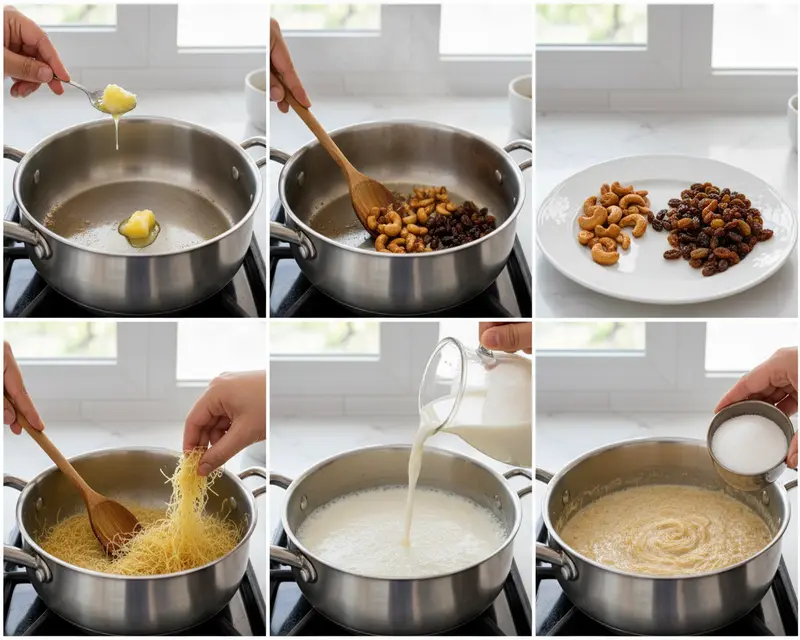
Stovetop Method
- Toast the cashews: Add half of the ghee (1 tablespoon) to a heavy-bottom pot and heat it over medium flame. Once the ghee melts and shimmers slightly, add the cashew nuts. Stir them frequently and fry until they turn golden brown, which usually takes about 2 to 3 minutes. Watch them closely because cashews can go from perfect to burnt in seconds.
- Plump the raisins: Add the raisins to the same pot with the cashews. Fry them for just 30 seconds to 1 minute until they puff up and look plump. They’ll sizzle a bit and start to swell. Remove both the cashews and raisins to a plate and set them aside for garnishing later.
- Roast the vermicelli: Add the remaining ghee to the same pot. Once it melts, add the semiya and reduce the heat to low-medium. Roast the vermicelli, stirring constantly, until it turns a light golden color and releases a toasty aroma. This takes about 4 to 5 minutes. If you’re using pre-roasted vermicelli, you can skip this step entirely or just give it a quick 30-second toss in the ghee.
- Add the milk: Pour all 4 cups of milk directly into the pot with the roasted vermicelli. Increase the heat slightly to bring the milk to a gentle boil. Keep the flame at low to medium throughout this process.
- Cook the vermicelli: Let the mixture simmer, stirring occasionally to prevent the vermicelli from sticking to the bottom. The semiya will absorb the milk and soften completely. This usually takes 8 to 10 minutes. You’ll notice the mixture starting to thicken as the vermicelli releases its starch into the milk.
- Sweeten it up: Once the vermicelli is completely soft (test a strand to make sure there’s no hard center), add the sugar. Stir well to dissolve it completely. Continue cooking on low heat for another 3 to 5 minutes. The semiya payasam will thicken noticeably at this stage.
- Add aromatics: Stir in the cardamom powder and mix it through the payasam. The warmth of the pudding will bloom the cardamom’s fragrance beautifully. Turn off the heat when the payasam reaches a thick pouring consistency, similar to pancake batter. Remember, it will thicken considerably as it cools, so don’t make it too thick at this stage.
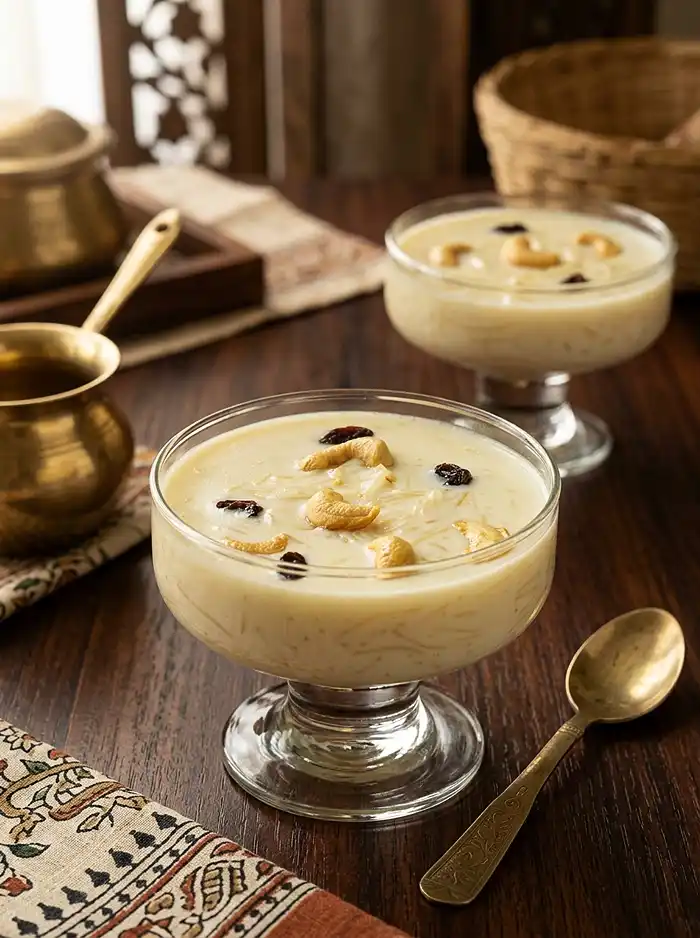
- Garnish and serve: Transfer the semiya payasam to serving bowls and garnish generously with the fried cashews and raisins. Serve it warm for a comforting treat, or chill it in the refrigerator for 2 to 3 hours if you prefer it cold.
Instant Pot Method
- Sauté mode for nuts: Press the sauté button on your Instant Pot and add half the ghee to the inner pot. When it melts, add the cashews and fry until they’re golden brown, stirring frequently. This takes about 2 minutes.
- Remove nuts and raisins: Transfer the fried cashews to a plate. Add the raisins to the pot and fry for just 30 seconds until they puff slightly, then remove them to the same plate.
- Roast the vermicelli: Add the remaining ghee (this is optional if you want to reduce fat) and the semiya to the pot. Fry the vermicelli until it’s lightly golden, stirring often to prevent burning. If you’re using pre-roasted vermicelli, just fry it for 30 seconds to coat it with ghee.
- Add wet ingredients: Pour in 3½ cups of milk (note the reduced quantity for the Instant Pot) and add the sugar. Press cancel to turn off sauté mode, then stir everything together well.
- Pressure cook: Close the Instant Pot lid securely and position the steam release handle to the sealing position. Press the porridge button and set the timer to 6 minutes. The pot will take about 8 to 10 minutes to come to pressure, then it will cook for 6 minutes.
- Natural release: When the cooking time is complete and the Instant Pot beeps, let the pressure release naturally for 6 minutes. This gentle pressure release prevents the milk from sputtering everywhere. After 6 minutes, carefully move the valve to venting to release any remaining pressure.
- Final touches: Open the lid and stir in the cardamom powder gently. If your semiya payasam looks too runny (which sometimes happens depending on your vermicelli brand), press sauté mode and cook for 2 more minutes while stirring to thicken it up.
- Garnish and serve: Top with the fried cashews and raisins. The Instant Pot version can be served warm right away or chilled for later.
Expert Tips for the Creamiest Semiya Payasam
After making this vermicelli kheer countless times, I’ve picked up some tricks that make a real difference in the final result. These tips come from both my own kitchen experiments and wisdom passed down from experienced cooks.
Don’t over-roast the vermicelli. You want a light golden color, not brown. If the semiya gets too dark, it can taste bitter and will also darken your payasam. The moment you smell that toasty aroma and see a slight color change, it’s time to add the milk.
Stir regularly but not constantly. When the milk is simmering with the vermicelli, give it a good stir every couple of minutes. This prevents sticking and ensures even cooking, but constant stirring can break down the vermicelli too much and make your payasam gummy.
Use a heavy-bottom pot. This is especially important for the stovetop method. A thin pot will create hot spots that can burn the milk and vermicelli at the bottom. A heavy pot distributes heat evenly and gives you much better control.
Adjust consistency with the cooling time in mind. This is the mistake I made the first three times I cooked this recipe. The payasam will thicken significantly as it cools, thanks to the starch from the vermicelli. When it’s hot, it should look slightly thinner than your desired final consistency. If it becomes too thick after cooling, just stir in a little warm milk to loosen it up.
Toast your cardamom for extra flavor. If you’re using whole cardamom pods, lightly toast them in a dry pan before grinding. This intensifies their flavor and aroma considerably. You can also add the whole pods while the milk simmers and remove them before serving.
Save some milk for adjusting. I always keep about half a cup of milk aside. If the payasam thickens too much during cooking or after refrigeration, I warm that reserved milk and stir it in to get the perfect consistency.
Delicious Variations to Try
Once you’ve mastered the basic semiya payasam recipe, these variations will keep things interesting. Each one offers a different flavor profile while maintaining the comforting essence of the original.
Saffron semiya payasam: Replace the cardamom with a generous pinch of saffron strands soaked in 2 tablespoons of warm milk. Add this during the last few minutes of cooking. The saffron gives the payasam a gorgeous golden color and a subtle floral flavor that feels really luxurious.
Coconut semiya payasam: Replace 1 cup of the milk with coconut milk for a richer, slightly tropical version. This is popular in Kerala and coastal regions. Add the coconut milk toward the end of cooking to preserve its delicate flavor.
Jaggery semiya payasam: Swap the white sugar for jaggery (unrefined cane sugar) for a deeper, caramel-like sweetness. You’ll need to dissolve the jaggery in a little water, strain it to remove impurities, and then add it to the payasam. This version has a beautiful amber color.
Mixed nut version: Add chopped almonds and pistachios along with the cashews for extra crunch and visual appeal. I especially love adding pistachios because their green color looks beautiful against the creamy white payasam.
Rose-flavored payasam: Add ½ teaspoon of rose water along with the cardamom for a delicate floral note. This is lovely for special occasions. Just be careful not to add too much, as rose water can quickly become overpowering.
Troubleshooting Common Issues
Even simple recipes can have their tricky moments. Here’s how to fix the most common problems people encounter when making this vermicelli kheer.
Problem: The payasam is too thick. This usually happens when you’ve cooked it too long or when it’s been refrigerated. Solution: Simply warm it gently on the stovetop or in the microwave and stir in warm milk, a few tablespoons at a time, until it reaches your desired consistency. The payasam will absorb the milk and become creamy again.
Problem: The payasam is too thin and runny. This might happen if you added too much milk or didn’t cook it long enough. Solution: Return it to the stove and simmer on low heat, stirring frequently, until it thickens to your liking. The vermicelli releases starch as it cooks, which naturally thickens the mixture.
Problem: The bottom is burning or sticking. This is the worst because burnt milk has a very strong, unpleasant flavor that can ruin the whole batch. Prevention is key here. Use a heavy-bottom pot, keep the heat at low to medium, and stir regularly. If you do catch some sticking, immediately transfer the payasam to another pot without scraping the bottom. You might save most of it this way.
Problem: The vermicelli has broken down into mush. This happens when you over-stir or cook it too long. While it will still taste good, the texture won’t be ideal. For next time, stir more gently and check the vermicelli after 8 minutes of cooking. Different brands have different cooking times.
Problem: The milk curdled. This is rare but can happen if your milk wasn’t fresh or if you added an acidic ingredient. Unfortunately, there’s no fix for curdled milk in payasam. You’ll need to start over with fresh milk. Always check your milk’s expiration date and give it a sniff test before using it.
Problem: It doesn’t taste sweet enough even though you followed the recipe. Sweetness perception varies a lot between people and also depends on what you’re eating the payasam with. Simply add more sugar, a tablespoon at a time, and heat it gently until dissolved. Taste as you go until it’s perfect for you.
Storage and Reheating Guide
Semiya payasam stores beautifully, which makes it perfect for making ahead when you’re planning for festivals or gatherings. Here’s how to store it properly and bring it back to its creamy glory when you’re ready to serve.
| Storage Method | Duration | Best Practices |
|---|---|---|
| Room Temperature | 2 hours maximum | Keep covered; only for immediate serving |
| Refrigerator | 3 to 4 days | Store in airtight container; stir before serving |
| Freezer | Not recommended | Milk-based desserts don’t freeze well; texture changes |
When you refrigerate semiya payasam, it will thicken considerably and might even set to a pudding-like consistency. This is completely normal. The vermicelli continues to absorb the liquid as it sits.
To reheat refrigerated payasam, transfer the desired portion to a saucepan and add a few tablespoons of milk. Heat it gently on low flame, stirring frequently, until it’s warmed through and reaches your preferred consistency. You can also microwave it in 30-second intervals, stirring between each interval and adding milk as needed.
I actually prefer eating this payasam chilled straight from the refrigerator, especially during summer. It becomes thick and creamy, almost like a custard, and the flavors have time to meld together beautifully. If you’re serving it cold, you might want to thin it out slightly with cold milk and stir it well before portioning into bowls.
According to FDA food safety guidelines, dairy-based desserts should be refrigerated within two hours of cooking to prevent bacterial growth. Never leave semiya payasam out at room temperature for extended periods, especially in warm weather.
Semiya Payasam Recipe FAQs
What is semiya payasam?
Semiya payasam is a traditional South Indian dessert made with vermicelli (semiya), milk, sugar, and flavored with cardamom. It is often garnished with roasted cashews and raisins. This sweet dish is popular during festivals, celebrations, and special occasions across South India.
How do you prevent semiya from becoming mushy in payasam?
To prevent semiya from becoming mushy, roast the vermicelli in ghee until golden brown before adding it to the milk. Add the roasted semiya to boiling milk and cook only until just tender. Avoid overcooking, as the vermicelli will continue to soften even after removing from heat. The payasam will thicken as it cools, so keep it slightly thin while cooking.
Can I make semiya payasam with condensed milk?
Yes, you can make semiya payasam with condensed milk for a richer, creamier taste. Replace regular sugar with condensed milk and adjust the quantity based on your sweetness preference. Since condensed milk is already sweet, you may need less or no additional sugar. Add the condensed milk towards the end of cooking to maintain its flavor and consistency.
What type of vermicelli is best for making payasam?
Thin semiya or vermicelli works best for making payasam. You can use either roasted vermicelli or unroasted vermicelli. If using unroasted vermicelli, you must roast it in ghee before cooking. Avoid using very thick vermicelli as it takes longer to cook and may not give the desired texture. Traditional Indian vermicelli made from wheat is preferred over other varieties.
How long can semiya payasam be stored?
Semiya payasam can be stored in the refrigerator for up to 2-3 days in an airtight container. The payasam will thicken when refrigerated, so you can add a little warm milk while reheating to adjust the consistency. Always reheat gently on low flame or in the microwave, stirring occasionally. It is best consumed fresh for optimal taste and texture.
Enjoy Your Homemade Vermicelli Kheer
There’s something deeply satisfying about making traditional desserts like semiya payasam from scratch. This recipe connects you to generations of home cooks who’ve been making this same dish for festivals, celebrations, and everyday moments of sweetness. The best part is how accessible it is, even for beginners who’ve never made Indian desserts before.
Whether you’re serving this vermicelli kheer warm on a cool evening or chilled after a spicy meal, it’s guaranteed to bring smiles to everyone at your table. The creamy texture, the warmth of cardamom, and those little bursts of sweetness from the raisins create a dessert that’s comforting and elegant at the same time.
I’d love to hear how your semiya payasam turns out! Try this recipe and let me know in the comments which method you used and how everyone enjoyed it. If you’re looking for more delicious recipes to try, check out our complete recipe collection, or try something different like our tapioca pudding recipe for another creamy dessert option. For savory dishes, our chicken and egg salad sandwich and buffalo chicken salad sandwich are perfect for lunch.
Happy cooking, and may your kitchen always smell like ghee-roasted vermicelli and cardamom!