Kala Chana Recipe Punjabi Style
This authentic kala chana recipe Punjabi style brings the rustic, heartwarming flavors of North India right to your kitchen—rich, aromatic, and completely comforting.
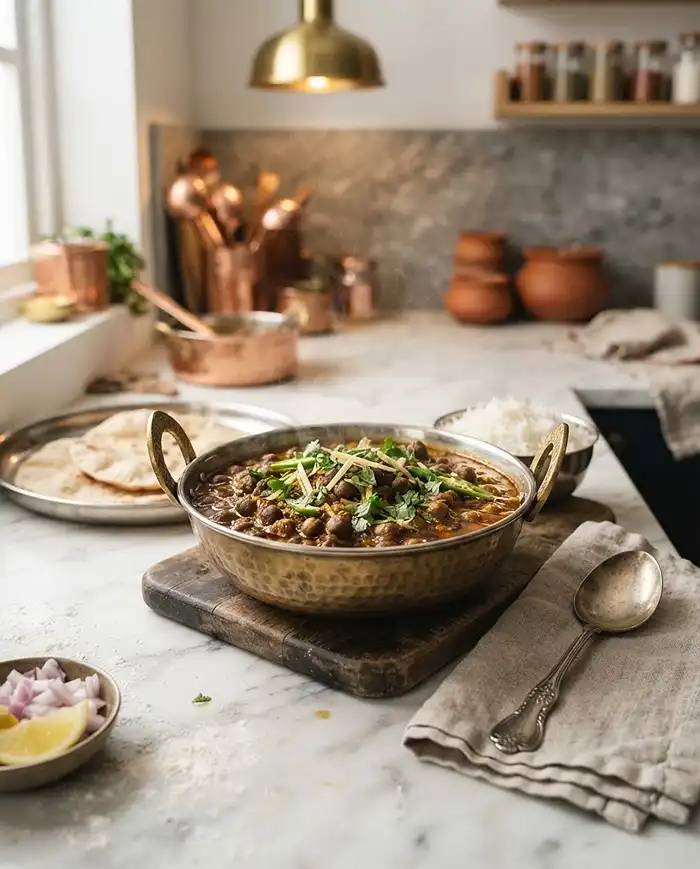
I first learned to make this dish from a neighbor who grew up in Amritsar, and let me tell you, once you taste real Punjabi kala chana, the canned stuff just doesn’t cut it anymore. The black chickpeas turn wonderfully creamy inside while still holding their shape, swimming in a spiced tomato-onion gravy that’s honestly good enough to drink with a spoon.
This is the kind of recipe that fills your home with the most incredible smells—toasted cumin, browning onions, and that unmistakable warmth of garam masala hitting hot oil.
Table of Contents
Quick Recipe Snapshot
This traditional Punjabi-style kala chana is a protein-packed, deeply flavorful curry made with black chickpeas simmered in a tomato-onion masala with warming spices. It pairs beautifully with rice, roti, or even just a piece of warm naan for scooping. Plan for an overnight soak and about 40 minutes of active cooking time, but trust me, it’s worth every minute.
Why You’ll Love This Kala Chana Recipe Punjabi Style
This dish checks every box for a satisfying weeknight dinner or meal prep star. The black chickpeas are naturally hearty and filling, loaded with protein and fiber that actually keeps you full. Unlike regular chickpeas, kala chana has this wonderful earthy, almost nutty flavor that holds up beautifully to bold spices.
The gravy is rich without being heavy, tangy from the amchur, and just spicy enough to keep things interesting. It tastes even better the next day, which makes it perfect for batch cooking. Plus, it’s naturally vegan if you use oil instead of ghee, and it’s the kind of comfort food that works year-round.
I love that this recipe doesn’t require any fancy ingredients or techniques—just good spices, a little patience, and a willingness to let the onions get properly golden. That step alone makes all the difference between okay kala chana and the kind that makes people ask for seconds.

Kala Chana Recipe Punjabi Style
Ingredients
Ingredients
- 1 cup kala chana black chickpeas, soaked overnight
- 2 tablespoons oil or ghee
- 1 large onion finely chopped
- 1 teaspoon ginger-garlic paste
- 2 medium tomatoes pureed
- ½ teaspoon turmeric powder
- 1 teaspoon red chili powder adjust to taste
- 1 teaspoon coriander powder
- ½ teaspoon cumin powder
- ½ teaspoon garam masala
- ½ teaspoon amchur dry mango powder
- Salt to taste
- 2-3 green chilies slit (optional)
- Fresh coriander leaves chopped for garnish
Instructions
- Drain the soaked kala chana and rinse thoroughly. Pressure cook with 3 cups of water and a pinch of salt for 5-6 whistles or until soft. Alternatively, boil in a pot until tender.
- Heat oil or ghee in a heavy-bottomed pan or kadai over medium heat. Add the chopped onions and sauté until golden brown.
- Add ginger-garlic paste and sauté for another minute until the raw smell disappears.
- Add the pureed tomatoes and cook until the oil separates from the masala.
- Stir in turmeric powder, red chili powder, coriander powder, and cumin powder. Cook for 2-3 minutes, stirring constantly, until the spices are fragrant.
- Add the cooked kala chana along with the cooking liquid (if using) to the pan. If the liquid is too much, drain some before adding. Add more water if needed to achieve desired consistency.
- Bring to a simmer, then cover and cook for 10-15 minutes, allowing the flavors to meld.
- Stir in garam masala, amchur powder, and salt to taste. Add slit green chilies if using.
- Cook for another 5 minutes, uncovered, allowing the gravy to thicken slightly.
- Garnish generously with fresh chopped coriander leaves before serving.
Notes
Ingredients for Kala Chana Recipe Punjabi Style
Let’s talk about what goes into this beautiful curry. Most of these ingredients are pantry staples if you cook Indian food regularly, and the black chickpeas are easy to find at Indian grocery stores or online.

| Ingredient | Amount | Notes |
|---|---|---|
| Kala chana (black chickpeas) | 1 cup | Must be soaked overnight; they’re smaller and darker than regular chickpeas |
| Oil or ghee | 2 tablespoons | Ghee adds authentic flavor; oil keeps it vegan |
| Large onion | 1 | Finely chopped for best texture |
| Ginger-garlic paste | 1 teaspoon | Fresh is best, but jarred works in a pinch |
| Medium tomatoes | 2 | Pureed until smooth |
| Turmeric powder | 1/2 teaspoon | For color and earthy warmth |
| Red chili powder | 1 teaspoon | Adjust based on your heat preference |
| Coriander powder | 1 teaspoon | Adds citrusy, floral notes |
| Cumin powder | 1/2 teaspoon | Essential for that authentic flavor |
| Garam masala | 1/2 teaspoon | Added at the end to preserve its aroma |
| Amchur (dry mango powder) | 1/2 teaspoon | Gives a subtle tangy finish; can substitute with lemon juice |
| Salt | To taste | Season in layers for best results |
| Green chilies | 2-3 | Slit, optional for extra heat |
| Fresh coriander leaves | For garnish | Chopped; adds freshness and color |
The kala chana itself is the star here—these black chickpeas have a denser texture and richer flavor than the tan kabuli chana you’re probably more familiar with. Don’t skip the overnight soak; it’s not optional. Trying to cook them from dry will take forever and they’ll never get properly creamy.
The amchur is what gives this dish its characteristic Punjabi tang. If you can’t find it, a squeeze of lemon juice at the end works, though it’s not quite the same earthy sourness. I always keep a container of amchur in my spice drawer because it’s such a game-changer in so many North Indian dishes.
Step-by-Step Instructions for Making Punjabi Kala Chana
This recipe comes together in stages—cooking the chickpeas, building the masala base, and then simmering everything together. Take your time with the onions and tomatoes; that’s where all the flavor develops.

- Cook the chickpeas: Drain the soaked kala chana and rinse thoroughly under cold water. Add them to a pressure cooker with 3 cups of fresh water and a pinch of salt. Pressure cook for 5-6 whistles or until the chickpeas are soft enough to squish easily between your fingers but still hold their shape. If you don’t have a pressure cooker, boil them in a regular pot for 45-60 minutes until tender. The cooking liquid is liquid gold, so save it—it adds body and flavor to the gravy.
- Start the masala base: Heat oil or ghee in a heavy-bottomed pan or kadai over medium heat. Once it’s shimmering, add the finely chopped onions. Sauté them, stirring frequently, until they turn a beautiful golden brown. This takes about 8-10 minutes and you really can’t rush it. The onions should smell sweet and look caramelized, not pale and raw. This step builds the foundation of flavor for your entire curry.
- Add aromatics: Stir in the ginger-garlic paste and sauté for another minute, stirring constantly so it doesn’t burn. You’ll know it’s ready when that sharp raw smell mellows out and becomes fragrant and slightly sweet. The paste should cook into the onions, not sit on top of them.
- Cook the tomatoes: Add the pureed tomatoes to the pan. This is where things get a little messy—the tomatoes will splatter when they hit the hot oil, so be ready. Cook the tomatoes, stirring occasionally, until they break down completely and the oil starts to separate from the masala. You’ll see little pools of oil around the edges. This takes about 7-8 minutes and means the raw tomato flavor has cooked off.
- Bloom the spices: Stir in the turmeric powder, red chili powder, coriander powder, and cumin powder. Cook for 2-3 minutes, stirring constantly. The spices should smell toasted and fragrant, not raw. This step is called blooming, and it wakes up all those dormant flavors locked in the dried spices. If the mixture starts sticking, add a tablespoon of water to loosen it up.
- Combine chickpeas and masala: Add the cooked kala chana to the pan along with about 1 cup of the cooking liquid. If your chickpeas are swimming in too much water, drain some off first—you want a thick curry, not soup. If you need more liquid to reach your preferred consistency, add it now. The gravy should coat the back of a spoon but still flow easily.
- Simmer to marry flavors: Bring everything to a gentle simmer, then reduce the heat to low. Cover the pan and let it cook for 10-15 minutes. This gives the chickpeas time to absorb all those beautiful spices. The gravy will thicken slightly and the flavors will really come together. Give it a stir halfway through to make sure nothing’s sticking to the bottom.
- Finish with finishing spices: Stir in the garam masala, amchur powder, and taste for salt. Add the slit green chilies if you want extra heat and a pop of color. These final spices are added at the end because they’re delicate and lose their punch if cooked too long. The amchur adds that signature tangy brightness that makes this dish taste authentically Punjabi.
- Final simmer: Cook uncovered for another 5 minutes, allowing the gravy to thicken to your liking. The oil should rise to the surface slightly—that’s a good sign. The chickpeas should be completely tender and the gravy should cling to them beautifully.
- Garnish and serve: Turn off the heat and garnish generously with fresh chopped coriander leaves. The bright green herbs add a fresh contrast to all those deep, warm spices. Serve hot with rice, roti, naan, or even as a side dish to a bigger Indian feast. Check out my all recipes page for more pairing ideas.
Expert Tips for Perfect Kala Chana
After making this dish dozens of times, I’ve learned a few tricks that make a real difference. First, don’t skimp on the onion-browning step. Pale onions make for a pale-tasting curry. You want them deep golden, almost caramel-colored, which concentrates their sweetness and adds complexity to the whole dish.
If your masala seems dry or starts sticking while you’re cooking the spices, add a splash of water. It’ll help prevent burning and give you a smoother texture. Some cooks add a small pinch of baking soda to the soaking water or cooking water for the chickpeas—it helps them soften faster and makes them creamier, though I find it’s not necessary if you’ve soaked them properly overnight.
The consistency of the gravy is totally personal preference. Some people like it thick enough to scoop with bread, others prefer it saucier to mix with rice. Adjust by adding more cooking liquid or letting it simmer uncovered longer. Just remember that it’ll thicken slightly as it cools.
If you want a richer, restaurant-style version, add a tablespoon of cream or a pat of butter right before serving. It’s not traditional for home cooking, but it does add a lovely silkiness. You can also finish with a tadka (tempering) by heating a tablespoon of ghee with cumin seeds and dried red chilies, then pouring it over the finished curry. The sizzle and aroma are incredible.
Make this dish in the morning or even the day before if you can. Like most bean curries, kala chana tastes exponentially better after the flavors have had time to sit together. Just reheat gently with a splash of water if needed.
Delicious Variations to Try
This kala chana recipe Punjabi style is wonderfully adaptable. For a smokier flavor, add a teaspoon of kasuri methi (dried fenugreek leaves) crushed between your palms when you add the garam masala. It adds an earthy, slightly bitter note that’s absolutely delicious.
If you want more vegetables, stir in some diced potatoes or cauliflower florets when you add the chickpeas. They’ll cook in the simmering liquid and soak up all that flavor. Spinach is another great addition—just stir in a few handfuls of fresh or frozen spinach during the last 5 minutes of cooking.
For a quick version, use canned black chickpeas. Drain and rinse them well, then add them when you’d normally add the cooked chickpeas. You’ll need to add about a cup of water or vegetable broth since you won’t have cooking liquid. It won’t be quite as good as using dried beans, but it works in a pinch.
Some families add a tablespoon of pomegranate seeds (anardana) along with the amchur for extra tanginess and a bit of texture. Others like to add a squeeze of lime juice and some chaat masala just before serving for a street-food vibe.
If you’re looking for other hearty comfort dishes, you might enjoy my ya ya chicken recipe or the crispy giant chicken cutlet recipe for something completely different.
Troubleshooting Common Issues
If your chickpeas aren’t getting soft even after extended cooking, it’s usually because they’re old or weren’t soaked long enough. Older beans can take twice as long to cook and may never reach that perfect creamy texture. Always buy from a store with good turnover and soak for at least 8 hours or overnight.
Hard water can also make beans tough. If you live in an area with very hard water, try adding a pinch of baking soda to the soaking water or use filtered water for cooking. It sounds fussy, but it really does make a difference.
If your gravy tastes flat or bland, you probably need more salt or acidity. Add salt gradually and taste as you go—beans need more salt than you’d think. If it’s still missing something, add another squeeze of lemon or a bit more amchur. Sometimes a dish just needs that acid to wake everything up.
Gravy too thin? Let it simmer uncovered for an extra 10 minutes. You can also mash a few of the chickpeas against the side of the pan—they’ll break down and thicken the gravy naturally. Too thick? Just add water or broth a quarter cup at a time until you reach the consistency you want.
If the spices taste raw or harsh, you didn’t cook them long enough. Next time, make sure to really bloom them in the oil and cook the tomato-spice mixture until the oil separates. That’s the key to a smooth, well-rounded curry.
Storage and Reheating Tips
One of the best things about this kala chana recipe Punjabi style is how well it keeps. In fact, it’s one of those magical dishes that actually improves with time as the chickpeas continue to absorb the spices.
| Storage Method | Duration | Best Practices |
|---|---|---|
| Refrigerator | 4-5 days | Store in an airtight container; let cool completely before refrigerating |
| Freezer | Up to 3 months | Freeze in portion-sized containers; leave room for expansion |
| Room temperature | Not recommended | Beans can spoil quickly; refrigerate within 2 hours |
When reheating, add a splash of water because the chickpeas will have absorbed liquid as they sat. Heat gently on the stovetop over medium-low heat, stirring occasionally, until warmed through. You can also microwave individual portions—just cover loosely and stir halfway through to ensure even heating.
If you’re freezing, let the curry cool completely first, then transfer to freezer-safe containers or heavy-duty freezer bags. I like to freeze it in 2-cup portions so I can thaw just what I need. Thaw overnight in the fridge before reheating, or reheat from frozen over low heat with a bit of extra water.
The texture holds up beautifully to freezing, which isn’t true for all curries. The chickpeas stay firm and don’t get mushy, making this an excellent meal prep option. Just freshen it up with a sprinkle of fresh coriander and maybe a squeeze of lemon when you reheat.
Kala Chana Recipe Punjabi Style FAQs
What is kala chana and how is it different from regular chickpeas?
Kala chana, also known as black chickpeas or desi chickpeas, are smaller and darker than regular kabuli chana (white chickpeas). They have a nuttier, earthier flavor and a firmer texture. In Punjabi cuisine, kala chana is preferred for its robust taste and higher nutritional content, including more fiber and protein than regular chickpeas.
Do I need to soak kala chana before cooking Punjabi style?
Yes, soaking kala chana is essential for Punjabi-style preparation. Soak the black chickpeas in plenty of water for at least 8 hours or overnight. This reduces cooking time significantly, makes them easier to digest, and helps them cook evenly. After soaking, drain and rinse them before cooking. If using a pressure cooker, soaked kala chana typically takes 15-20 minutes to cook perfectly.
What are the key spices used in Punjabi kala chana recipe?
Authentic Punjabi kala chana uses a blend of aromatic spices including cumin seeds, coriander powder, red chili powder, turmeric, garam masala, and amchur (dry mango powder) for tanginess. Many recipes also include ginger-garlic paste, green chilies, and fresh coriander leaves for garnishing. Some versions add tea bags or tea leaves while boiling to enhance the dark color of the curry.
Can I make Punjabi kala chana without onion and garlic?
Yes, you can make a delicious Punjabi kala chana without onion and garlic. Replace the onion-tomato base with a thicker tomato gravy and add extra ginger for flavor. Increase the use of aromatic spices like cumin, asafoetida (hing), and garam masala to compensate for the missing flavors. This Jain or satvik version is equally tasty and commonly prepared during religious occasions or fasting periods.
What should I serve with Punjabi kala chana?
Punjabi kala chana pairs wonderfully with various Indian breads and rice dishes. Traditional accompaniments include bhature (deep-fried leavened bread), kulcha, naan, or simple roti. It also goes well with steamed rice or jeera rice. For a complete Punjabi meal, serve it with sliced onions, green chilies, lemon wedges, and pickle on the side. It can also be enjoyed as a standalone protein-rich dish.
Serving Suggestions
This Punjabi kala chana is incredibly versatile when it comes to serving. The classic pairing is with steaming hot rice—basmati is traditional and its fluffy texture soaks up the gravy perfectly. I also love it with chapati, roti, or naan for scooping.
For a complete North Indian meal, serve it alongside some raita (yogurt with cucumber and spices) to cool down the heat, some pickled onions or achar for tang, and maybe a simple salad of sliced cucumbers, tomatoes, and onions with a squeeze of lemon.
It also works beautifully as part of a bigger spread. I’ve served it at potlucks and dinner parties alongside other curries, and it always disappears first. The deep, earthy flavor complements lighter dishes really well. It’s hearty enough to be a main course on its own, especially if you’re serving it with rice and maybe some roasted papadums on the side.
For a fun fusion twist, try using it as a filling for wraps or as a topping for baked potatoes. It’s also fantastic over toasted bread for a kind of Indian-spiced beans on toast situation that’s way better than it sounds. If you’re into creative fusion cooking, check out my chicken caesar smashed tacos for another genre-bending recipe.
Ready to Make This Comforting Punjabi Classic?
This kala chana recipe Punjabi style is one of those recipes that’ll become a regular in your dinner rotation once you try it. It’s satisfying, flavorful, economical, and fills your house with the most incredible aromas while it cooks. Whether you’re already familiar with Indian cooking or this is your first time making a curry from scratch, this recipe is forgiving and rewarding.
The overnight soak requires a bit of planning, but the actual hands-on time is minimal. Most of it is just letting things simmer and do their thing while you catch up on other tasks. And the leftovers are so good that you might find yourself making a double batch just to have it on hand all week.
I’d love to hear how yours turns out! Did you add any personal touches or serve it with something unexpected? Let me know in the comments, and if you’re looking for more comforting recipes, browse through my recipe collection for more inspiration. Happy cooking!