Ube Sweet Rolls with Cream Cheese Frosting
These ube sweet rolls bring that same quiet comfort, only now they come out of my own oven with their soft purple swirl and that faint smell of coconut that makes everyone wander into the kitchen.
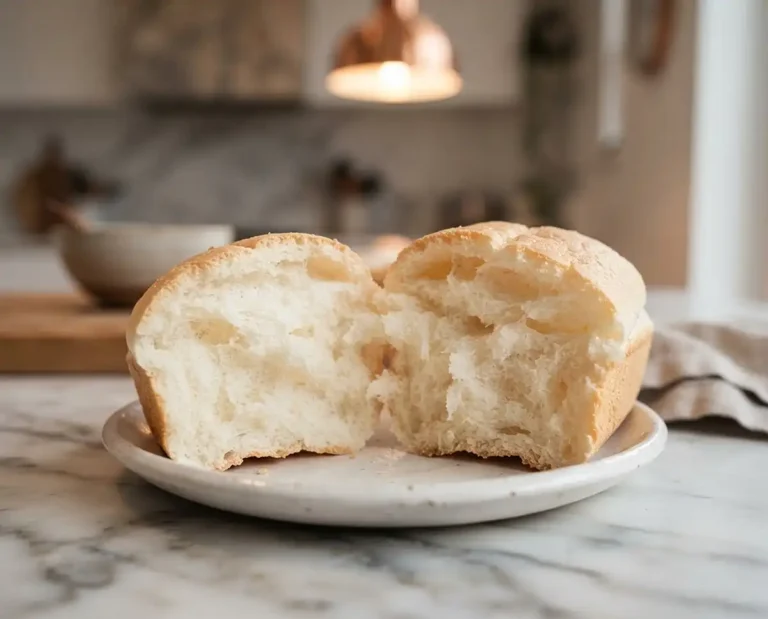
This is a fluffy, barely-sweet roll with a tender crumb and a hint of ube running through every bite. The coconut milk and pineapple juice keep them moist for days, and the purple color makes them feel like a celebration even when you’re just eating them over the sink at breakfast. They taste like the best parts of a King’s Hawaiian roll, but with that unmistakable ube flavor that sticks with you.
Table of Contents

Ube Sweet Roll
Ingredients
Dough
- 2¼ tsp instant dry yeast
- 3¼ cups all-purpose flour
- 1 tbsp nonfat dry milk powder
- 1 tsp kosher salt
- ⅓ cup ube halaya jam
- ¼ cup granulated sugar
- ¼ cup unsalted butter melted and cooled
- ½ cup coconut milk full fat, shaken
- ¼ cup canned pineapple juice not fresh
- 1 large egg
- 1 tsp vanilla extract
- ⅛ tsp ube extract optional
Egg Wash and Topping
- 1 egg
- 2 tbsp coconut milk
- 1 tbsp butter melted
Instructions
- In a medium mixing bowl, combine flour, yeast, salt, and milk powder. Place yeast and salt in separate areas of the bowl before mixing, as salt can kill or inhibit the yeast. Once mixed and flour coats them both, freely combine them together. **If you’re using active dry yeast, activate it first – add yeast to the coconut milk slightly warmed (95-100℉) in a small bowl and allow it to foam for 10 mins before adding the mixture with the rest of the dough ingredients.
- In a large or stand mixer bowl, combine and mix ube halaya, sugar, melted/cooled butter, coconut milk, pineapple juice, egg, vanilla, and ube extract. Add in the dry ingredients and knead for 10 minutes. The dough will be tacky and slightly sticky, but manageable – resist the urge to add extra flour unless absolutely necessary. Use a rubber spatula or bench scraper if needed – the dough should release from the bowl with minimal dough sticking.
- Roll dough into a rough ball and place into a clean greased bowl. Cover and place in a warm area. Allow it to rise for approx 2 hours until dough visibly increases 50% in volume. Prep rectangle pan with parchment paper.
- Once risen, punch dough and transfer onto counter or working surface. Divide and roll into 12 equal dough balls about 68-70 grams each. Place in prepared line pan. Cover and return pan to warm area for the final proof. Depending on your kitchen temperature, the amount of time may vary. I keep my kitchen cool around 70-72℉(21-22℃), and proofing takes me around 2 hours. If you keep your dough in a warmer environment, it will rise faster.
- Preheat your oven for at least 30 minutes to 350℉ (175℃).
- Do the finger poke test to check if dough has proofed the correct amount of time. Press dough gently with your finger. If the indent immediately springs back to its original shape (as if poke didn’t even happen), then it is not ready. Allow it to rise longer. Once you poke it and finger indent stays for a few seconds, then SLOWLY retracts back to shape, then it’s time to bake.
- In a small bowl, make the egg wash by whisking together egg and coconut milk. Brush an even layer over the rolls. Bake for 20-22 minutes until tops are golden brown. Brush with melted butter and serve warm.
Ube Sweet Roll Ingredients
Everything here works together to build a soft, lightly sweet roll that stays tender. The ube halaya does the heavy lifting for flavor and color, while the coconut milk and pineapple juice add moisture and a subtle tropical sweetness that doesn’t announce itself but you’d miss it if it were gone.

| Ingredient | Notes |
|---|---|
| 2¼ tsp instant dry yeast | Active dry yeast works too—just bloom it first in warm coconut milk |
| 3¼ cups all-purpose flour | Spoon and level; don’t pack it |
| 1 tbsp nonfat dry milk powder | Adds richness and helps with browning |
| 1 tsp kosher salt | Keep it away from the yeast until the flour coats both |
| ⅓ cup ube halaya (jam) | This is your flavor and color—homemade ube halaya is best |
| ¼ cup granulated sugar | Just enough to balance the yeast and butter |
| ¼ cup unsalted butter, melted and cooled | Let it cool so it doesn’t kill the yeast |
| ½ cup full-fat coconut milk, shaken | The kind in a can, not the carton; shake it first |
| ¼ cup canned pineapple juice | Not fresh—canned has the enzymes cooked out so the dough behaves |
| 1 large egg | Room temperature blends easier |
| 1 tsp vanilla extract | Rounds out the sweetness |
| ⅛ tsp ube extract (optional) | Deepens the color and aroma if you want it louder |
| 1 egg + 2 tbsp coconut milk (egg wash) | Gives the tops that shiny, golden finish |
| 1 tbsp butter, melted (for brushing) | Brush it on hot rolls for extra softness |
Instructions
This dough comes together gently and needs a little patience, but it’s forgiving. The key is letting it rise properly and resisting the urge to add more flour when it feels tacky. Trust the process—sticky dough makes the softest rolls.

Mix the Dry Ingredients
- Combine flour, yeast, salt, and milk powder in a medium bowl. Keep the yeast and salt on opposite sides of the bowl before you stir—salt can slow down or even kill yeast if they touch directly. Once the flour coats everything, you’re safe to mix it all together. If you’re using active dry yeast instead of instant, warm the coconut milk to about 95–100°F, stir in the yeast, and let it sit for ten minutes until it foams before adding it with the wet ingredients.
Build the Dough
- In a large bowl or the bowl of a stand mixer, whisk together ube halaya, sugar, melted butter, coconut milk, pineapple juice, egg, vanilla, and ube extract until smooth and the ube halaya is fully blended in. Add the dry ingredients and knead for ten minutes—by hand or with a dough hook on medium-low speed. The dough will feel tacky and slightly sticky, but it should pull away from the bowl with just a little residue. “Don’t panic and dump in more flour,” my aunt used to say. “Sticky dough is happy dough.” Use a bench scraper or rubber spatula to help if it’s clinging too much.
First Rise
- Shape the dough into a rough ball and place it in a clean, greased bowl. Cover it with a damp towel or plastic wrap and set it somewhere warm and draft-free. Let it rise for about two hours, or until it’s visibly puffed up and about 50% bigger. While it’s rising, line a 9×13-inch baking pan with parchment paper.
Shape the Rolls
- Once the dough has risen, punch it down gently to release the air, then turn it out onto a clean counter. Divide it into twelve equal pieces—about 68 to 70 grams each if you want to weigh them, but eyeballing it works fine too. Roll each piece into a smooth ball by tucking the edges under and rolling it against the counter with a cupped hand. Place the balls in the prepared pan, spacing them evenly. Cover the pan and return it to your warm spot for the second rise. Depending on your kitchen temperature, this can take anywhere from 90 minutes to two and a half hours. I keep my kitchen around 70°F and it usually takes about two hours.
Bake
- Preheat your oven to 350°F for at least thirty minutes so it’s fully hot and even. Before you bake, do the finger poke test: press your finger gently into one of the rolls. If the dough springs back immediately like nothing happened, it needs more time. If the indent stays for a few seconds and then slowly fills back in, you’re ready to bake.
- Whisk together the egg and two tablespoons of coconut milk in a small bowl to make the egg wash. Brush it evenly over the tops of the rolls. Slide the pan into the oven and bake for 20 to 22 minutes, until the tops are golden brown and the rolls sound hollow when you tap them. Pull them out and immediately brush the tops with melted butter while they’re still hot. Serve them warm, or let them cool and pull them apart later—they’re good either way.
Pro Tips for Softer, Fluffier Rolls
Use a warm, humid spot for proofing like an oven with the light on or near a sunny window. If your kitchen runs cold, it’ll just take longer—don’t rush it.
Weigh your flour if you can. Too much flour makes the dough stiff and the rolls dense. Spoon it into your measuring cup and level it off, or better yet, use a scale.
Don’t skip the pineapple juice. Fresh pineapple has enzymes that can break down the dough, but canned juice has been heated and those enzymes are deactivated. It adds a subtle sweetness and acidity that makes the crumb tender without tasting like pineapple.
“Let the dough tell you when it’s ready, not the clock.” The finger poke test is your friend—trust it over the timer.
Flavor Variations
Swap the ube halaya for sweet potato puree if you want a milder, earthier flavor. You’ll lose the purple color, but the rolls stay soft and lightly sweet.
Add a tablespoon of chia seeds or ground flaxseed to the dough for a little extra fiber and texture. It won’t change the flavor much, but it adds a subtle nuttiness.
Brush the tops with honey butter instead of plain melted butter for a glossy, sticky finish that tastes like dessert.
Troubleshooting Common Issues
If your dough isn’t rising, check your yeast’s expiration date and make sure your liquids weren’t too hot or too cold. Yeast is picky—it likes warmth, not heat.
If the rolls are dense, you either added too much flour or didn’t knead long enough. The dough should be smooth and elastic after ten minutes of kneading, not stiff.
If the tops brown too fast, tent the pan loosely with foil halfway through baking. Every oven runs a little different, and some run hot on the top element.
Storage
These rolls stay soft for days if you treat them right. Let them cool completely, then store them in an airtight container or zip-top bag at room temperature. They’ll keep for up to four days, though they rarely last that long in my house.

| Storage Method | Duration |
|---|---|
| Room temperature (airtight container) | Up to 4 days |
| Refrigerator (wrapped tightly) | Up to 1 week |
| Freezer (in freezer bag) | Up to 3 months |
To reheat, wrap a roll in a damp paper towel and microwave it for fifteen to twenty seconds, or warm them in a 300°F oven for about five minutes. The damp towel or low oven heat keeps them from drying out. If you froze them, let them thaw at room temperature first, then warm them up.
Got leftovers that are starting to firm up? Cube them and toss them into ube banana pudding or use them to make a bread pudding with coconut cream and a drizzle of condensed milk. They soak up custard like a dream.
Ube Sweet Roll FAQs
What is an ube sweet roll?
An ube sweet roll is a soft, fluffy pastry made with ube (purple yam) incorporated into the dough or filling. Ube is a popular Filipino ingredient known for its vibrant purple color and sweet, nutty flavor. These rolls are typically swirled with ube filling or have ube mixed into the dough itself, creating a beautiful purple-hued bread that’s both visually striking and delicious.
What does ube taste like in sweet rolls?
Ube has a unique, mildly sweet flavor with subtle nutty and vanilla-like notes. In sweet rolls, it adds a gentle sweetness that’s not overpowering, along with an earthy undertone. The taste is often described as similar to white chocolate or vanilla with a hint of nuttiness. The flavor pairs well with cream cheese frosting, coconut, and other complementary ingredients commonly used in sweet rolls.
How do you make ube sweet rolls?
To make ube sweet rolls, you prepare a soft yeast dough and incorporate ube halaya (purple yam jam) or ube extract for color and flavor. The dough is rolled out, spread with ube filling mixed with butter and sometimes sugar, then rolled up and sliced into individual rolls. After rising, the rolls are baked until golden and often topped with cream cheese frosting. Some recipes incorporate ube directly into the dough for an even more intense purple color throughout.
Where can I buy ube for making sweet rolls?
Ube products can be found in Asian grocery stores, particularly Filipino markets, where you can buy ube halaya (jam), ube extract, or frozen grated ube. Many mainstream supermarkets now carry ube products in their international or specialty sections. You can also find ube powder, extract, and halaya through online retailers. For convenience, ube extract or ube halaya are the most commonly used forms in baking sweet rolls.
Can ube sweet rolls be made ahead of time?
Yes, ube sweet rolls can be made ahead in several ways. You can prepare the rolls completely, then refrigerate unbaked rolls overnight and bake them fresh in the morning. Alternatively, you can bake the rolls ahead and store them in an airtight container at room temperature for up to two days, or freeze them for up to three months. If freezing, wrap them well and thaw at room temperature before reheating. Add frosting after reheating for the best results.