Lotus Milk Cake Recipe
This lotus milk cake how to make guide walks you through a decadently soaked sponge infused with creamy Lotus Biscoff goodness that’ll have everyone asking for seconds.
I’ll be honest—the first time I made this cake, I was skeptical about poking holes in a perfectly good sponge. But then I watched that sweet, caramel-laced milk mixture soak right in, and I became a total convert. This lotus milk cake is one of those desserts that looks fancy but comes together with ingredients you probably already have on hand (plus a jar of Lotus spread, which I always seem to have stashed somewhere).
If you’ve never made a tres leches-style cake before, you’re in for a treat. The texture is unbelievably moist without being soggy, and the Lotus flavor adds this incredible caramelized cookie warmth that makes the whole thing feel like a hug in cake form.
Table of Contents
What Is Lotus Milk Cake?
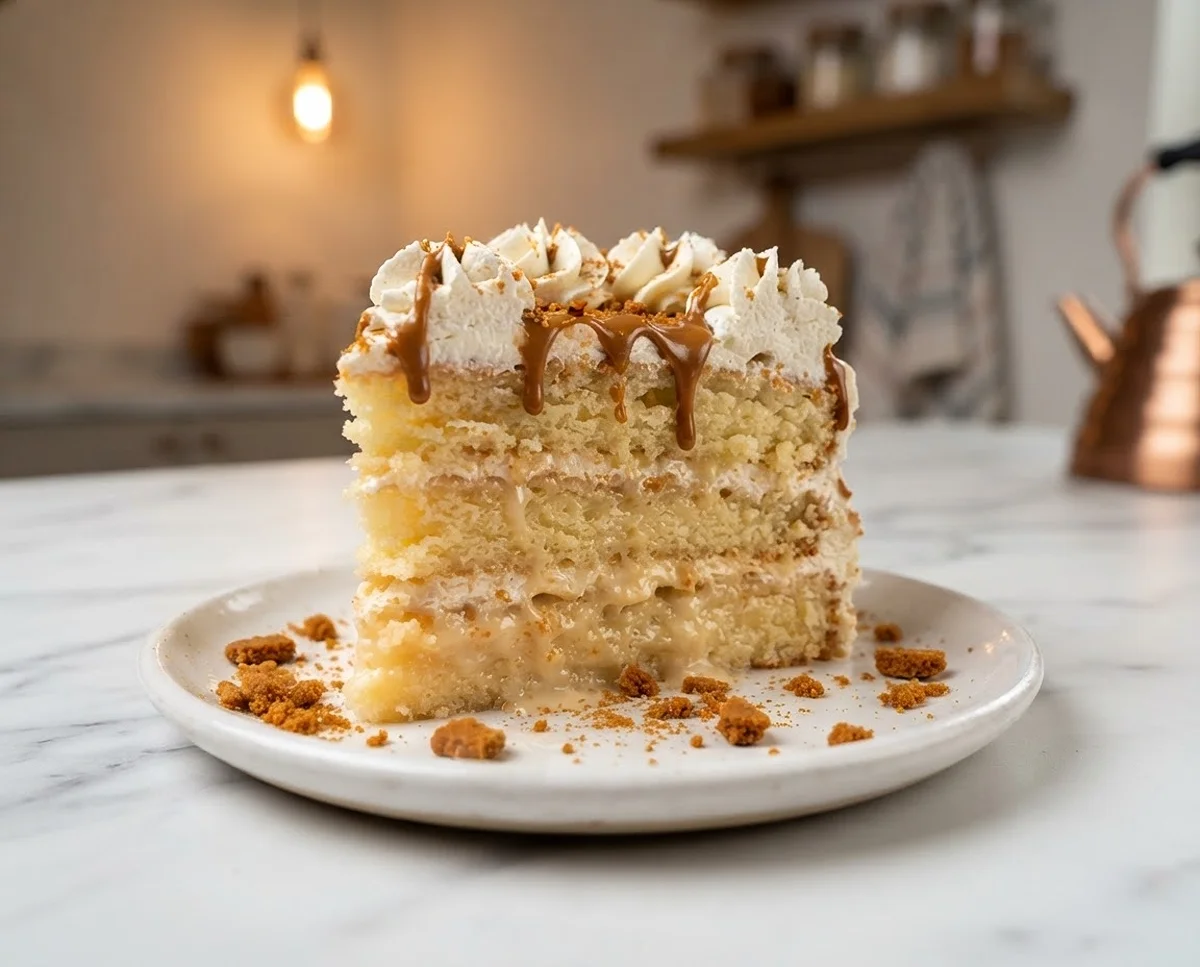
Lotus milk cake is a delicious twist on the classic tres leches cake, where a light sponge gets soaked in a mixture of three milks—condensed, evaporated, and cream. The genius addition here is melted Lotus Biscoff spread, which brings that signature caramelized, spiced cookie flavor into every bite. The cake itself is a simple egg-separated sponge that bakes up airy and tender, perfect for soaking up all that creamy goodness. It’s then topped with whipped cream and more Lotus drizzle, because why not?
This dessert sits somewhere between a traditional sponge cake and a pudding-like treat. It’s cold, creamy, and absolutely irresistible on a warm day or after a heavy meal.
Why You’ll Love This Lotus Milk Cake
This cake hits all the right notes. It’s sweet but not cloying, rich but somehow light, and the Lotus flavor is present without overwhelming everything. I love that you can make it a day ahead—honestly, it gets even better after sitting in the fridge overnight as all those flavors meld together.
The technique of separating eggs and folding in stiff whites gives you a sponge that’s sturdy enough to hold all that milk but still delicate and airy. And let’s talk about that topping—the whipped cream with a hint of Lotus creates this beautiful contrast to the soaked cake beneath it.
It’s also one of those recipes that looks way more complicated than it actually is. People will think you spent hours, but really, it’s just a few simple steps and some patience while it chills.
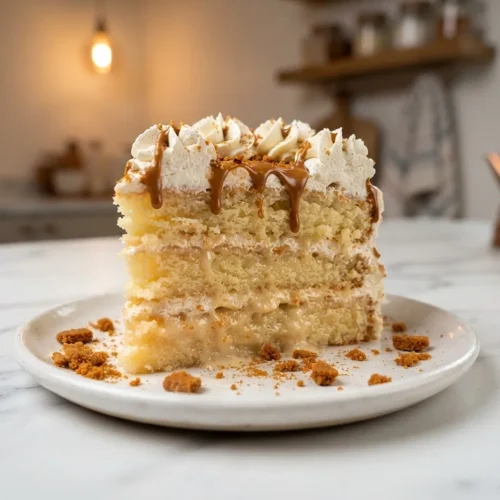
Lotus Milk Cake
Ingredients
For the Cake
- 3 eggs separated
- ¼ cup sugar
- ½ tsp vanilla
- ½ cup flour
- ½ tsp baking powder
For the Milk
- ½ can condensed milk
- 1 400 ml can of evaporated milk
- 170 gm tub cream
- ¼ cup Lotus melted
For Cream
- 1 cup whipping cream
- ¼ cup icing sugar
- 2-3 heaped tbsp Lotus
Instructions
- Preheat oven to 180 degrees. Keep a square pan or a small rectangular pan ready. Grease well.
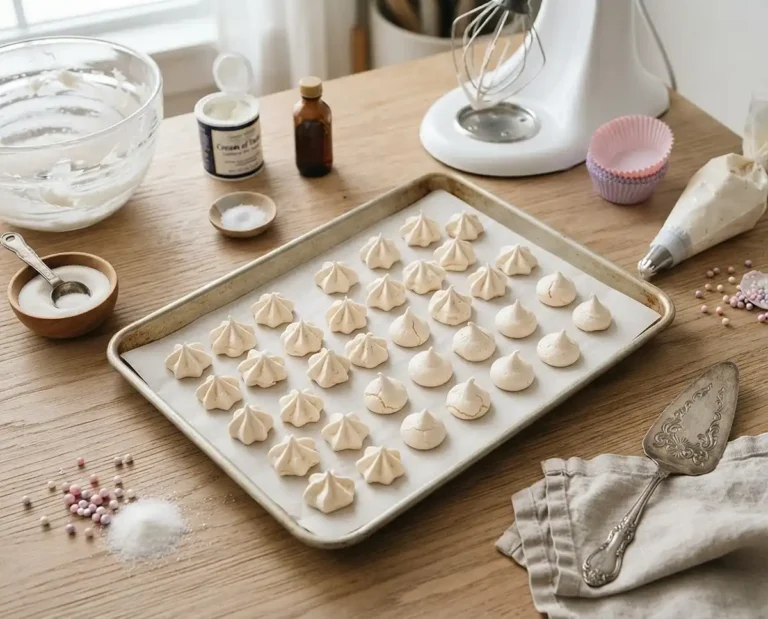
- Beat the egg whites along with a pinch of salt till stiff, in a clean bowl. When you tilt the bowl, the egg whites wouldn’t move. Set aside.
- In another bowl, beat the egg yolks and the sugar till pale and fluffy. Add the vanilla and beat.
- Sift in the flour and baking powder into the egg yolk mixture. Fold carefully into the batter till all combined.
- Now add the stiff egg whites and fold in gently, to avoid any deflating.
- Pour into the prepared pan and bake for 20 minutes or till the skewer comes out clean.
- Meanwhile blend all the ingredients under the “milk”.
- Allow to cool into the pan slightly. Poke holes all over the cake. Pour almost 3/4 of the milk mixture all over the cake allowing it to soak. Reserve the remaining.
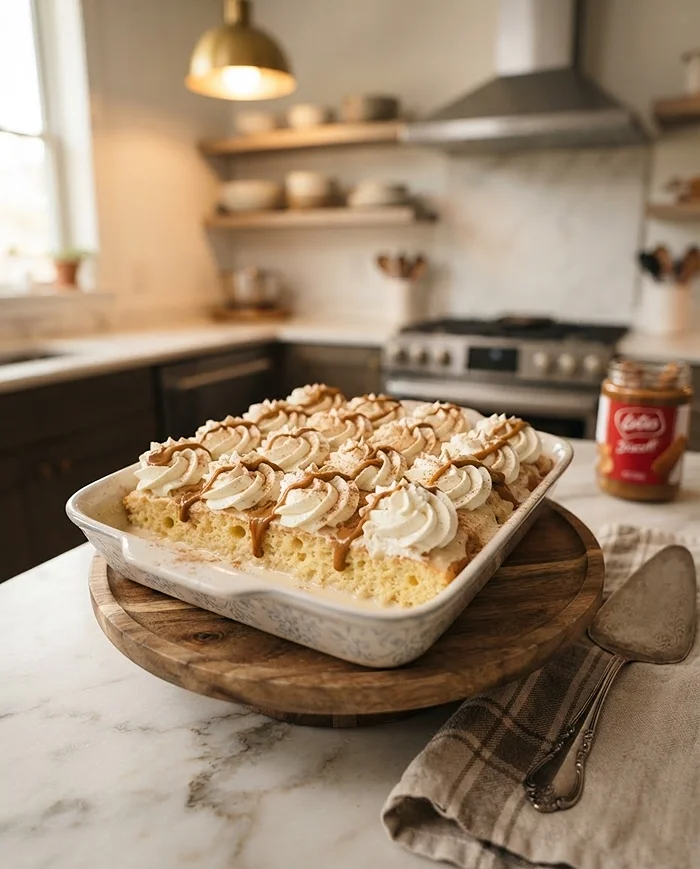
- Beat the whipping cream and icing sugar till stiff. Pipe onto the top of the milk cake. Drizzle the Lotus all over it.
- Cool for two hours till all settled.
- Serve as slices with the reserved milk.
Lotus Milk Cake Ingredients
This recipe breaks down into three parts: the sponge cake, the milk soak, and the cream topping. Each component is simple, but together they create something really special.
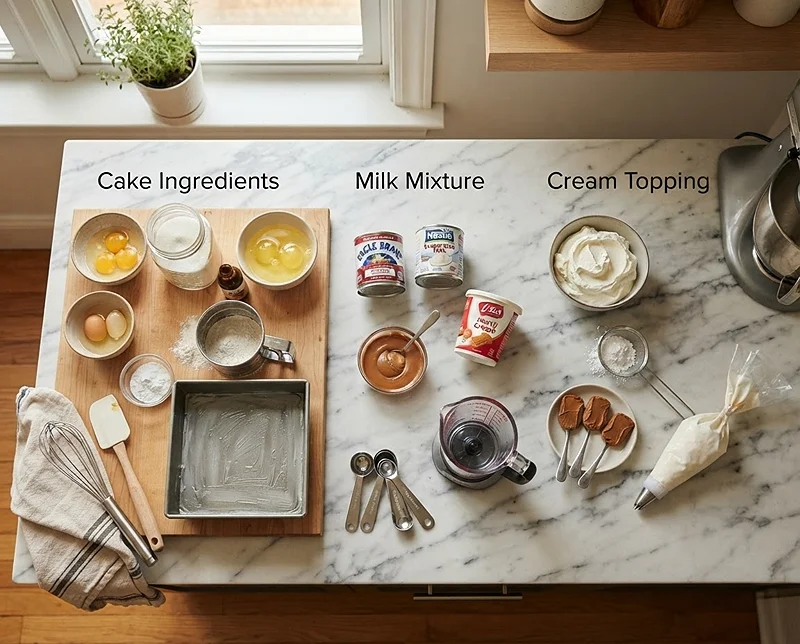
| Ingredient | Amount | Notes |
|---|---|---|
| Eggs (separated) | 3 | Room temperature works best for volume |
| Sugar | 1/4 cup | For the sponge batter |
| Vanilla extract | 1/2 tsp | Pure vanilla is worth it here |
| All-purpose flour | 1/2 cup | Sift for best results |
| Baking powder | 1/2 tsp | Fresh for proper lift |
| Salt | Pinch | For beating egg whites |
| For the Milk Mixture | ||
| Condensed milk | 1/2 can | Sweetened condensed milk |
| Evaporated milk | 1 can (400 ml) | Not the same as condensed |
| Cream | 170 gm tub | Heavy cream or thickened cream |
| Lotus Biscoff spread | 1/4 cup (melted) | Smooth or crunchy works |
| For the Topping | ||
| Whipping cream | 1 cup | Cold from the fridge |
| Icing sugar | 1/4 cup | Powdered/confectioners’ sugar |
| Lotus Biscoff spread | 2-3 heaped tbsp | For drizzling and folding in |
Special Ingredient Notes
The Lotus Biscoff spread is what makes this cake sing. If you’re not familiar with it, Lotus spread is made from those caramelized Belgian cookies (Biscoff or speculoos) and has this incredible spiced, almost toffee-like flavor. You can find it at most supermarkets near the peanut butter. I keep both the smooth and crunchy versions on hand—either works beautifully here, though smooth blends into the milk mixture more seamlessly.
For the condensed milk, you’ll only use half a can, so save the rest for your morning coffee or another baking project. Make sure you’re using sweetened condensed milk, not evaporated—they’re totally different products despite sitting next to each other on the shelf.
When it comes to eggs, room temperature ones separate more easily and the whites whip up with more volume. If you forget to take them out ahead of time, just place them in a bowl of warm water for five minutes.
Equipment You’ll Need
You’ll want two mixing bowls for separating your egg whites from yolks—make sure the one for whites is completely clean and dry, as even a drop of fat will prevent them from whipping properly. An electric mixer makes beating the egg whites much easier, though a determined person with a whisk and some arm strength can do it by hand.
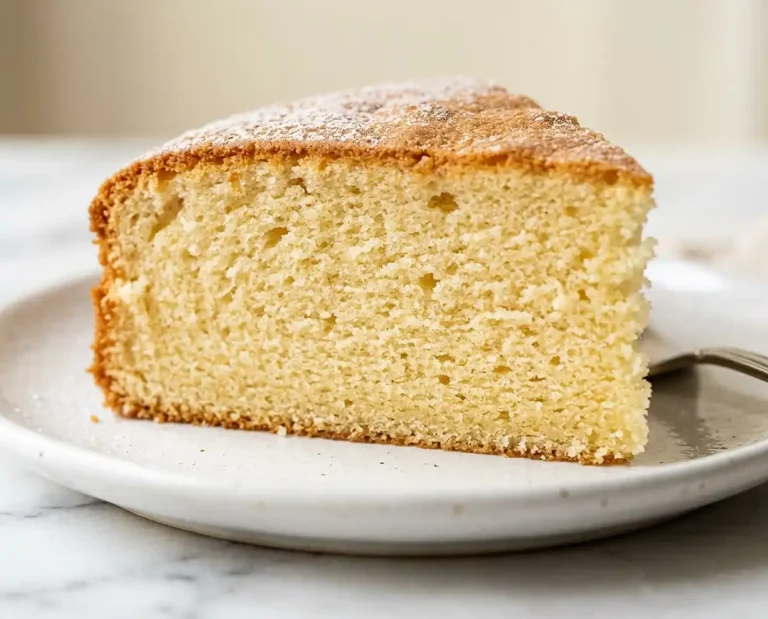
For the pan, use a square 8×8-inch pan or a small rectangular pan. I’ve made this in both, and it works perfectly either way. Just make sure to grease it well—I like using butter and a light dusting of flour, but cooking spray works too.
A skewer or toothpick is essential for poking those holes, and a blender makes the milk mixture silky smooth. You’ll also need a piping bag if you want those pretty cream swirls on top, though honestly, spreading it with a spatula works just fine too.
Lotus Milk Cake Instructions
Making this lotus milk cake how to make process easier than you might think. The key is taking your time with the egg whites and being gentle when folding everything together. Once it’s baked, the fun part begins—watching all that milk soak into the sponge is oddly satisfying.
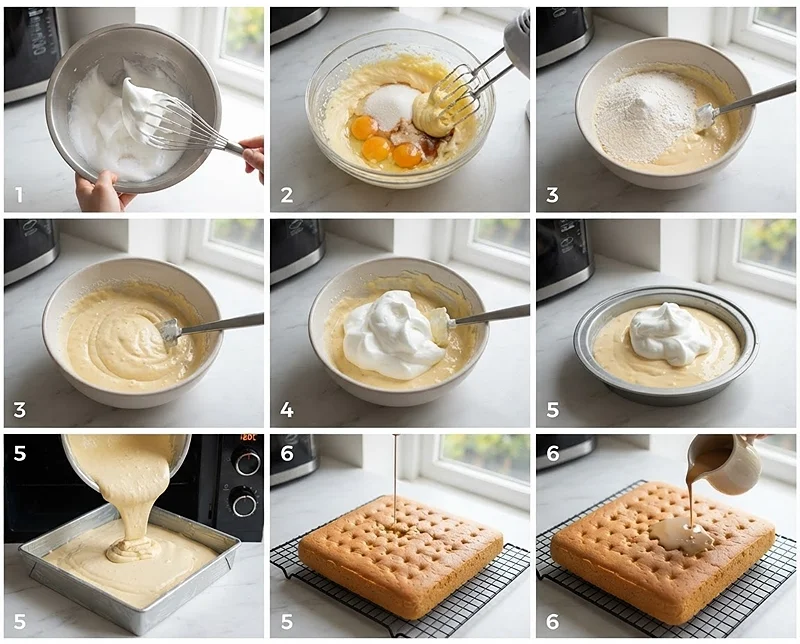
- Preheat and prepare: Set your oven to 180 degrees Celsius (350°F). Grease your square or small rectangular pan thoroughly with butter or cooking spray, making sure to get into all the corners. I like to give mine a light dust of flour too, tapping out any excess.
- Beat the egg whites: In a completely clean, dry bowl, add the egg whites and a pinch of salt. Using an electric mixer, beat on medium speed at first, then increase to high. You’re looking for stiff peaks—when you lift the beaters, the whites should stand straight up without drooping. When you tilt the bowl, nothing should slide around. This takes about 4-5 minutes with an electric mixer. Set this bowl aside.
- Work the egg yolk mixture: In another bowl, beat the egg yolks with the 1/4 cup sugar until the mixture turns pale yellow and fluffy—this should take about 3 minutes. The texture will be noticeably thicker and lighter in color. Add the vanilla extract and beat for another 30 seconds to incorporate.
- Add the dry ingredients: Sift the flour and baking powder together, then sift them again directly into the egg yolk mixture. This double sifting might seem fussy, but it really does make a difference in getting an airy sponge. Using a spatula, fold gently from the bottom of the bowl up and over, rotating the bowl as you go. Keep folding until you don’t see any more dry flour streaks, but don’t overmix—a few small lumps are fine.
- Fold in the egg whites: Add about a third of the stiff egg whites to the yolk mixture first. Fold gently to lighten the batter—this sacrificial portion makes it easier to fold in the rest without deflating everything. Now add the remaining egg whites and fold very gently using the same motion, cutting through the center and bringing the spatula up along the side. The goal is to keep as much air in there as possible. Some white streaks are okay—better slightly under-mixed than deflated.
- Bake the sponge: Pour the batter into your prepared pan, gently smoothing the top with a spatula. Tap the pan lightly on the counter once or twice to release any large air bubbles. Bake for 20 minutes, or until the top is golden and springs back when lightly pressed, and a skewer inserted into the center comes out clean. Don’t open the oven door for at least the first 15 minutes, or you risk the cake collapsing.
- Make the milk mixture: While the cake bakes, add the condensed milk, evaporated milk, cream, and melted Lotus spread to a blender. Blend until completely smooth and the Lotus is fully incorporated—you should have a lovely caramel-colored liquid with no streaks. Melting the Lotus first (I do 20-30 seconds in the microwave) helps it blend more smoothly.
- Soak the cake: When the cake comes out of the oven, let it cool in the pan for about 10 minutes—just until it’s warm rather than hot. Using a skewer, toothpick, or even a chopstick, poke holes all over the surface of the cake, spacing them about an inch apart. Go all the way to the bottom, and don’t be shy—the more holes, the better it soaks. Slowly pour about three-quarters of the milk mixture all over the cake, concentrating on areas that look drier. You’ll see it soak right in. Pour in stages if needed, letting each addition absorb before adding more. Reserve the remaining milk mixture in the fridge.
- Make the topping: In a clean bowl, beat the cold whipping cream with the icing sugar until you get stiff peaks. If you’re adding some Lotus directly into the cream, do it now—fold in 1-2 tablespoons for a marbled effect, or beat it in for a uniform color. Transfer to a piping bag fitted with a star tip, or just spread it on with a spatula for a more rustic look. Pipe or spread the whipped cream over the top of the soaked cake, then warm up those remaining 2-3 tablespoons of Lotus spread (microwave for 15 seconds) until it’s pourable and drizzle it artistically over the cream.
- Chill thoroughly: Cover the pan with plastic wrap or foil and refrigerate for at least 2 hours, though overnight is even better. This resting time lets the cake fully absorb the milk and all the flavors settle together. The texture transforms from cake to something wonderfully custardy.
- Serve and enjoy: Cut into squares and serve each slice with a spoonful of that reserved milk mixture drizzled over the top or pooled around the plate. The contrast of the cold, creamy cake with that extra milk is absolute perfection.
Expert Tips for Perfect Results
The biggest mistake people make with egg white cakes is not beating the whites enough or deflating them when folding. Your egg whites should be so stiff that you could literally turn the bowl upside down without them moving—I don’t actually recommend doing this over your workspace, but you get the idea. When folding, use a light hand and accept that your batter will look a bit streaky rather than perfectly smooth.
For the milk mixture, make sure your Lotus spread is truly melted and warm before blending. Cold Lotus won’t incorporate smoothly and you’ll end up with lumps. I usually microwave mine for 20-30 seconds, stir, then add to the blender.
When poking holes, really commit. I probably make 30-40 holes in my cake. More holes mean better, more even soaking. And pour that milk slowly—if you dump it all at once, it might pool on one side rather than soaking evenly.
The cake is actually better the next day, so if you’re planning for a party or dinner, make it the night before. The texture becomes even more luxurious and the Lotus flavor intensifies. Just don’t skip that chilling time—serving this warm would be a totally different (and less wonderful) experience.
Delicious Variations to Try
If you can’t find Lotus Biscoff spread or just want to try something different, peanut butter creates a fun twist, though the flavor profile changes significantly. You could also use Nutella for a chocolate-hazelnut version, or even dulce de leche for a more traditional tres leches vibe.
For a lighter cake base, you could try adding a tablespoon of cocoa powder to the sponge batter for a chocolate-Lotus combination. Reduce the flour slightly to compensate.
Some people like to add a splash of coffee to the milk mixture to enhance the Lotus flavor—about 2 tablespoons of strong brewed coffee works nicely. The coffee doesn’t make it taste like coffee exactly, but it deepens the caramel notes.
For extra crunch and visual appeal, crush some Lotus Biscoff cookies and sprinkle them over the whipped cream topping along with your drizzle. This adds textural contrast and makes the cake even more impressive-looking.
Troubleshooting Common Issues
If your cake comes out dense rather than light and airy, the most likely culprit is deflated egg whites. This happens when they’re not beaten stiff enough to start with, or when you fold too vigorously. Remember—better to have a few white streaks in your batter than to overmix trying to achieve perfect uniformity.
Cake sinking in the middle usually means either opening the oven door too early (wait at least 15 minutes) or the oven temperature being too low. Invest in an oven thermometer if you find your bakes consistently underdone—many ovens run cooler than their display indicates.
If the milk mixture isn’t soaking in properly, your cake might not be poked enough, or you might have waited too long to soak it. The cake should still be slightly warm when you add the milk. If it’s completely cooled, it becomes more difficult for the liquid to penetrate. You can warm it very gently in the oven for a few minutes if needed.
Soggy cake can happen if you use too much milk or if your sponge was too dense to begin with. Remember, you’re only using about three-quarters of the milk mixture initially—save that remaining portion for serving. If you accidentally pour it all in, don’t panic. It’ll just be a bit messier to serve, but still delicious.
Whipped cream that won’t stiffen is usually a temperature issue. Your cream must be cold, and on a hot day, I even chill my mixing bowl in the freezer for 10 minutes first. If your cream starts to look grainy, you’ve gone too far and it’s beginning to turn to butter—stop immediately and use what you have, or start over with fresh cream.
Lotus Milk Cake Storage Guidelines
This cake keeps beautifully in the refrigerator, which makes it perfect for make-ahead entertaining. In fact, I think it’s at its absolute best on day two or three when everything has really melded together.
| Storage Method | Duration | Notes |
|---|---|---|
| Refrigerator (covered) | 4-5 days | Cover tightly with plastic wrap or foil |
| Refrigerator (individual slices) | 4-5 days | Wrap each slice separately for grab-and-go |
| Freezer (not recommended) | Not advised | Texture changes significantly when thawed |
| Room temperature | Not recommended | Dairy-based; requires refrigeration |
Always keep this cake refrigerated due to the dairy content. The USDA recommends refrigerating desserts containing milk products within two hours of preparation. Cover the entire pan with plastic wrap or aluminum foil to prevent the cake from drying out or absorbing fridge odors. If you’re not sure about exact timing, the USDA food safety guidelines are always a good reference.
I don’t recommend freezing this cake. While technically you could freeze it, the texture becomes watery and separated when thawed. The whipped cream topping especially doesn’t handle freezing well. This is one of those desserts best enjoyed fresh (or fresh-ish) from the fridge.
If you want to prep ahead, you can bake the sponge a day early, wrap it well, and store at room temperature, then soak and top it the next day. This gives you a bit more flexibility without compromising the final texture.
Serving Suggestions
This lotus milk cake is rich enough to stand on its own, but I love serving it with that reserved milk mixture drizzled over each slice—it adds extra moisture and looks beautiful pooled around the plate. A light dusting of cinnamon or a few fresh berries can add color and cut through the sweetness.
It’s fantastic as a dinner party dessert because it’s completely done ahead of time, and you just slice and serve. No last-minute plating stress. If you’re going for maximum impression, serve it on individual plates with a mint leaf garnish and an extra drizzle of warmed Lotus spread.
This cake pairs wonderfully with strong coffee or espresso—the slight bitterness balances the sweetness perfectly. It’s also lovely with fresh berries on the side if you want to add a fruity element.
For portion sizes, a small square goes a long way since it’s quite rich. I usually cut my 8×8 pan into 12-16 pieces depending on the occasion. For a casual family dessert, bigger squares are fine, but for a dinner party, smaller portions look more elegant and ensure everyone has room to finish.
Lotus Milk Cake FAQs
What is lotus milk cake and what are the main ingredients needed?
Lotus milk cake is a delicious Indian dessert made with Lotus Biscoff cookies or spread combined with condensed milk and milk powder. The main ingredients include crushed Lotus Biscoff biscuits, condensed milk, milk powder, butter or ghee, and sometimes cardamom for flavoring. The Lotus Biscoff cookies give the cake its distinctive caramelized flavor.
Do I need to bake lotus milk cake or is it a no-bake recipe?
Lotus milk cake is typically a no-bake recipe, which makes it very convenient and easy to prepare. The mixture is cooked on the stovetop until it thickens and comes together, then poured into a greased pan to set. It needs to be refrigerated for several hours, usually 4 to 6 hours or overnight, until it becomes firm enough to cut into pieces.
How long does it take to make lotus milk cake from start to finish?
The active cooking time for lotus milk cake is about 15 to 20 minutes on the stovetop. However, you need to factor in setting time of 4 to 6 hours in the refrigerator. Overall, from preparation to being ready to serve, it takes approximately 5 to 7 hours, with most of that time being hands-off chilling time.
What consistency should the mixture be before pouring it into the pan?
The mixture should be cooked until it thickens considerably and starts leaving the sides of the pan. It should have a fudge-like consistency and form a soft mass that holds together. The mixture will continue to firm up as it cools and sets in the refrigerator. If you cook it too little, it won’t set properly; if overcooked, it may become too hard.
How should lotus milk cake be stored and how long does it last?
Lotus milk cake should be stored in an airtight container in the refrigerator to maintain its freshness and texture. When properly stored, it will last for about 1 to 2 weeks in the refrigerator. You can also cut it into individual pieces and store them separated by parchment paper to prevent sticking. It’s best served chilled directly from the refrigerator.
Final Thoughts on This Lotus Milk Cake
There’s something really special about making a cake that gets better as it sits—it takes all the pressure off timing and lets you actually enjoy the process. This lotus milk cake how to make guide hopefully demystifies any intimidation around egg-separated sponges or soaked cakes. The technique becomes second nature after your first attempt, and then you’ll find yourself making it for every occasion that calls for something a little impressive but secretly easy.
The Lotus flavor is nostalgic and comforting while still feeling a bit fancy, which is exactly the sweet spot I love to hit with desserts. It’s equally appropriate for a casual weekend treat or a more formal dinner party, and it feeds a crowd without breaking the bank or requiring any fancy equipment.
If you’re looking for more crowd-pleasing cakes that come together simply, check out this incredible layered cake that always gets compliments. It has the same make-ahead advantage that makes entertaining so much easier.
Give this lotus milk cake a try this weekend. Make it tonight, let it chill overnight, and serve it tomorrow when all those flavors have had time to become best friends. Then come back and let me know what you think—I’d love to hear how it turns out in your kitchen!