Yerba Mate Recipe
A refreshing yerba mate recipe that’s perfectly chilled, minty fresh, and ready in under five minutes—your new favorite way to beat the heat.
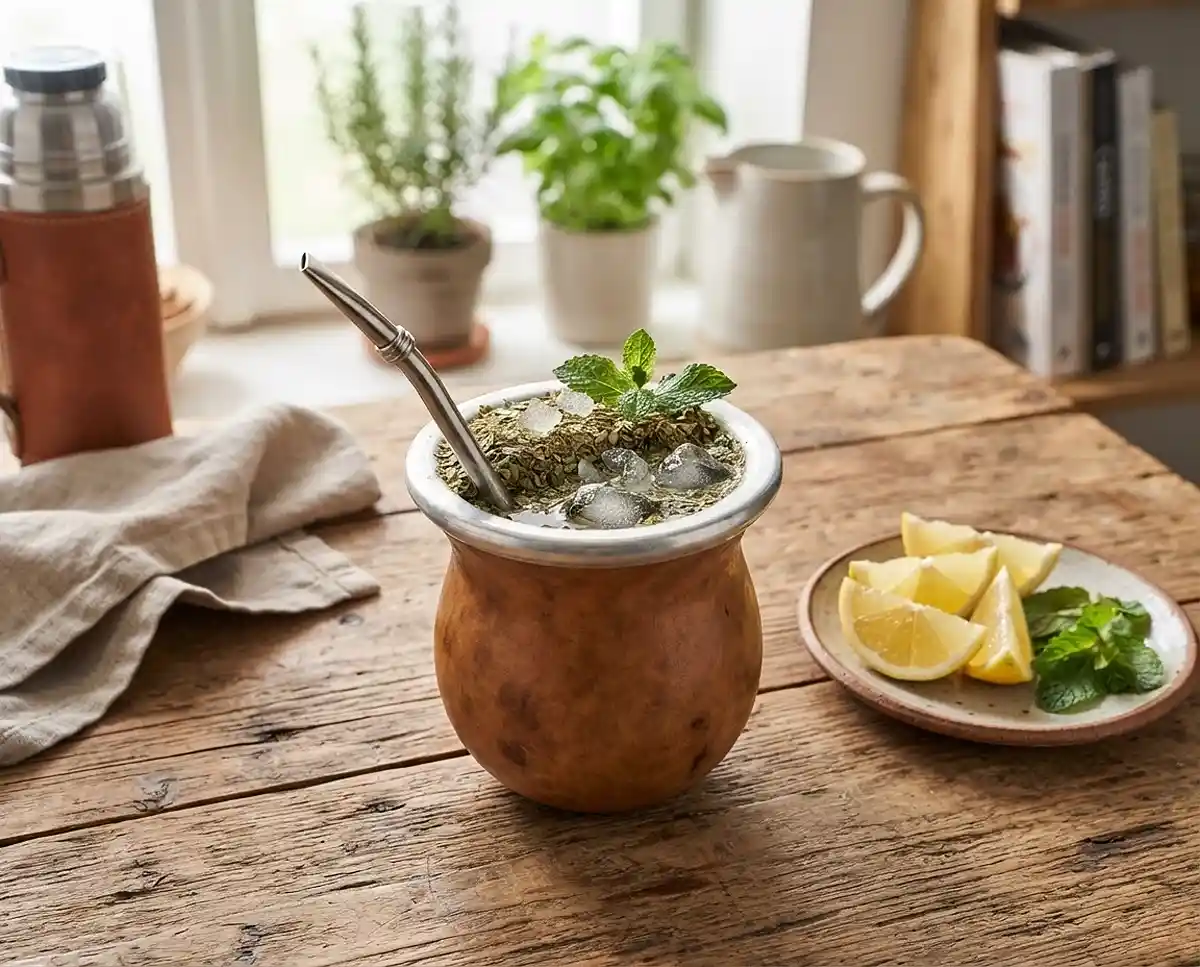
I’ll never forget the first time I tried tereré on a sweltering afternoon. Someone handed me a frosted glass filled with ice, bright green yerba, and the most refreshing herbal chill I’d ever experienced. It was like iced tea decided to wake up and actually do something. Now it’s my go-to summer drink, and I’m so excited to share this simple yerba mate recipe with you.
This isn’t your average hot mate ritual—this is tereré, the cold version that’s wildly popular in Paraguay and parts of Argentina and Brazil. It’s energizing, cooling, and honestly a little addictive once you get the hang of it.
Table of Contents
What Makes This Yerba Mate Recipe So Good
Tereré is basically yerba mate’s cool younger sibling. You get all the natural caffeine boost and earthy flavor of traditional mate, but served ice-cold with a hint of citrus and mint. It’s perfect for hot days when you need energy but the thought of hot tea makes you want to melt into the floor.
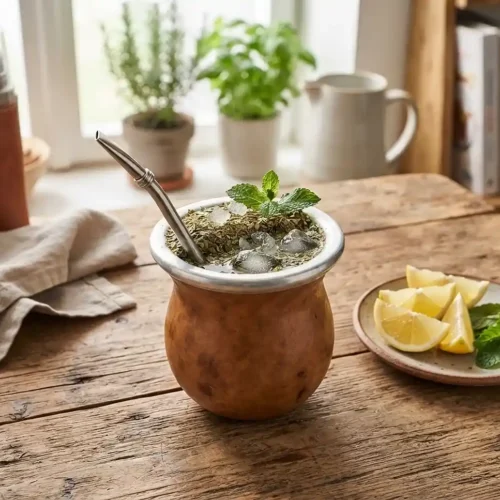
The best part? You don’t need fancy equipment or hard-to-find ingredients. A regular glass works just fine, though a traditional gourd adds a nice touch if you have one. The bombilla—that metal straw with a filter on the end—does make sipping easier and keeps the leaves out of your mouth, but we’ll get to that.
This yerba mate recipe comes together in minutes, gives you a steady energy lift without the jitters, and tastes like summer in a glass. Plus, you can refill it multiple times before the flavor fades, so you’re basically getting several drinks for the effort of one.
Yerba Mate Recipe
Ingredients
Ingredients
- 20 g yerba mate
- 200 ml cold water
- 5 cubes ice
- 1 tsp lemon
- 10 leaves mint
Instructions
- Add yerba to glass/gourd.
- Moisten with cold water; insert bombilla.
- Add ice and more cold water; sip.
- Refill with cold water as flavor fades.
Ingredients for This Yerba Mate Recipe
Let me walk you through what you’ll need to make the perfect glass of tereré. The ingredient list is short, but each piece plays an important role in building that refreshing, energizing flavor.
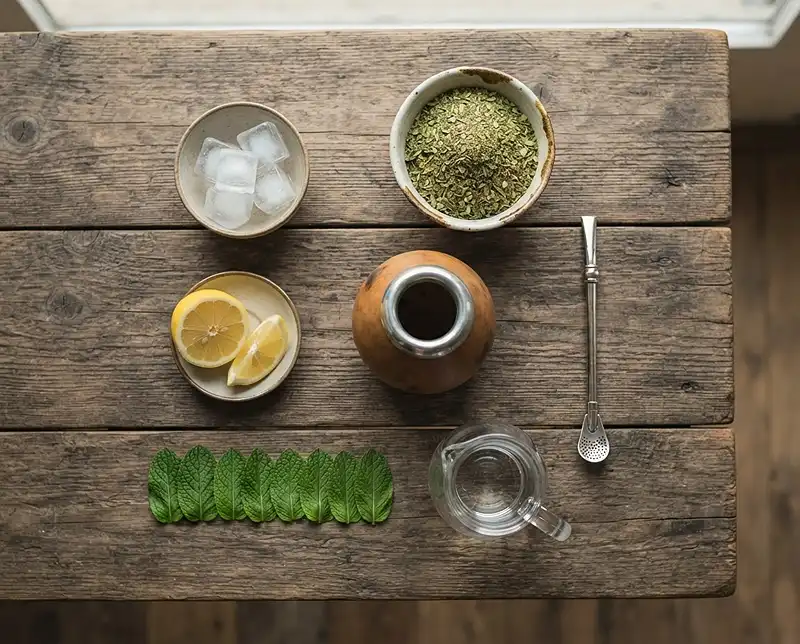
| Ingredient | Quantity | Notes |
|---|---|---|
| Yerba mate | 20 g | Look for loose leaf; brands like Kraus or La Merced work great |
| Cold water | 200 ml | Use filtered if your tap water has a strong taste |
| Ice cubes | 5 cubes | More if you like it extra cold |
| Lemon juice | 1 tsp | Fresh is best; adds brightness |
| Fresh mint leaves | 10 leaves | Bruise them lightly to release oils |
Yerba mate is the star here—it’s a South American herb from the holly family that’s been used for centuries for its energizing properties. It contains caffeine, but also theobromine and theophylline, which give you a smoother, more sustained energy compared to coffee. You’ll find it in most health food stores or online. Don’t confuse it with regular tea; yerba has its own distinct grassy, slightly smoky flavor.
The bombilla isn’t listed as an ingredient, but you’ll want one if you plan to make this regularly. It’s a metal straw with a filtered bottom end that lets liquid through while blocking the yerba leaves. You can find them online or at Latin American grocery stores for just a few dollars. If you don’t have one yet, you can use a regular straw and just be careful, or strain the yerba through a fine mesh as you pour.
Step-by-Step Instructions for Making Tereré
Making this yerba mate recipe is surprisingly easy once you understand the basic technique. Don’t overthink it—this is meant to be casual and refreshing, not fussy.
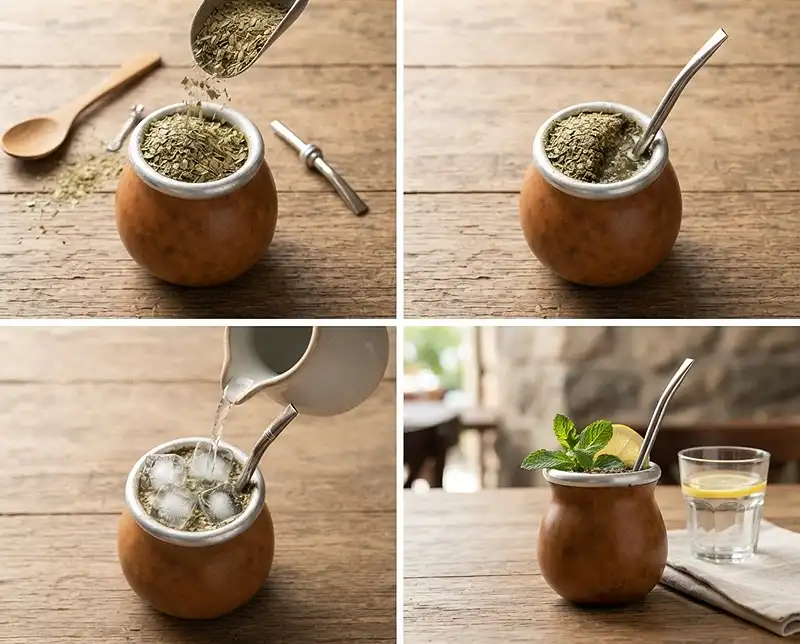
- Prepare your vessel and add the yerba. Use a traditional gourd, a wide glass, or even a mason jar. Add your 20 grams of yerba mate to one side of the container, then tilt the container at about a 45-degree angle so the yerba settles against one side, creating a little slope. This technique helps protect the leaves when you add water and gives you a spot to insert the bombilla.
- Moisten the yerba with cold water. Pour a small splash of cold water—maybe a tablespoon or two—directly onto the lower part of the yerba slope. This initial moistening helps the leaves swell slightly and settle into place, which prevents them from floating around and clogging your bombilla later. Let it sit for about 30 seconds to absorb.
- Insert the bombilla into the moistened area. Place your thumb over the top opening of the bombilla to create suction, then slide it into the empty space you created with your tilt, pushing it down until it reaches the bottom. The filtered end should rest at the base of the container. Once it’s in place, don’t move it around—you want the yerba to settle around the filter, not get stirred up.
- Add your ice cubes and flavor boosters. Drop in your 5 ice cubes, the fresh mint leaves (give them a gentle clap between your hands first to release their oils), and your teaspoon of lemon juice. These additions make tereré distinctly different from hot mate—the mint and citrus really shine when everything’s ice-cold.
- Pour in the remaining cold water and enjoy. Fill the container with the rest of your cold water, pouring gently along the side where the bombilla sits. The water should reach near the top but not overflow. Now here’s the fun part: sip slowly through the bombilla. You’ll taste the earthy yerba, bright lemon, and cooling mint all at once. Drink it down, enjoying each cold, refreshing pull.
- Refill as the flavor fades. One of the best things about this yerba mate recipe is that you can keep refilling it. When you’ve drunk most of the water, simply add more cold water—you can add more ice too if it’s melted. The yerba will continue releasing flavor for several refills. Typically, you can get 3-5 good rounds before it starts tasting washed out. When it loses its character and just tastes like vaguely herbal water, it’s time for a fresh batch.
Expert Tips for the Best Tereré
After making this countless times on hot afternoons, I’ve picked up a few tricks that make a real difference.
First, water temperature matters more than you’d think. Use properly cold water—not room temperature water with ice added. The yerba releases different flavor compounds at different temperatures, and cold water brings out a smoother, less bitter taste. I keep a pitcher of filtered water in the fridge specifically for this.
Don’t skip the moistening step. I know it seems extra, but that initial splash of water really does help the yerba settle and prevents it from floating up through your bombilla. The first time I skipped it, I spent five minutes trying to drink around floating leaf bits.
The quality of your yerba mate makes a noticeable difference. Cheap, dusty yerba can taste harsh and give you a gritty texture. Look for brands that specify they’re for tereré or that have a coarser cut. My personal favorites are Kurupí and Pajarito, but experiment to find what you like.
Bruise your mint leaves before adding them. Just give them a firm clap between your palms or rub them gently. This breaks the cell walls and releases those aromatic oils that make the drink so refreshing.
If you’re new to yerba mate, start with a smaller amount—maybe 15 grams instead of 20. The caffeine content can surprise people, and some find the earthy flavor intense at first. You can always add more as you develop a taste for it.
Variations to Try
Once you’ve mastered the basic yerba mate recipe, there’s a whole world of flavor combinations to explore. These variations keep things interesting without complicating the simple base recipe.
Citrus Blast Tereré: Skip the lemon and add a mix of fresh orange and lime juice instead—about a teaspoon of each. The orange adds sweetness while the lime brings tang. Some people also add thin slices of the fruit directly to the glass for extra visual appeal.
Herbal Garden Version: Along with or instead of the mint, try adding basil, lemongrass, or fresh ginger. Basil gives it an interesting almost Thai-inspired quality, while ginger adds a spicy warmth that contrasts nicely with the ice.
Fruity Tereré: Muddle a few berries—strawberries, blueberries, or raspberries—in the bottom of your glass before adding the yerba. The fruit juices mingle with the mate for a naturally sweet, colorful drink. This is my favorite way to use up berries that are getting a little too soft.
Coconut Water Base: Replace half the cold water with coconut water for a tropical twist that also adds electrolytes. This is fantastic after a workout or on particularly hot days when you need extra hydration.
Sweetened Version: Traditional tereré is unsweetened, but if you’re transitioning from sugary drinks, add a small amount of honey or agave before adding the water. Just know that sugar can alter the traditional experience and isn’t necessary once you acquire the taste for pure yerba.
For more refreshing recipes perfect for warm weather, check out my collection of all recipes, including these giant bang bang summer rolls that pair perfectly with cold mate.
Troubleshooting Common Issues
Even with a simple recipe like this, a few things can go sideways. Here’s how to fix the most common problems.
My bombilla keeps getting clogged. This usually means you’re using yerba that’s too finely ground, or you didn’t moisten the leaves before inserting the straw. Try using a coarser cut of yerba specifically labeled for tereré, and make sure you’re doing that initial moistening step. Also, once your bombilla is in place, resist the urge to stir or move it around—that just stirs up sediment.
The flavor is too weak. You might not be using enough yerba, or you’re refilling too many times. Twenty grams should give you a good strong flavor; if you’re using less, increase the amount. Also, after about 4-5 refills, the yerba is pretty much spent. Start fresh rather than trying to squeeze more out of exhausted leaves.
It tastes bitter or harsh. This can happen if your water is too warm or if you’re using low-quality yerba mate. Make sure your water is properly cold, and consider switching brands to find a smoother option. Some yerba is aged longer, which reduces bitterness—look for that on the package.
There’s too much sediment in my drink. Some fine particles are normal and traditional, but if it’s excessive, you might be using a bombilla with holes that are too large, or you’re moving the straw too much after inserting it. A bombilla with finer filtration can help, as can being more gentle when you position it initially.
I’m getting jittery from the caffeine. Yerba mate contains about 85mg of caffeine per serving—similar to coffee. If you’re sensitive, try using less yerba, or switch to a blend that includes other herbs to dilute the caffeine content. Also, drinking it slowly over time rather than gulping it down can help your body process the caffeine more gradually.
Storage and Freshness Tips
Proper storage keeps your yerba mate fresh and flavorful for months. Here’s everything you need to know about storing both the dry herb and prepared drinks.
| Item | Storage Method | Duration |
|---|---|---|
| Unopened yerba mate | Cool, dark pantry in original packaging | Up to 2 years |
| Opened yerba mate | Airtight container, cool and dry | 3-6 months for best flavor |
| Prepared tereré | Not recommended; make fresh each time | Drink immediately |
| Fresh herbs (mint) | Damp paper towel in refrigerator | 5-7 days |
Store your dry yerba mate in an airtight container away from light, moisture, and strong odors. Yerba can absorb smells from nearby foods, so don’t keep it next to your onions or garlic. A dark pantry or cupboard works perfectly. I use a simple glass jar with a tight-sealing lid, but any airtight container will do the job.
Once exposed to air, yerba mate will gradually lose its potency and develop a stale flavor. This doesn’t happen overnight, but after six months you’ll notice the difference. Buy in quantities you’ll use within a few months rather than stocking up on huge bags unless you drink it daily.
Don’t try to save prepared tereré for later. The yerba continues releasing compounds into the water, and it can develop off flavors or become overly bitter if left sitting. Plus, the ice melts and dilutes everything. Just make it fresh when you want it—it only takes a few minutes anyway.
Your bombilla needs cleaning after each use. Rinse it thoroughly with hot water, running water through it from both ends to flush out any trapped leaves. Every few uses, I run a thin brush through mine or let it soak in hot water with a little baking soda to keep it fresh. According to the CDC’s food safety guidelines, keeping beverage equipment clean helps prevent bacterial growth, especially important with something you’re drinking directly from.
Yerba Mate Recipe FAQs
What is the traditional way to prepare yerba mate?
The traditional method involves filling a mate gourd about two-thirds full with yerba mate leaves, tilting it to create a slope, inserting a metal straw called a bombilla into the lower side, and pouring hot water (not boiling, around 150-180°F or 65-80°C) into the empty space. Let it steep for a moment before sipping through the bombilla. Refill with water multiple times to enjoy several rounds from the same leaves.
Can I make yerba mate in a regular tea infuser or French press?
Yes, you can prepare yerba mate using a tea infuser, French press, or tea bags. Add about 1-2 tablespoons of yerba mate per cup of hot water, let it steep for 3-5 minutes, then strain and enjoy. This method is convenient and works well if you don’t have traditional mate equipment, though it won’t provide the multiple infusions that the traditional method offers.
What temperature should the water be for brewing yerba mate?
The ideal water temperature for yerba mate is between 150-180°F (65-80°C). Water that is too hot or boiling can make the mate taste bitter and destroy some of the beneficial nutrients. Many mate enthusiasts heat water until small bubbles form but before it reaches a full boil. If you don’t have a thermometer, let boiling water cool for a few minutes before pouring.
How can I make iced yerba mate or tereré?
To make cold yerba mate, called tereré, prepare it the same way as hot mate but use cold or ice water instead. You can also brew a concentrated hot mate, let it cool, and pour it over ice. For added flavor, try adding fresh mint, citrus slices, or fruit juice. Tereré is especially popular in Paraguay and is refreshing during hot weather.
What can I add to yerba mate to improve the flavor?
You can customize yerba mate by adding honey, sugar, or stevia for sweetness. Popular flavor additions include lemon or orange peel, mint leaves, cinnamon sticks, ginger, or other herbs. Some people add milk to create a mate latte. In traditional settings, herbs like boldo, chamomile, or lemongrass are sometimes mixed with the yerba mate leaves before brewing for additional flavor and health benefits.
Time to Chill Out With This Yerba Mate Recipe
There’s something special about that first sip of ice-cold tereré on a hot afternoon. It’s refreshing in a way that goes beyond just being cold—it’s energizing, herbaceous, and somehow both invigorating and calming at the same time.
This yerba mate recipe has become one of my favorite summer rituals. I love making a glass in the early afternoon when I need a pick-me-up but don’t want the heaviness of coffee. The mint and lemon make it feel spa-like and special, even though it takes less than five minutes to prepare.
Give it a try this week. Grab some yerba mate, chill your water, and see what you think. I’d bet money you’ll be hooked by the second refill. And if you’re looking for more refreshing recipes to enjoy alongside your tereré, check out my ambrosia salad recipe or these chicken caesar smashed tacos—both perfect for warm weather gatherings.
Let me know how your first batch turns out! Are you a traditional purist or do you like adding extra flavors? Drop a comment and share your experience.