Best Greek Dense Bean Salad Recipe
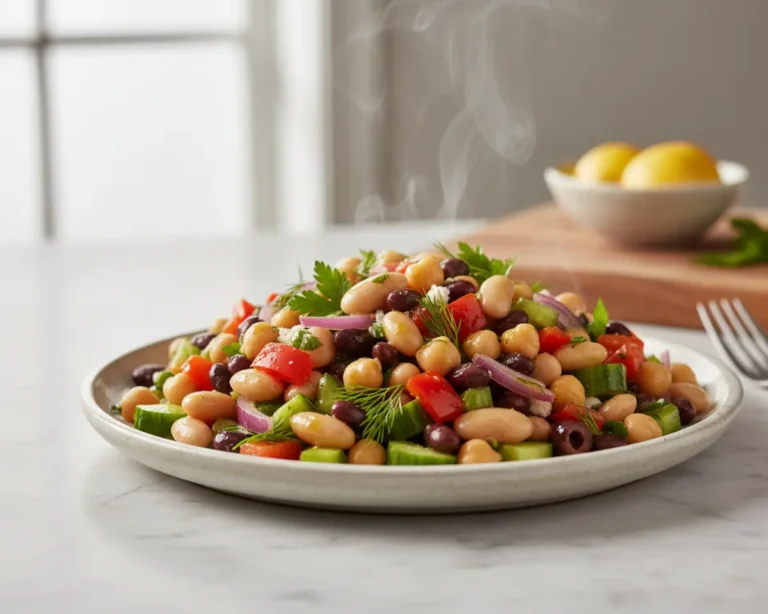
This Greek dense bean salad recipe combines creamy cannellini beans and chickpeas with crisp vegetables, briny olives, and a bright lemon-herb dressing for a satisfying Mediterranean meal.
I stumbled onto this salad during one of those “I need something healthy but filling” moments, and now it’s on repeat in my kitchen. It’s the kind of dish that tastes even better the next day, and honestly, I find myself eating it straight from the fridge with a fork.
What I love most is how the beans soak up all that tangy dressing while the vegetables stay crisp and fresh. It’s substantial enough to be a main course but light enough that you don’t feel weighed down afterward.
This Greek bean salad has the kind of bright, punchy flavor people make once and then keep craving all week—so if you’re still looking for a lunch that actually stays interesting, don’t let this one slip past you. There’s more where that came from in these fresh dense bean salad recipes.
Table of Contents
Why You’ll Love This Greek Dense Bean Salad Recipe
This easy dense bean salad recipe checks every box for a weeknight winner. You can pull it together in about 15 minutes of active work, and it feeds a crowd without breaking the bank.
The texture is what really sets it apart from other bean salads. You get that satisfying density from two types of beans, but then there’s the crunch from cucumber and bell pepper, the pop of cherry tomatoes, and those salty little bursts from the Kalamata olives.
It’s also ridiculously versatile. I’ve served it as a side dish at barbecues, packed it for lunch all week, brought it to potlucks, and even spooned it into pita pockets for a quick dinner. The protein from the beans keeps you full for hours, and the whole thing is naturally plant-based.
Plus, it actually improves as it sits. The flavors meld together in the fridge, and the onions mellow out beautifully. This is one of those rare recipes where doing the work ahead pays off in flavor.
Greek Dense Bean Salad
Ingredients
Salad Ingredients
- 1 can 15 ounces cannellini beans, rinsed and drained
- 1 can 15 ounces chickpeas, rinsed and drained
- 1 red onion thinly sliced
- 1 green bell pepper diced
- 1 cucumber diced
- 1 cup cherry tomatoes halved
- ½ cup Kalamata olives pitted and halved
- ¼ cup fresh parsley chopped
- ¼ cup fresh dill chopped
For the dressing
- ¼ cup extra virgin olive oil
- 2 tablespoons red wine vinegar
- 1 tablespoon fresh lemon juice
- 1 teaspoon dried oregano
- Salt and black pepper to taste
Instructions
- In a large bowl, combine the cannellini beans, chickpeas, red onion, green bell pepper, cucumber, cherry tomatoes, Kalamata olives, fresh parsley, and fresh dill.
- In a small bowl, whisk together the olive oil, red wine vinegar, lemon juice, dried oregano, salt, and pepper until well combined.
- Pour the dressing over the bean mixture and toss gently to coat all the ingredients.
- Cover the bowl and refrigerate for at least 30 minutes to allow the flavors to meld. For best results, chill for a few hours.
- Before serving, give the salad a final toss and adjust seasonings if necessary.
Ingredients
This healthy dense bean salad recipe relies on pantry staples and fresh produce you can find at any grocery store. The ingredient list might look long, but most of these are simple chop-and-toss items.
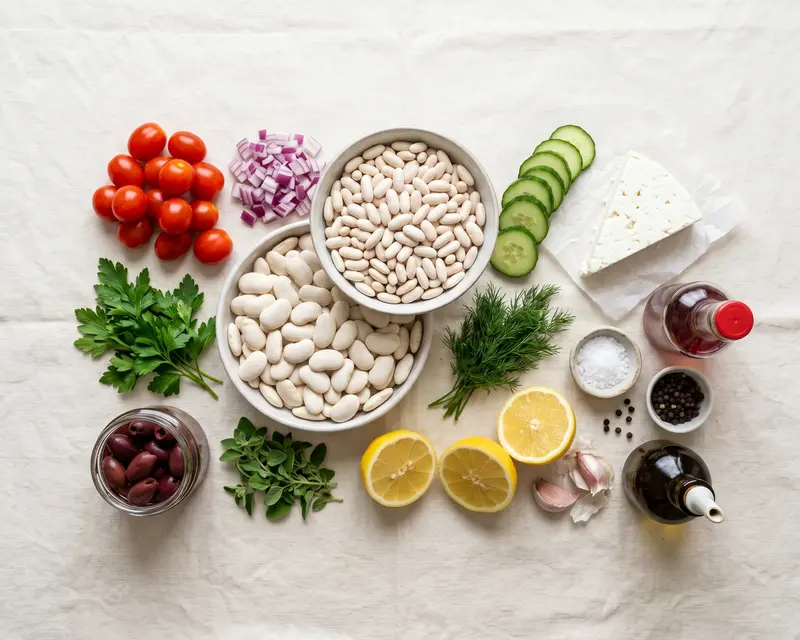
| Ingredient | Amount | Notes |
|---|---|---|
| Cannellini beans | 1 can (15 ounces) | Rinsed and drained; creamy white beans |
| Chickpeas | 1 can (15 ounces) | Rinsed and drained; adds texture |
| Red onion | 1, thinly sliced | Provides sharp, sweet flavor |
| Green bell pepper | 1, diced | Adds crunch and mild sweetness |
| Cucumber | 1, diced | Choose firm, fresh cucumber |
| Cherry tomatoes | 1 cup, halved | Juicy and sweet |
| Kalamata olives | 1/2 cup | Pitted and halved; essential for Greek flavor |
| Fresh parsley | 1/4 cup, chopped | Brightens the whole dish |
| Fresh dill | 1/4 cup, chopped | Classic Greek herb pairing |
| Extra virgin olive oil | 1/4 cup | Use quality oil for best flavor |
| Red wine vinegar | 2 tablespoons | Adds tangy backbone |
| Fresh lemon juice | 1 tablespoon | Brightens the dressing |
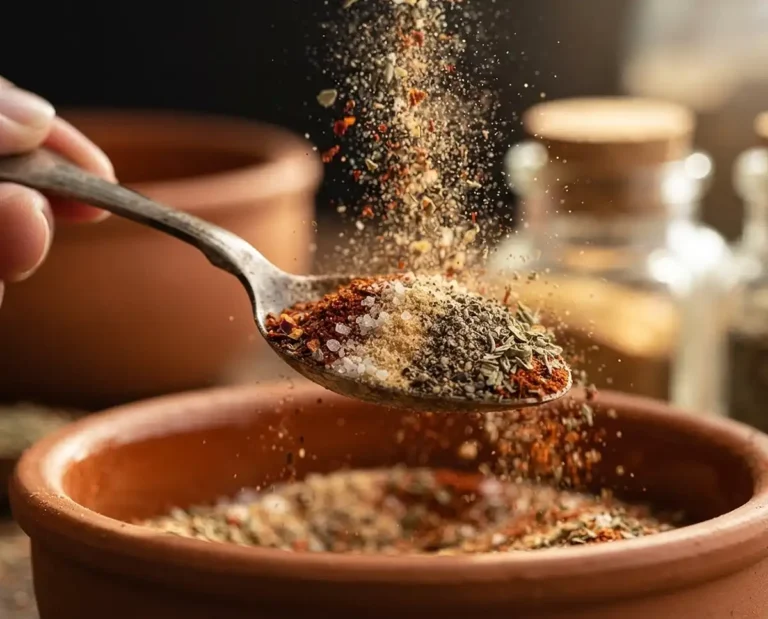
| Dried oregano | 1 teaspoon | Quintessential Greek seasoning |
| Salt and black pepper | To taste | Season generously |
The beans are the foundation here, and using two types creates a more interesting texture. Cannellini beans are buttery and soft, while chickpeas add a firmer, nuttier bite. Rinsing canned beans is crucial because it removes excess sodium and that slightly metallic canned taste.
For the vegetables, I always slice the red onion as thinly as possible. Those paper-thin slices soften in the dressing without becoming overwhelming. If raw onion makes you wince, you can soak the slices in cold water for 10 minutes before adding them to tone down the sharpness.
Don’t skimp on the fresh herbs. Dried just won’t give you the same bright, garden-fresh flavor. The combination of parsley and dill is traditional in Greek cooking, and they really make this salad sing.
Step-by-Step Instructions
This simple dense bean salad recipe comes together faster than you might think. The key is having all your vegetables prepped before you start assembling.
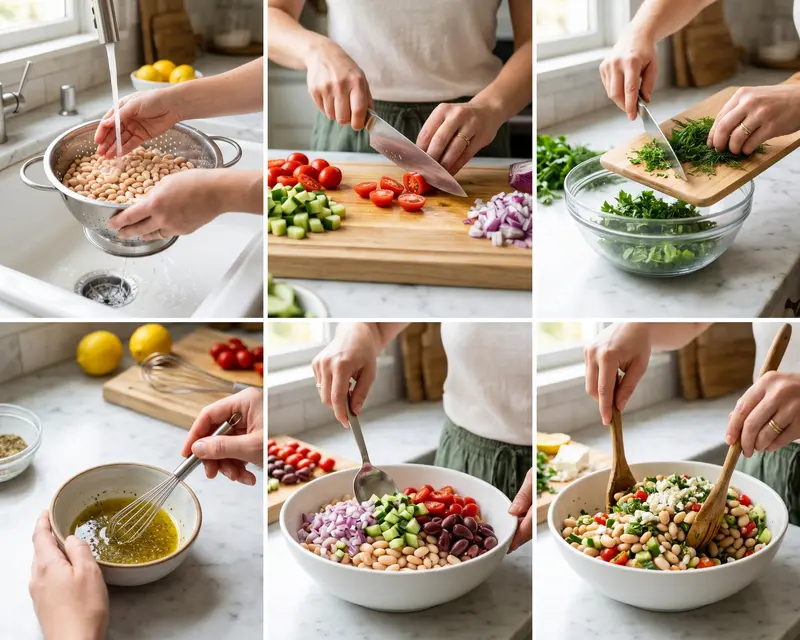
- Prepare your beans: Open both cans of beans and pour them into a colander. Rinse them thoroughly under cold running water, gently stirring with your hand to make sure all the beans get rinsed. Let them drain completely while you prep the vegetables. This step removes the starchy liquid and prevents your salad from becoming gummy.
- Chop the vegetables: Slice your red onion as thinly as you can manage, then dice the bell pepper and cucumber into bite-sized pieces about the same size as the beans. Halve the cherry tomatoes and pit and halve the Kalamata olives if they’re not already prepared. Chop the parsley and dill roughly, including some of the tender stems for extra flavor.
- Combine the salad base: In a large mixing bowl, add the drained cannellini beans and chickpeas along with all your prepped vegetables, olives, and fresh herbs. Don’t stir yet—you want to add the dressing first so everything gets coated evenly in one gentle toss.
- Make the dressing: In a small bowl or jar, whisk together the olive oil, red wine vinegar, fresh lemon juice, and dried oregano. Season generously with salt and several grinds of black pepper. Taste it on a piece of lettuce or cucumber if you want to check the balance. It should be bright and tangy with a good hit of olive oil richness.
- Dress and toss: Pour the dressing over the bean and vegetable mixture. Using a large spoon or spatula, gently fold everything together until all the ingredients are evenly coated with dressing. Be gentle here—you don’t want to mash the beans or bruise the tomatoes. You’re just bringing everything into contact with that flavorful dressing.
- Let it marinate: Cover the bowl with plastic wrap or transfer the salad to an airtight container and refrigerate for at least 30 minutes. This resting time allows the flavors to meld and the beans to absorb some of the dressing. If you can wait a few hours or make it the night before, you’ll be rewarded with even better flavor.
- Final touches before serving: Before you serve the salad, give it another gentle toss to redistribute the dressing that may have settled to the bottom. Taste and adjust the seasoning—you might want more salt, pepper, or a squeeze of fresh lemon juice. The cold temperature can dull flavors slightly, so don’t be shy about adding a little extra seasoning right before serving.
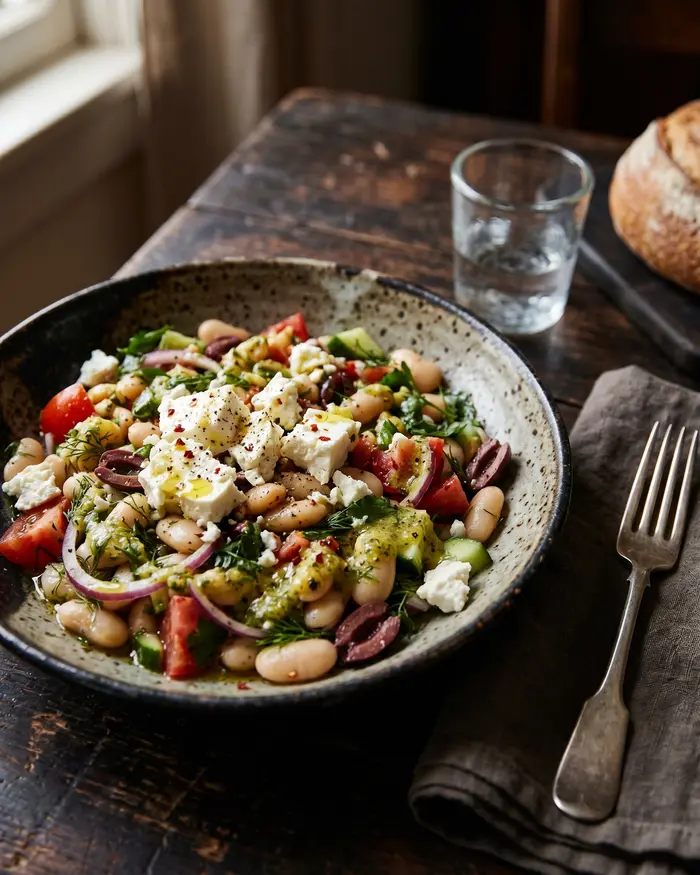
The salad is ready when everything looks glossy and well-coated, and you can smell that wonderful blend of herbs, lemon, and olive oil. It should look vibrant and inviting, with pops of red from the tomatoes and deep purple from the olives.
Expert Tips for the Best Dense Bean Salad Recipe
After making this salad more times than I can count, I’ve picked up a few tricks that make a real difference.
First, don’t skip the rinsing step with the beans. That cloudy liquid in the can contains excess salt and starch that can make your salad taste tinny and feel slimy. A good 30-second rinse under cold water makes a world of difference.
When it comes to the olive oil, this is one place where quality matters. You’re not cooking it, so you’ll taste it directly. A fruity, peppery extra virgin olive oil adds so much more character than a generic vegetable oil. You don’t need to break the bank, but choose something you’d be happy to dip bread in.
For slicing the red onion, use a sharp knife and cut across the grain to get those thin half-moons. If you’re sensitive to raw onion, try this trick: after slicing, put the onions in a small bowl, squeeze some lemon juice over them, and let them sit for 10 minutes. The acid mellows the sharpness without killing the flavor.
Temperature matters more than you might think. This salad is best served cool but not ice-cold. If you’ve had it in the fridge for hours, pull it out about 15 minutes before serving so the olive oil can loosen up and the flavors can wake up a bit.
The marinating time really isn’t optional if you want the best results. Thirty minutes is the minimum, but overnight is ideal. The beans will absorb the dressing, the onions will soften and sweeten, and everything will taste more cohesive.
If you’re taking this to a potluck, transport the dressing separately and toss it with the salad right before serving. This keeps everything crisp and prevents the salad from getting watery from the tomatoes releasing their juice.
Variations to Try
Once you’ve made this best dense bean salad recipe a few times, you’ll probably want to play around with it. That’s part of the fun.
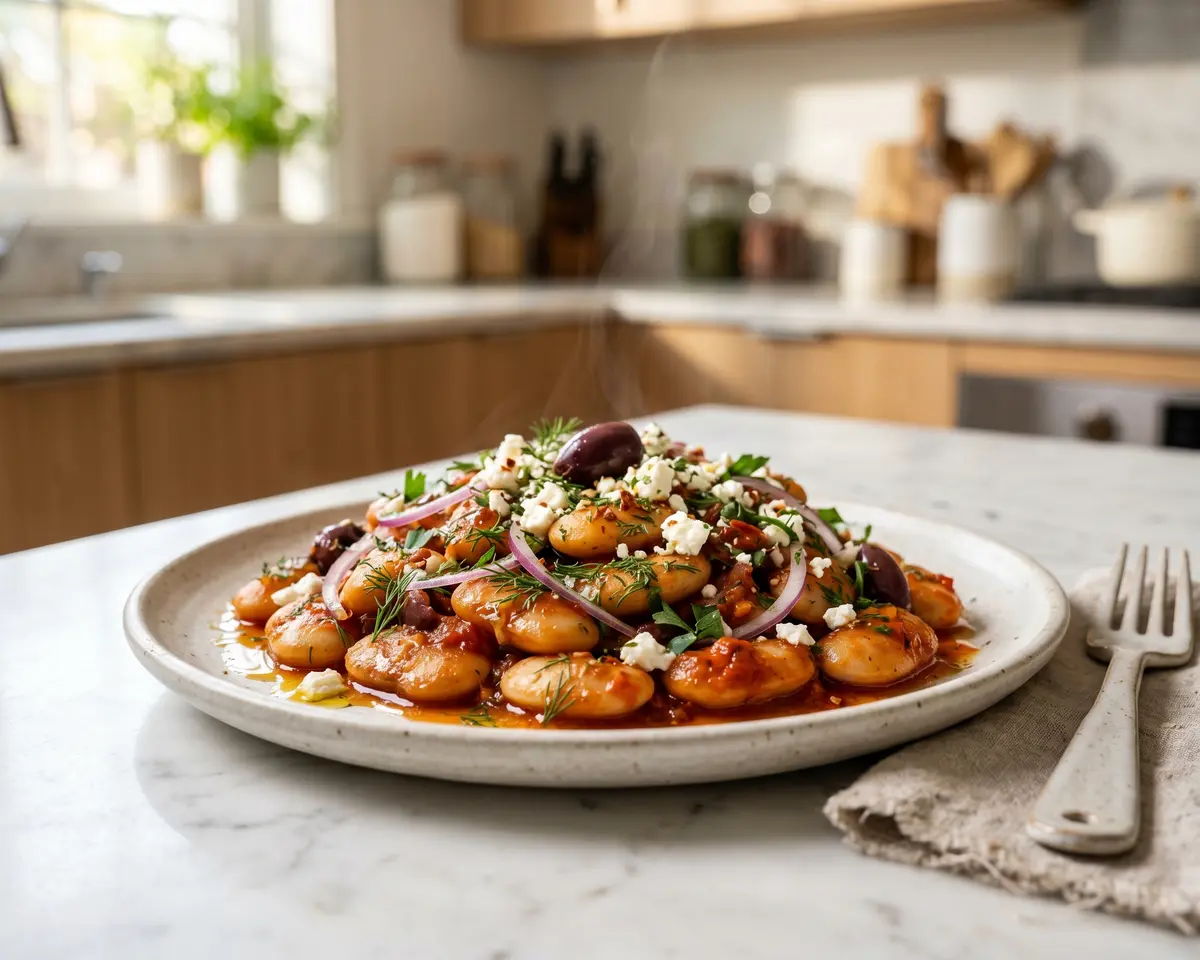
For a protein boost, crumble some feta cheese over the top right before serving. The salty, tangy cheese pairs beautifully with the beans and adds a creamy element. I usually add about half a cup of crumbled feta, but use as much or as little as you like.
You can swap out the bean varieties based on what you have on hand. Great northern beans work just as well as cannellini, and black beans or kidney beans give the salad a different color profile. I’ve even made this with a three-bean mix from the grocery store in a pinch.
Add some heat by tossing in sliced pepperoncini or a pinch of red pepper flakes in the dressing. The subtle kick pairs really well with the cooling cucumber and the richness of the beans.
For a heartier version, add some cooked quinoa or farro. About a cup of cooked grains mixed in makes this even more substantial and adds another textural element. Just make sure the grains are cooled completely before mixing them in.
Fresh herbs can be swapped around based on what you have. Mint is wonderful in place of the dill, and basil adds an Italian twist. Cilantro would take it in a completely different direction if you want to experiment.
Try adding some roasted red peppers from a jar for a smoky sweetness, or toss in some chopped artichoke hearts for a more substantial salad. Both of these additions feel very Mediterranean and work beautifully with the existing flavors.
You can check out this homemade lemon vinaigrette if you want to experiment with a slightly different dressing approach.
Troubleshooting Common Issues
Even simple salads can go wrong sometimes. Here’s how to fix the most common problems.
If your salad tastes bland, you probably need more salt. Beans absorb a lot of seasoning, so what seems like enough when you first mix it might not be adequate after it sits. Add salt in small pinches, toss, taste, and repeat until the flavors pop.
Watery salad happens when tomatoes or cucumber release their liquid. To prevent this, seed your cucumber by cutting it lengthwise and scooping out the seeds with a spoon before dicing. With cherry tomatoes, you can’t do much to prevent this, but you can drain off excess liquid before serving if needed.
If the dressing separates or pools at the bottom, that’s normal. Just give everything a good toss right before serving to redistribute it. The beans and vegetables will have absorbed some of the dressing as it sat, so you might want to add a small drizzle of fresh olive oil and a squeeze of lemon to freshen it up.
Raw onion too strong? Next time, soak the sliced onion in ice water for 10 minutes, then drain and pat dry before adding to the salad. This removes some of the sharp sulfur compounds that make raw onion so pungent.
If your salad seems dry after refrigeration, don’t worry. The beans absorb a lot of the dressing as they sit. Just add a tablespoon or two of olive oil and a splash of lemon juice, toss well, and it’ll come back to life.
Mushy beans mean you either over-mixed or the beans were overcooked to begin with. There’s not much you can do to fix mushy beans, but you can prevent it by folding gently when mixing and choosing quality canned beans that still have some structure.
Serving Suggestions
This Greek dense bean salad recipe is wonderfully versatile when it comes to serving.
As a main course, I like to serve it in a shallow bowl with some warm pita bread on the side for scooping. A dollop of thick Greek yogurt or tzatziki on top makes it feel more like a complete meal.
It’s perfect alongside grilled chicken, lamb, or fish. The bright, acidic flavors cut through rich meats beautifully. I’ve served it at countless summer barbecues next to grilled kebabs, and it always disappears first.
For a quick lunch, stuff it into a pita pocket with some lettuce and a smear of hummus. It holds up well without getting soggy, making it ideal for packed lunches.
Serve it as part of a Mediterranean mezze spread alongside this cucumber caprese salad, some stuffed grape leaves, olives, and feta cheese. It’s great party food because it can sit out at room temperature for a couple of hours without any food safety concerns.
If you’re looking for more salad inspiration, try pairing it with this radish salad for contrasting textures and flavors.
Storage and Make-Ahead Tips
One of the best things about this salad is how well it keeps, making it perfect for meal prep.
| Storage Method | Duration | Best Practices |
|---|---|---|
| Refrigerator | 4-5 days | Store in airtight container; stir before serving |
| Room temperature | 2 hours maximum | Keep covered; avoid direct sunlight |
| Freezer | Not recommended | Vegetables become mushy when thawed |
This salad actually tastes better on day two or three. The flavors have time to develop, and everything melds together into something more cohesive. I usually make it on Sunday and eat it throughout the week for quick lunches.
Store it in an airtight container in the refrigerator. Glass containers work particularly well because they don’t absorb odors and keep everything fresh. Make sure the lid seals tightly to prevent the herbs from wilting or the salad from drying out.
According to the USDA food safety guidelines, salads with fresh vegetables and beans should be refrigerated within two hours of preparation and can safely be stored for 3-5 days.
Before serving leftover salad, give it a good stir to redistribute the dressing. You might want to add a small drizzle of fresh olive oil or a squeeze of lemon juice to brighten up the flavors, since cold temperatures can dull them slightly.
If you notice any liquid pooling at the bottom of the container, that’s just water from the tomatoes and cucumber. You can either stir it back in or drain it off, depending on your preference.
Don’t freeze this salad. The high water content in the vegetables means they’ll turn mushy and unappetizing when thawed. The texture of the beans also suffers in the freezer.
For make-ahead purposes, you can prep all the vegetables and store them separately from the beans for up to 24 hours before assembling. Mix the dressing and store it separately as well. Then combine everything a few hours before you plan to serve it.
This approach is especially useful if you’re taking the salad to a gathering. You can do all the chopping at home, then quickly assemble everything when you arrive so it tastes fresh.
For more protein-packed salad ideas that store well, check out this chickpea feta avocado salad that uses similar ingredients.
Greek Dense Bean Salad Recipe FAQs
What dressing works best for Greek dense bean salad?
A homemade lemon vinaigrette is the perfect dressing for Greek dense bean salad, providing bright citrus flavors that complement the beans and vegetables. You can make your own using this homemade lemon vinaigrette salad dressing recipe.
The acidity from the lemon helps balance the richness of the beans and feta cheese while bringing all the Mediterranean flavors together beautifully.
Can I add other vegetables to Greek dense bean salad?
Absolutely! Cucumbers are a classic addition to Greek salads and pair wonderfully with beans. Try incorporating fresh cucumbers as featured in this easy cucumber caprese salad for inspiration.
Radishes also add a nice peppery crunch to bean salads. Check out this Gordon Ramsay radish salad recipe for ideas on preparing radishes for salads.
What type of beans should I use in Greek dense bean salad?
Traditional Greek bean salads often use gigantes beans or cannellini beans, but you can substitute with navy beans, great northern beans, or even chickpeas for variety.
If you want to try chickpeas instead, this chickpea feta avocado salad offers a delicious Mediterranean-inspired alternative with similar flavor profiles.
How long does Greek dense bean salad last in the refrigerator?
Greek dense bean salad stores beautifully and actually tastes better after the flavors have had time to meld together, typically lasting 3-4 days in an airtight container in the refrigerator.
For best results, add fresh herbs and a drizzle of lemon vinaigrette just before serving to refresh the flavors.
Can I make Greek dense bean salad ahead of time?
Yes, Greek dense bean salad is an excellent make-ahead dish and is perfect for meal prep, as the beans absorb the dressing flavors over time, making it even more delicious.
Similar to other Mediterranean salads like this chickpea feta avocado salad, you can prepare it up to 24 hours in advance for maximum flavor development.
Final Thoughts
This Greek dense bean salad recipe has earned a permanent spot in my regular rotation, and I think it will in yours too. It’s one of those rare dishes that’s truly easy to make but tastes like you put in way more effort than you actually did.
The combination of creamy beans, crisp vegetables, briny olives, and that bright, herbaceous dressing just works. It’s satisfying without being heavy, flavorful without being complicated, and healthy without tasting like diet food.
Whether you’re meal prepping for the week, bringing a dish to share, or just looking for something fresh and filling for dinner, this salad delivers. Plus, it gets better as it sits, which means you can make it ahead without any loss of quality.
Give this recipe a try this week, and don’t be surprised when you find yourself making it on repeat. Let me know how it turns out for you, and if you come up with any fun variations, I’d love to hear about them in the comments!