Homemade Cajun Seasoning Recipe
Make your own bold, flavorful Cajun seasoning in just minutes with pantry staples you probably already have—it’s fresher, cheaper, and so much better than store-bought.
I’ll be honest: once I started making my own Cajun seasoning, I couldn’t go back to the pre-made stuff. It takes about two minutes, costs a fraction of the price, and you can adjust the heat level to exactly what you like. Plus, you know exactly what’s going into your spice jar—no mystery ingredients or weird fillers.
This homemade Cajun seasoning recipe has become one of those kitchen staples I make on repeat. I keep a jar in my spice cabinet at all times because it makes everything from chicken and shrimp to roasted vegetables taste like they came straight from a Louisiana kitchen.
Table of Contents
Why You’ll Love This Cajun Seasoning Recipe
This spice blend hits all the right notes. It’s smoky, a little spicy, garlicky, and packed with the kind of complex flavor that makes you want to sprinkle it on absolutely everything.
You can control the heat level. If you’re not a fan of too much spice, cut back on the cayenne. If you love fire, add more. It’s completely customizable, which is something you just can’t do with a store-bought jar.
It’s also incredibly economical. Buying pre-made Cajun seasoning can cost you anywhere from five to ten dollars for a small container. When you make it yourself, you’re using spices you likely already own, and you end up with a bigger batch for way less money.
And here’s the thing—it’s not just for Cajun food. I use this blend on grilled chicken, in pasta dishes, mixed into mayo for sandwiches, and even sprinkled over popcorn. Once you have it on hand, you’ll find yourself reaching for it constantly.
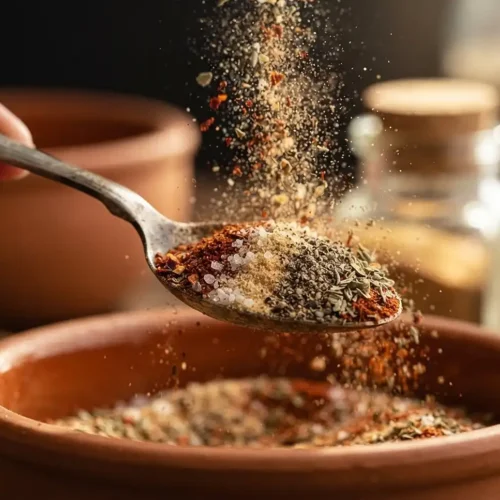
Cajun Seasoning Recipe
Ingredients
Ingredients
- 3 tablespoons paprika I prefer smoked paprika
- 2 tablespoons fine kosher salt
- 2 tablespoons garlic powder
- 1 tablespoon ground black pepper
- 1 tablespoon ground white pepper
- 1 tablespoons onion powder
- 1 tablespoon dried oregano
- 1 tablespoon cayenne
- ½ tablespoon dried thyme
Instructions
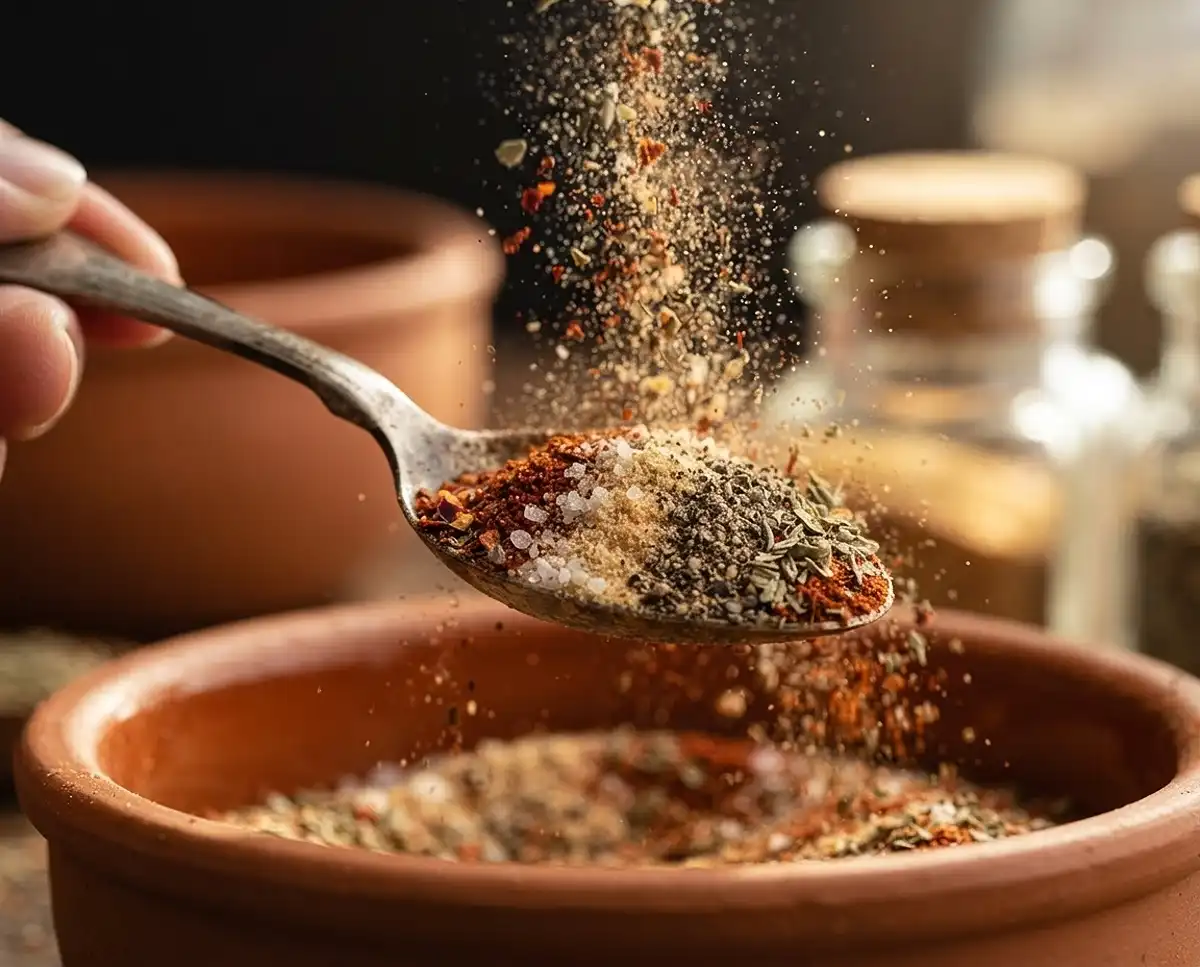
- Mix all ingredients together in a bowl or spice jar until evenly combined.
- Use immediately, or store in a sealed container for up to 1 year.
Ingredients for Homemade Cajun Seasoning
This blend uses common spices that work together to create that signature Cajun flavor. Each ingredient plays a specific role, so let’s talk about what’s going into your jar.
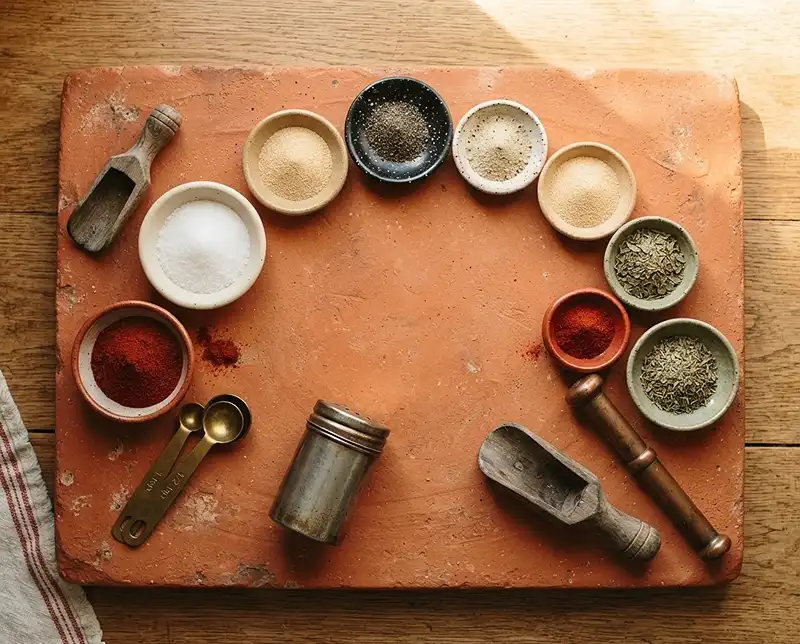
| Ingredient | Amount | Notes |
|---|---|---|
| Paprika | 3 tablespoons | I prefer smoked paprika for extra depth |
| Fine kosher salt | 2 tablespoons | Use fine, not coarse, for even distribution |
| Garlic powder | 2 tablespoons | Not garlic salt—just pure garlic powder |
| Ground black pepper | 1 tablespoon | Adds sharp, peppery bite |
| Ground white pepper | 1 tablespoon | Gives a different heat than black pepper |
| Onion powder | 1 tablespoon | Adds sweet, savory depth |
| Dried oregano | 1 tablespoon | Use dried, not fresh, for this blend |
| Cayenne pepper | 1 tablespoon | This is your heat source—adjust to taste |
| Dried thyme | 1/2 tablespoon | A little goes a long way |
The paprika is your base here—it gives the blend its color and a mild, slightly sweet pepper flavor. I really do recommend smoked paprika if you have it. It adds this gorgeous smoky undertone that makes the seasoning taste more complex and authentic.
Both black and white pepper are important. Black pepper gives you that sharp, familiar heat, while white pepper adds a different kind of warmth that’s a bit more earthy and fermented. Together, they create a layered spiciness that’s more interesting than either one alone.
The herbs—oregano and thyme—bring an earthy, slightly floral quality that balances out all the heat and savory notes. Don’t skip them. They’re what make this taste like Cajun seasoning and not just “spicy garlic powder.”
Step-by-Step Instructions for Cajun Seasoning
This is probably the easiest recipe you’ll ever make. Seriously, if you can measure and stir, you’re golden.
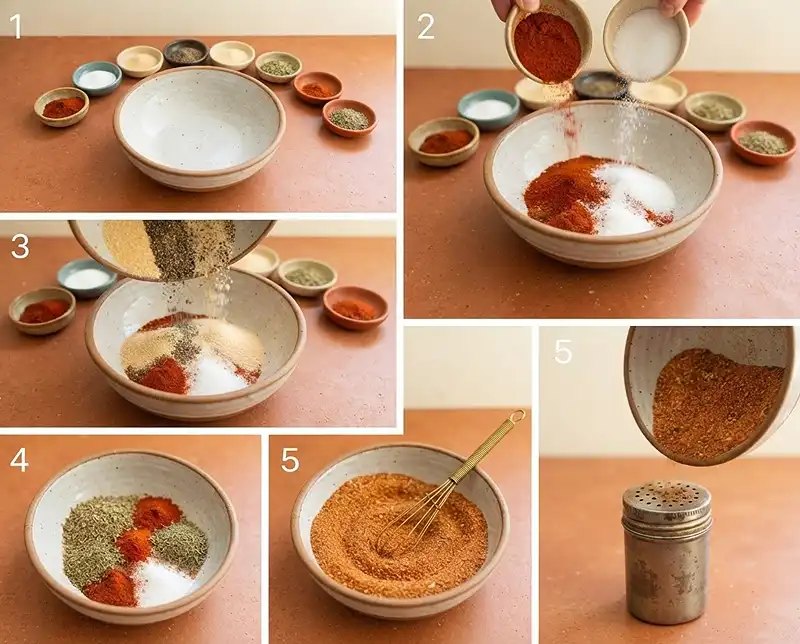
- Combine all the spices. Add the paprika, salt, garlic powder, black pepper, white pepper, onion powder, oregano, cayenne, and thyme to a medium bowl or directly into a clean spice jar with a lid.
- Mix thoroughly. If you’re using a bowl, whisk everything together until the colors are evenly blended and you don’t see any clumps. If you’re mixing in a jar, put the lid on tightly and shake it for about 30 seconds until everything is well combined.
- Store or use immediately. Transfer your Cajun seasoning to an airtight container if you mixed it in a bowl. Label it with the date, and you’re done. Use it right away on whatever you’re cooking, or tuck it into your spice cabinet for later.
The whole process takes maybe two minutes. I like to mix mine in a small mason jar because then I can just shake it up, and it’s already in a storage container. Plus, it looks cute on the shelf, which is a nice bonus.
Make sure everything is fully combined. You want every spoonful to have the same balance of flavors, so give it a really good mix or shake. If you see any pockets of cayenne or clumps of oregano, keep mixing.
Expert Tips for the Best Cajun Seasoning
Use fresh spices whenever possible. Spices lose their potency over time, so if your paprika or garlic powder has been sitting in your cabinet for three years, it’s probably time to replace it. Fresh spices will give you a much more flavorful blend.
Adjust the heat to your liking. The full tablespoon of cayenne gives you a moderately spicy seasoning—not blow-your-head-off hot, but definitely noticeable. If you’re cooking for kids or anyone who’s sensitive to spice, start with half a tablespoon and work your way up.
Toast your spices for extra depth. This is an optional step, but if you want to take your seasoning to the next level, try lightly toasting the whole spices in a dry skillet before grinding them. It brings out the oils and deepens the flavors. You can do this with the dried oregano and thyme, too, just for a few seconds until they smell fragrant.
Double or triple the batch. This recipe makes about three-quarters of a cup, which sounds like a lot until you start using it on everything. I usually double the recipe so I have enough to last a few months and to share with friends.
Store it in a dark, cool place. Heat and light degrade spices faster, so keep your Cajun seasoning in a cabinet away from the stove. A dark glass jar or opaque container works best.
Variations to Try
This base recipe is super versatile, and you can tweak it depending on what you’re cooking or what you have on hand.
For a smoky version, increase the smoked paprika to four tablespoons and add a teaspoon of chipotle powder. This works beautifully on grilled meats and vegetables.
Try a mild Cajun seasoning by cutting the cayenne in half and leaving out the white pepper. You’ll still get all the flavor without as much heat, which is perfect for family dinners.
Add lemon pepper for a bright, citrusy twist. Stir in a tablespoon of dried lemon zest or lemon pepper seasoning for a fresher, lighter take that’s amazing on seafood.
Make it low-sodium by reducing the salt to one tablespoon or omitting it entirely. You can always add salt to your dish separately if you’re watching your sodium intake.
For a herby version, add an extra tablespoon of dried thyme and a teaspoon of dried basil. This variation is lovely on roasted chicken and in soups.
Troubleshooting Common Issues
If your seasoning tastes too salty, you probably used coarse kosher salt instead of fine. Coarse salt has larger crystals that don’t distribute as evenly, so you end up with pockets of pure saltiness. Next time, use fine salt or reduce the amount slightly.
Is it too spicy? The cayenne is the likely culprit. You can’t really take the heat out once it’s mixed, but you can make a second batch without cayenne and blend the two together to mellow it out.
If your seasoning clumps up, it’s usually because of moisture. Make sure all your spices are completely dry before mixing, and store the blend in an airtight container with a small silica gel packet if you live in a humid climate.
Not flavorful enough? Your spices might be old. Check the dates on your jars and replace anything that smells weak or musty. Fresh spices make all the difference.
If the texture feels gritty, it’s likely the salt or the dried herbs. Using fine salt helps, and you can also pulse the finished seasoning in a spice grinder for a few seconds to create a finer, more uniform texture.
Ways to Use Your Homemade Cajun Seasoning
Once you’ve got a jar of this stuff ready to go, the possibilities are endless. Here are some of my favorite ways to use it.
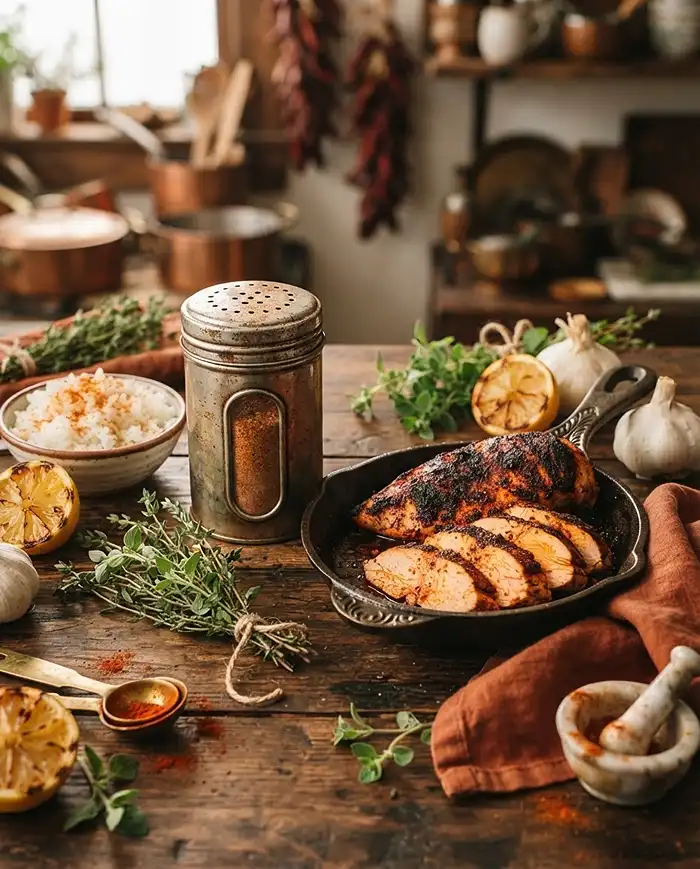
Sprinkle it generously over chicken breasts or thighs before grilling or baking. It forms this amazing crust that’s packed with flavor. I usually use about a tablespoon per pound of chicken.
Toss shrimp in a tablespoon of Cajun seasoning and a little olive oil, then sauté them in a hot skillet for a few minutes. You’ll have restaurant-quality shrimp in under ten minutes.
Stir it into rice while it’s cooking, or sprinkle it over roasted potatoes, sweet potatoes, or Brussels sprouts before they go into the oven. The seasoning caramelizes slightly and adds incredible depth.
Mix a teaspoon into mayonnaise or sour cream for an instant spicy dip or sandwich spread. It’s fantastic on burgers, wraps, or as a dip for fries.
Add it to scrambled eggs, omelets, or breakfast hash for a savory kick that’ll wake up your morning. Just a pinch goes a long way.
Use it in soups, stews, or gumbo for authentic Cajun flavor. Start with a tablespoon and add more to taste as it simmers.
Storage Instructions for Cajun Seasoning
Proper storage will keep your homemade Cajun seasoning fresh and flavorful for months. The good news is that it’s incredibly shelf-stable as long as you follow a few simple guidelines.
| Storage Method | Duration | Best For |
|---|---|---|
| Airtight container at room temperature | Up to 1 year | Everyday use |
| Glass jar in cool, dark cabinet | Up to 1 year | Maximum flavor retention |
| Freezer in sealed container | Up to 2 years | Long-term storage |
Store your Cajun seasoning in an airtight container—a small mason jar, a spice jar with a screw-top lid, or even a recycled spice container works great. Make sure the lid seals tightly to keep moisture out.
Keep it in a cool, dark place like a spice drawer or cabinet. Avoid storing it near the stove or in direct sunlight, as heat and light will cause the flavors to fade faster.
Label your jar with the date you made it. While the seasoning will technically last up to a year, it’s at its absolute best within the first six months. After that, the flavors will still be good, but they’ll gradually become less potent.
You can also freeze Cajun seasoning if you want to make a really big batch. Just portion it into small containers or freezer bags, and it’ll stay fresh for up to two years. It won’t freeze solid because there’s no moisture, so you can scoop out what you need without thawing.
According to the FDA guidelines on food storage, dried spices and seasonings should be stored in a way that prevents contamination and preserves quality, which means keeping them dry and sealed.
Cajun Seasoning Recipe FAQs
What are the essential ingredients in Cajun seasoning?
The essential ingredients in Cajun seasoning include paprika, cayenne pepper, garlic powder, onion powder, black pepper, white pepper, dried oregano, dried thyme, and salt. Some recipes also include red pepper flakes for extra heat. The paprika serves as the base, while the cayenne provides the signature spicy kick that Cajun seasoning is known for.
How spicy is homemade Cajun seasoning?
Homemade Cajun seasoning is moderately to significantly spicy, depending on how much cayenne pepper you use. The heat level can be easily adjusted to your preference by increasing or decreasing the amount of cayenne pepper and other hot peppers in the blend. For a milder version, reduce the cayenne to one teaspoon per batch. For extra heat, add more cayenne or include additional red pepper flakes.
How long does homemade Cajun seasoning last?
Homemade Cajun seasoning stays fresh for about 6 months when stored properly in an airtight container in a cool, dry place away from direct sunlight and heat. For best flavor, store it in a glass jar or spice container with a tight-fitting lid. Over time, the spices will lose their potency, so it’s best to make smaller batches and refresh your supply regularly for maximum flavor.
Can I use Cajun seasoning on foods other than seafood?
Absolutely! Cajun seasoning is incredibly versatile and works well on chicken, pork, beef, vegetables, rice, pasta, popcorn, and even roasted nuts. You can use it as a dry rub for grilled meats, sprinkle it on roasted vegetables, mix it into soups and stews, or add it to marinades and sauces. It’s also delicious on french fries, baked potatoes, and in egg dishes.
What is the difference between Cajun and Creole seasoning?
While both seasonings originate from Louisiana cuisine and share similar ingredients, Cajun seasoning tends to be spicier and more robust with a heavier emphasis on cayenne pepper and black pepper. Creole seasoning is typically milder and often includes additional herbs like basil and sometimes features more sweet paprika than hot paprika. Creole blends may also contain ground bay leaves or celery seed, giving them a slightly different flavor profile.
Final Thoughts
Making your own Cajun seasoning recipe at home is one of those small kitchen wins that makes a big difference. It’s quick, it’s affordable, and once you taste how much better it is than the store-bought version, you’ll wonder why you ever bought it in the first place.
This blend brings bold, authentic flavor to just about anything you cook. Whether you’re seasoning chicken, shrimp, vegetables, or even popcorn, it adds that irresistible Cajun kick that keeps everyone coming back for seconds.
Give this recipe a try and see for yourself how easy it is. Mix up a batch today, and you’ll have a go-to seasoning that makes every meal a little more exciting. And if you loved this, you’ll definitely want to check out my Berry Chantilly Cake, Heaven on Earth Cake, and Viral Box Cake recipes for more homemade goodness.
Let me know how it turns out for you—I’d love to hear what you season with it first!