Frozen Chicken Tender Casserole Recipe
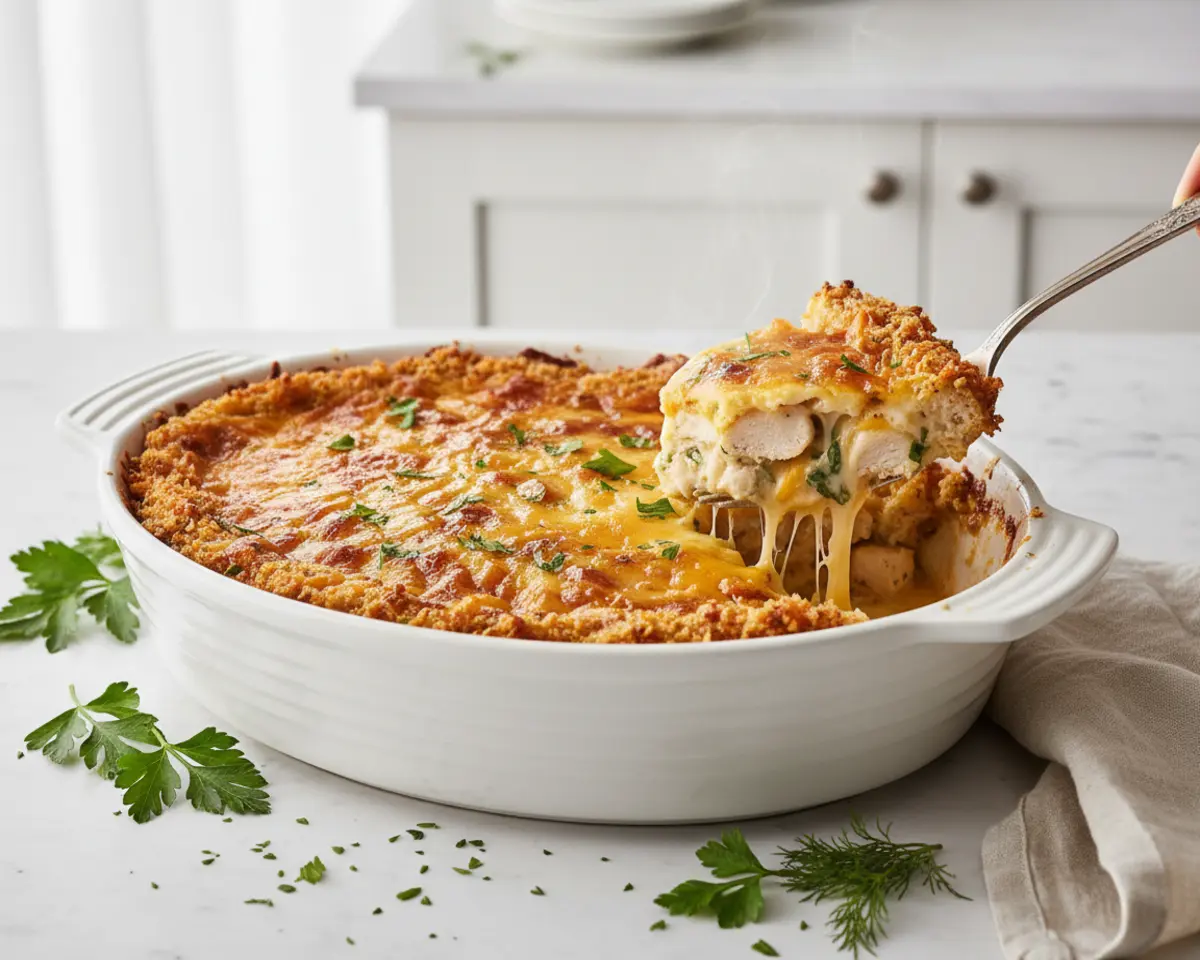
This frozen chicken tender casserole recipe transforms simple ingredients into a bubbly, cheesy weeknight dinner that’ll have everyone asking for seconds—no takeout required.
I stumbled onto this recipe on a Tuesday night when I had exactly zero energy to cook something complicated. I wanted the cozy, comforting flavors of chicken Parmesan but without the fuss of breading and frying individual cutlets and trying to keep them all warm. So I decided to turn the whole thing into a casserole, and honestly? It’s become one of my go-to dinners when I need something hearty that feels a little fancy but doesn’t require a culinary degree.
Table of Contents
Quick Answer: What Makes This Frozen Chicken Tender Casserole Recipe Special?
I have a feeling you’ll love what’s next. The Casseroles & Slow-Cooker favorites are packed with recipes that disappear fast at every gathering. Go check them out before someone else snags them!
This frozen chicken tender casserole recipe combines crispy breaded chicken strips with tender rigatoni pasta, rich marinara sauce, and loads of melted mozzarella and Parmesan cheese. It’s essentially a deconstructed chicken Parmesan casserole that bakes into one glorious dish. You get all the crispy, saucy, cheesy goodness without the hassle of plating individual portions, and it feeds a crowd beautifully.
The secret is breading and pan-frying the chicken first to get that golden crust, then layering everything together so the flavors meld while the cheese gets all bubbly and brown on top.
Why You’ll Love This Chicken Parmesan Casserole
Let me tell you why this dish has earned a permanent spot in my dinner rotation. First off, it’s make-ahead friendly. You can prep the whole thing in the morning, cover it, and just pop it in the oven when you’re ready to eat.
The texture contrast is absolutely perfect. You’ve got crispy chicken on the outside that stays tender inside, pasta that soaks up all that marinara goodness, and a cheese topping that gets those irresistible golden-brown spots. My kids call those “cheese crunchies” and fight over who gets the corner pieces.
It’s also a fantastic way to use pantry staples. I always keep pasta, marinara, and breadcrumbs on hand, and chicken breasts are usually in my freezer. On nights when I haven’t planned ahead, this recipe still happens without a special grocery run.
Plus, it reheats beautifully. Leftover casserole for lunch the next day? Yes, please. The flavors actually deepen overnight, which is a bonus I wasn’t expecting the first time I made it.
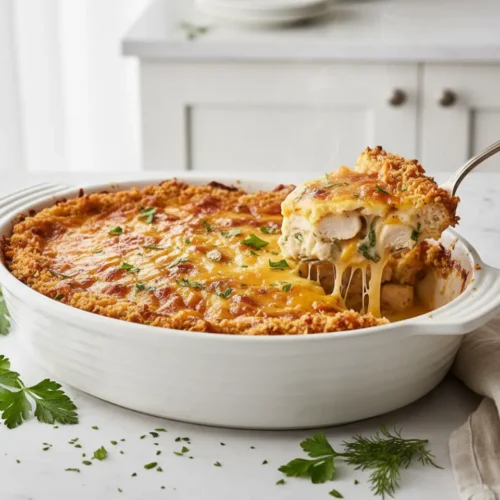
Frozen Chicken Tender Casserole
Ingredients
Ingredients
- ¾ pound rigatoni pasta
- 32 oz. marinara sauce or up to 48 oz. for saucier pasta
- 3 cups shredded mozzarella cheese divided
- ⅓ cup grated Parmesan cheese divided
- 2 small boneless skinless chicken breasts
- ¾ cup flour
- 2 teaspoons seasoned salt
- ¼ teaspoon pepper
- 2 eggs
- 1 ½ cups Italian breadcrumbs
- ¾ cup vegetable oil
- 2 Tablespoons butter
- Fresh Parsley to garnish
Instructions
- Tip: Bread the chicken while you wait for your pasta water to boil and for the pasta to cook.
- — Prepare the Pasta —
- Boil water and cook the rigatoni for 1 minute less than al dente- (Refer to package for cooking time).
- When the pasta is ready, drain it add it back to the pot. Toss with 32 oz. of sauce, 2 tbsp. of Parmesan cheese, and 1 cup of the mozzarella. Set aside.
- — Prepare the chicken —
- Pat the chicken dry with paper towels and cut into strips about ½ inch thick.
- Create an assembly line for breading the chicken:
- Bowl #1: 3/4 cup flour + 2 tsp seasoned salt + 1/4 tsp pepper.
- Bowl #2: 2 whisked eggs.
- Bowl #3: 1.5 cups breadcrumbs
- Dredge the chicken in the flour mixture, then briefly in the whisked eggs, then smother them in the breadcrumb mixture until completely covered. Use your palms to gently flatten the chicken a little bit more once it’s coated in the breadcrumbs.
- Add ¼ inch of oil to a pan along with the butter, which helps give the chicken a golden color. Turn to medium-high heat.
- Once the pan is heated, use kitchen tongs to carefully lower the chicken into the oil, you’ll need to cook the strips in batches. Cook for about 4 minutes per side, until golden brown. You may need to add more oil as the chicken cooks.
- Place the cooked strips on a paper towel lined plate. The paper towels absorb the excess oil, leaving you with crispier chicken.
- Slice the strips into smaller bite-sized pieces.
- — Assemble the Casserole and Bake —
- Preheat the oven to 375 degrees.
- Lightly grease a 9 x 13 inch casserole dish. Add half of the rigatoni/sauce mixture. Top with half of the chicken strips, 2 tbsp. Parmesan cheese, and 1 cup of mozzarella cheese.
- Add the remaining rigatoni. Add the chicken strips and the remaining Parmesan and mozzarella cheese.
- Bake uncovered for 25 minutes. If you prefer a browner, crisper top, increase heat to 425 and bake for about 5 more minutes.
- Garnish with fresh parsley. Serve with Garlic Bread with Cheese!
Ingredients for This Frozen Chicken Tender Casserole Recipe
Here’s everything you’ll need to make this comforting chicken Parmesan casserole. I’ve broken it down by component so you can see exactly what goes where. Most of these ingredients are probably already in your kitchen, which is part of why I love this recipe so much.
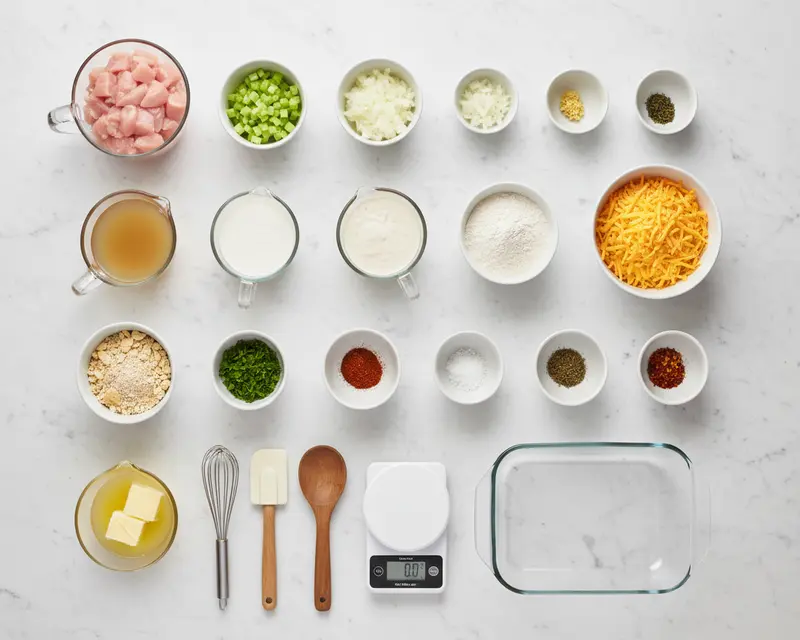
| Ingredient | Amount | Notes |
|---|---|---|
| Rigatoni pasta | ¾ pound | Penne or ziti work too |
| Marinara sauce | 32-48 oz. | More sauce = saucier pasta |
| Shredded mozzarella cheese | 3 cups, divided | Fresh mozzarella works but shred it yourself |
| Grated Parmesan cheese | 1/3 cup, divided | Freshly grated tastes better |
| Boneless skinless chicken breasts | 2 small | About 1-1.5 pounds total |
| All-purpose flour | ¾ cup | For breading |
| Seasoned salt | 2 teaspoons | Lawry’s or your favorite brand |
| Black pepper | ¼ teaspoon | Freshly ground if possible |
| Eggs | 2 large | Room temperature works best |
| Italian breadcrumbs | 1 ½ cups | Plain breadcrumbs plus Italian seasoning works too |
| Vegetable oil | ¾ cup | For frying, may need more |
| Butter | 2 Tablespoons | Adds golden color and flavor |
| Fresh parsley | For garnish | Optional but pretty |
A word about the marinara: I usually start with 32 ounces, which gives you a nice balance of sauce to pasta. But if your family loves extra sauce (like mine does), go ahead and use up to 48 ounces. The pasta will soak up quite a bit while it bakes, so don’t worry about it being too saucy.
The seasoned salt is really key here. It adds that restaurant-quality flavor to the breading without having to measure out a bunch of individual spices. If you don’t have it, you can mix regular salt with garlic powder, onion powder, and paprika.
Step-by-Step Instructions for the Best Frozen Chicken Tender Casserole Recipe
This recipe has a few moving parts, but I promise it’s more straightforward than it looks. The trick is to bread your chicken while the pasta water comes to a boil and while the pasta cooks. That way, you’re not just standing around waiting. Multitasking makes this whole process much faster.
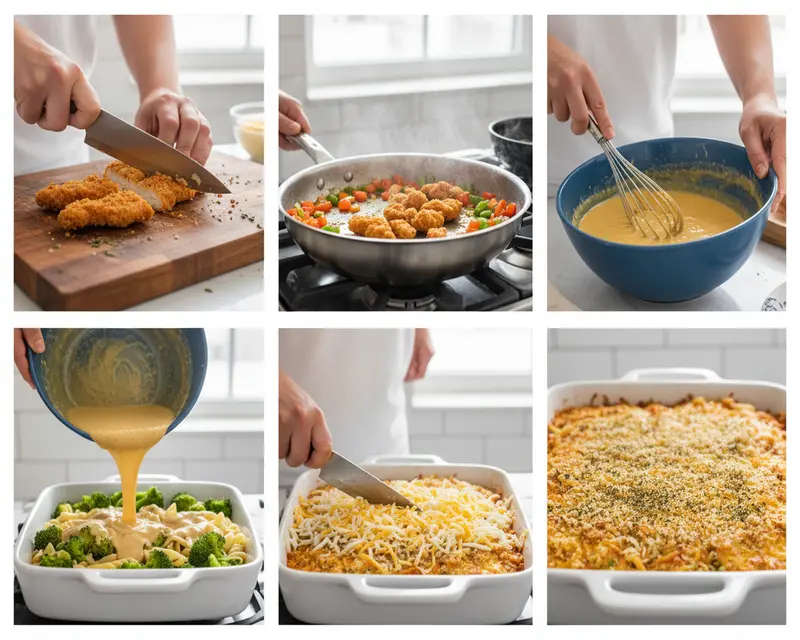
- Start your pasta water. Fill a large pot with water, salt it generously (it should taste like the sea), and set it over high heat to boil. This is the perfect time to start prepping your chicken.
- Prep the chicken for breading. Pat the chicken breasts completely dry with paper towels. This step matters more than you’d think—wet chicken won’t hold the breading well. Cut the breasts into strips about ½ inch thick. They don’t have to be perfectly uniform, but try to keep them roughly the same size so they cook evenly.
- Set up your breading station. Grab three shallow bowls or plates and line them up assembly-line style. In the first bowl, whisk together ¾ cup flour, 2 teaspoons seasoned salt, and ¼ teaspoon pepper. In the second bowl, whisk 2 eggs until they’re completely combined and no streaks remain. In the third bowl, pour 1½ cups Italian breadcrumbs.
- Bread the chicken strips. Take each chicken strip and dredge it in the flour mixture, shaking off any excess. Then dip it briefly in the whisked eggs, letting the extra drip off. Finally, press it into the breadcrumbs, turning to coat all sides completely. Use your palms to gently press and flatten the chicken a bit once it’s coated—this helps the breading stick and creates more surface area for that golden crust. Set the breaded strips on a plate.
- Cook the rigatoni. Once your water is boiling, add the ¾ pound of rigatoni and cook it for 1 minute less than the package directions for al dente. So if the box says 11 minutes for al dente, cook it for 10 minutes. It’ll finish cooking in the oven, and you don’t want mushy pasta.
- Toss the pasta with sauce and cheese. When the pasta is ready, drain it well and return it to the pot. Add 32 ounces of marinara sauce (or more if you’re going saucier), 2 tablespoons of Parmesan cheese, and 1 cup of the shredded mozzarella. Toss everything together until the pasta is well coated. Set the pot aside.
- Heat the oil and butter. Pour about ¼ inch of vegetable oil into a large skillet—I use a 12-inch pan. Add 2 tablespoons of butter to the oil. The butter helps the chicken turn that gorgeous golden brown color and adds a subtle richness. Heat the pan over medium-high heat until the oil shimmers and a breadcrumb dropped in immediately sizzles.
- Fry the chicken in batches. Using kitchen tongs, carefully lower the breaded chicken strips into the hot oil. Don’t crowd the pan—you’ll probably need to cook them in 2 or 3 batches. Cook for about 4 minutes per side, until they’re golden brown and crispy. The internal temperature should reach 165°F according to USDA guidelines. You may need to add more oil between batches if the pan gets dry.
- Drain the chicken. Transfer the cooked strips to a plate lined with paper towels. The paper towels will absorb excess oil, which helps the chicken stay crispier. Let them rest for a minute, then slice the strips into smaller bite-sized pieces—about 1 to 2 inches long.
- Preheat your oven. Set the oven to 375°F. While it’s heating, lightly grease a 9×13-inch casserole dish with cooking spray or a bit of olive oil.
- Layer the first half. Spread half of the saucy rigatoni mixture in the bottom of the prepared casserole dish. Top it with half of the sliced chicken pieces, distributing them evenly. Sprinkle 2 tablespoons of Parmesan cheese over the chicken, followed by 1 cup of mozzarella cheese.
- Add the second layer. Spread the remaining rigatoni mixture over the cheese layer. Top with the rest of the chicken pieces. Finish with the remaining Parmesan and mozzarella cheese, making sure to spread it all the way to the edges of the dish so you get those crispy cheese bits on the sides.
- Bake the casserole. Place the casserole in the preheated oven and bake uncovered for 25 minutes. The cheese should be melted and bubbly, and the edges should be starting to brown.
- Optional: crisp the top. If you want a browner, crispier cheese topping (and honestly, who doesn’t?), increase the oven temperature to 425°F and bake for an additional 5 minutes. Watch it closely so it doesn’t burn—ovens vary, and that high heat works fast.
- Rest and garnish. Let the casserole rest for about 5 minutes before serving. This helps it set up so it doesn’t fall apart when you scoop it. Sprinkle fresh chopped parsley over the top for a pop of color and freshness. Serve it up with some garlic bread on the side and prepare for the compliments.
Expert Tips for Perfect Frozen Chicken Tender Casserole Recipe Results
After making this frozen chicken tender casserole recipe more times than I can count, I’ve picked up a few tricks that make a real difference in the final dish.
Don’t skip drying the chicken. I know I mentioned it in the steps, but it’s worth repeating. Moisture is the enemy of good breading. Pat those chicken breasts bone-dry with paper towels before you cut them into strips.
Keep one hand dry during breading. Use one hand for the wet ingredients (egg) and one for the dry (flour and breadcrumbs). This prevents your fingers from getting coated in a thick layer of breading, which wastes coating and makes the process messy.
Check your oil temperature. If the oil isn’t hot enough, your chicken will absorb too much oil and turn out greasy instead of crispy. If it’s too hot, the outside will burn before the inside cooks through. That shimmer test and the breadcrumb sizzle test are your friends here.
Use a good-quality marinara. Since the sauce is such a prominent part of this dish, it’s worth using a brand you actually like. I usually go with Rao’s or make my own when I have time, but even a mid-range jarred sauce works great. Taste it first—if you wouldn’t eat it straight, don’t use it in your casserole.
Grate your own Parmesan if possible. The pre-grated stuff in the green can is fine in a pinch, but freshly grated Parmesan from a block melts better and tastes infinitely better. It takes two minutes with a box grater and makes a noticeable difference.
Let the casserole rest before serving. I know it’s tempting to dive right in, but those few minutes of resting time let the layers set up. Your servings will hold together much better, and you won’t burn your mouth on molten cheese (learned that one the hard way).
Variations on This Chicken Parmesan Casserole
One of the things I love about this recipe is how adaptable it is. Once you’ve made the basic version a few times, you can start playing around with different flavors and ingredients.
Spicy version: Add red pepper flakes to your marinara sauce or mix some cayenne pepper into the breadcrumb mixture. You can also use a spicy arrabbiata sauce instead of regular marinara. If you like heat, check out this buffalo chicken variation for inspiration.
Vegetable boost: Layer in some sautéed mushrooms, bell peppers, or zucchini between the pasta layers. I’ve also added fresh spinach, which wilts down and adds nutrients without changing the flavor much. Just make sure any vegetables you add are cooked first so they don’t release water into the casserole.
Different pasta shapes: Rigatoni is my preference because those ridges and tubes hold sauce beautifully, but penne, ziti, or even rotini work well. Avoid long pastas like spaghetti or fettuccine—they don’t layer nicely in a casserole.
Cheese swaps: Try mixing in some provolone or fontina with the mozzarella for a more complex flavor. A little bit of ricotta dotted between the layers adds creaminess. Some people swear by adding cream cheese, though I haven’t tried that myself yet.
Protein variations: Turkey cutlets work beautifully in place of chicken. I’ve also made this with Italian sausage sliced into coins (skip the breading for the sausage). For a lighter version, you could use chicken tenders that you bake instead of fry, though you’ll lose some of that crispy texture.
Make it lighter: Use whole wheat pasta, bake the chicken instead of frying it, and go lighter on the cheese. It won’t be quite as indulgent, but it’s still delicious and cuts down on calories significantly.
Troubleshooting Common Issues
Even straightforward recipes can go sideways sometimes. Here’s how to fix the most common problems I’ve encountered or heard about from readers.
Soggy breading on the chicken: This usually means the chicken wasn’t dry enough before breading, or the oil wasn’t hot enough when you added the chicken. Make sure you’re patting the chicken completely dry and testing your oil temperature before adding the chicken. Also, don’t skip the paper towel draining step after frying.
Dry casserole: You probably didn’t use enough sauce, or your pasta was overcooked before it went into the oven. Remember, the pasta should be slightly undercooked, and don’t be shy with the marinara. It’s better to have too much sauce than too little—you can always use less next time.
Watery casserole: If liquid pools around your casserole, your marinara might have been too thin, or you didn’t drain the pasta well enough. Make sure to shake that colander vigorously after draining. If your sauce seems watery, simmer it on the stove for 10 minutes to thicken it up before mixing it with the pasta.
Cheese didn’t brown: Your oven might run cool, or you didn’t bake it long enough. Use an oven thermometer to check your actual temperature. If your cheese is melted but not browned after 25 minutes, definitely do that extra 5 minutes at 425°F. You can also run it under the broiler for 2-3 minutes, but watch it like a hawk.
Chicken is tough: Overcooking is the usual culprit. Chicken breasts dry out quickly, which is why I slice them into thinner strips and watch the cooking time carefully. Use a meat thermometer to check—pull them off the heat as soon as they hit 165°F internally.
Breading falls off: Make sure each piece of chicken goes through all three stations and gets pressed firmly into the breadcrumbs. Also, let the breaded chicken rest for a few minutes before frying if you have time—this helps the breading adhere better. Don’t flip the chicken too early or too often in the pan.
Storage and Reheating for Your Frozen Chicken Tender Casserole Recipe
This casserole is one of those magical dishes that tastes just as good (maybe even better) the next day. Here’s how to store and reheat it properly so it stays delicious.
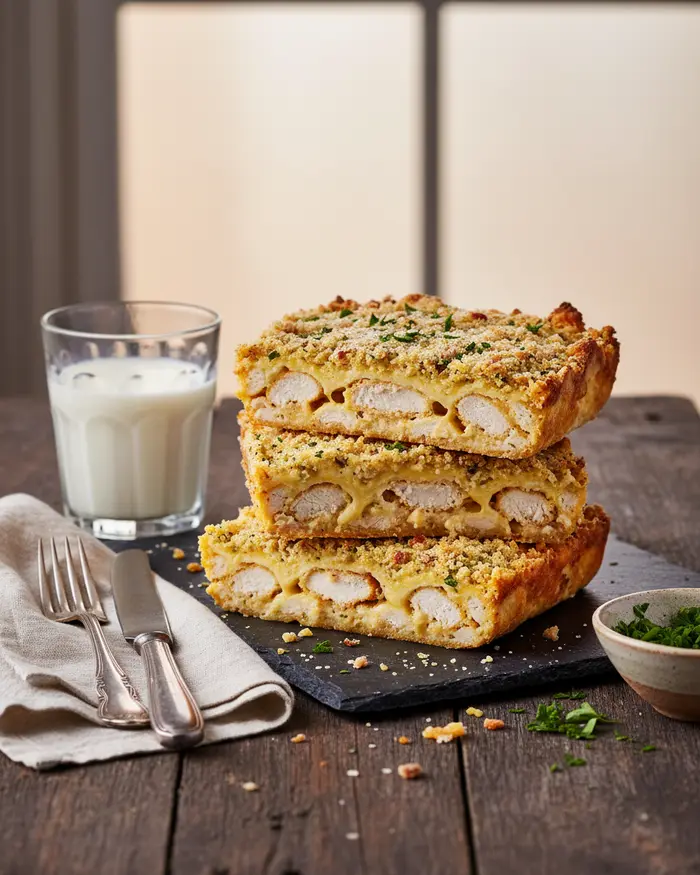
| Storage Method | Duration | Best Practices |
|---|---|---|
| Room temperature | 2 hours max | Cover loosely; don’t leave out longer per food safety guidelines |
| Refrigerator | 3-4 days | Cover tightly with foil or transfer to airtight container |
| Freezer (cooked) | 2-3 months | Wrap tightly in foil, then plastic wrap; label with date |
| Freezer (unbaked) | Up to 3 months | Assemble completely, cover well; bake from frozen, adding 15-20 minutes |
To refrigerate: Let the casserole cool to room temperature, then cover the baking dish tightly with aluminum foil or transfer portions to airtight containers. I usually portion out individual servings because they reheat more evenly and make grab-and-go lunches super easy.
To freeze: This casserole freezes beautifully either before or after baking. If freezing before baking, assemble everything completely, wrap the dish in a layer of plastic wrap followed by a layer of aluminum foil, and freeze. When you’re ready to bake, you can either thaw it overnight in the fridge and bake as directed, or bake it directly from frozen (add 15-20 minutes to the baking time and cover with foil for the first 30 minutes).
If freezing after baking, let it cool completely, then portion it out or freeze the whole thing. Wrap tightly to prevent freezer burn. According to FoodSafety.gov, cooked casseroles maintain best quality for 2-3 months in the freezer.
To reheat individual portions: Microwave works fine for single servings. Place a portion in a microwave-safe dish, cover it loosely, and heat on 50% power for 2-3 minutes, stirring halfway through. This prevents the edges from getting tough while the center stays cold.
To reheat the whole casserole: Preheat your oven to 350°F. If the casserole is cold from the fridge, cover it with foil and bake for about 20-25 minutes until heated through. Remove the foil for the last 5 minutes if you want to crisp up the cheese again. If reheating from frozen, it’ll take 45-60 minutes covered, then 10 minutes uncovered.
Frozen Chicken Tender Casserole Recipe FAQs
Can I use frozen chicken tenders without thawing them first?
Yes, you can use frozen chicken tenders directly in your casserole without thawing. However, you will need to increase the cooking time by approximately 15-20 minutes to ensure the chicken cooks through completely. Make sure the internal temperature reaches 165°F before serving. For more even cooking, you can partially thaw the tenders in the refrigerator for a few hours before assembling the casserole.
How long should I bake a frozen chicken tender casserole?
A frozen chicken tender casserole typically needs to bake at 350°F for about 45-60 minutes if the chicken is fully frozen. If you’ve thawed the chicken tenders first, reduce the baking time to 30-40 minutes. Always check that the chicken has reached an internal temperature of 165°F and the casserole is bubbling around the edges. Cover with foil for the first half of baking to prevent excessive browning, then remove it to allow the top to crisp up.
What are the best ingredients to combine with frozen chicken tenders in a casserole?
Popular ingredients to pair with frozen chicken tenders include cream of mushroom or cream of chicken soup, rice or pasta, mixed vegetables like broccoli or green beans, shredded cheese, and breadcrumbs or crushed crackers for topping. You can also add sour cream, seasonings like garlic powder and Italian herbs, and chicken broth for extra moisture. The combination of creamy sauce, starch, and vegetables creates a complete one-dish meal.
How do I prevent my frozen chicken tender casserole from being watery?
To prevent a watery casserole, avoid adding too much liquid and make sure to use condensed cream soups rather than regular soups. If using frozen vegetables, consider using ones without added ice crystals or thaw and drain them first. You can also add a thickening agent like cornstarch mixed with a little water, or include ingredients that absorb moisture like rice or pasta. Additionally, leave the casserole uncovered for the last 10-15 minutes of baking to allow excess moisture to evaporate.
Can I prepare a frozen chicken tender casserole ahead of time?
Yes, you can prepare the casserole ahead of time by assembling all ingredients in your baking dish, covering it tightly with plastic wrap and aluminum foil, and refrigerating for up to 24 hours before baking. You can also freeze the assembled unbaked casserole for up to 3 months. If baking from frozen, add an additional 20-30 minutes to the cooking time and keep it covered with foil until the last 15 minutes. Always ensure the chicken reaches 165°F internal temperature.
Time to Make This Irresistible Frozen Chicken Tender Casserole Recipe
This frozen chicken tender casserole recipe has become one of my most-requested dinners, and I think once you try it, you’ll understand why. It hits all the comfort food notes—crispy chicken, tender pasta, tangy marinara, and loads of melted cheese—without requiring you to stand over the stove plating individual portions.
The beauty of this chicken Parmesan casserole is that it looks and tastes like you spent hours in the kitchen, but the actual hands-on time is pretty reasonable, especially once you get the hang of the breading process. And the payoff is huge: a dish that feeds a crowd, reheats beautifully, and makes your house smell absolutely amazing while it bakes.
Whether you’re feeding a hungry family on a weeknight, prepping meals for the week ahead, or bringing a dish to a potluck, this casserole delivers. The crispy chicken, saucy pasta, and bubbly cheese come together in a way that just works.
Give this frozen chicken tender casserole recipe a try this week, and let me know how it turns out! I’d love to hear what variations you try or any tips you discover along the way. And if you’re looking for more comforting chicken recipes, check out these chicken sandwich variations or these spicy chicken sliders for your next meal.