Limoncello Recipe
Learn how to make authentic homemade Limoncello with this easy guide! This bright, refreshing Italian lemon liqueur is perfect for sipping ice-cold or gifting to friends and family.
Okay, so here’s the thing about limoncello—once you make it at home, you’ll never look at those store-bought bottles the same way again. I first tried making this after a trip to the Amalfi Coast (jealous? you should be!), and honestly, it’s been my go-to homemade gift ever since. There’s something magical about watching those bright yellow lemon peels transform pure alcohol into liquid sunshine.
Table of Contents
What Makes This Limoncello Recipe So Special
This isn’t just any limoncello recipe—it’s the real deal. You’re getting that intensely lemony, perfectly sweet Italian liqueur that’ll transport you straight to a sunny terrace overlooking the Mediterranean. The best part? You control exactly how strong or mild you want it, so whether you like yours to pack a punch or prefer something gentler, you’ve got options.
This best limoncello recipe is surprisingly straightforward, and the hardest part is honestly just waiting for those lemons to work their magic. Trust me, the patience pays off big time.
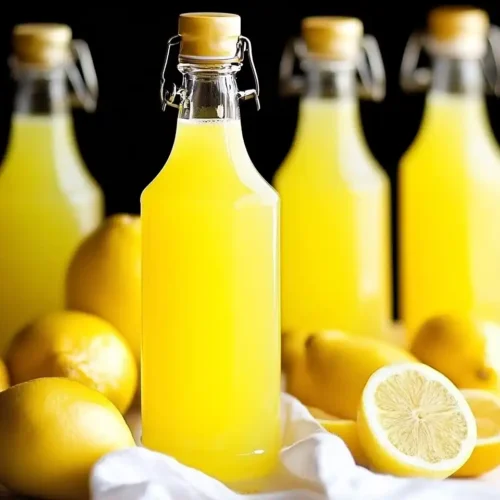
Limoncello Recipe: The Perfect Italian Lemon Liqueur You’ll Love
Equipment
- Vegetable peeler
- Sharp knife
- Large glass jar
- Saucepan
- Large mixing bowl
- Funnel
- Glass bottles
- Strainer
Ingredients
Lemon Infused Alcohol
- 8 big organic lemons or 9 small lemons
- 750 milliliters pure grain alcohol 190 proof/95% vol, approx 3 cups + 2 tablespoon
Sugar Syrup
- 2½ cups white sugar 550g, makes 1350ml or 5½ cups syrup
- 4½ cups water 1080ml
Extra Syrup For Milder Limoncello (Optional)
- ⅓ cup white sugar 75g
- 1 cup water 240ml
Instructions
- Using a vegetable peeler or a small sharp knife, peel off the lemon zest as thin as possible. We only need the yellow part. If you happen to cut any white pith together with yellow zest, just trim off any white spots with a sharp knife. You want zero white pith because that stuff’s bitter and will totally mess with your limoncello’s vibe.
- Place all the lemon peels in the jar with alcohol. Seal it up tight and find it a nice dark spot away from direct sunlight.
- Leave to macerate for at least 7 days, best 3 weeks or longer. Make sure to keep the bottle out of direct sunlight. The alcohol pulls out all those incredible lemon oils, and your jar will turn this beautiful sunny yellow color.
- Prepare sugar syrup. Mix water and sugar in the saucepan. On medium heat continue to stir in the sugar until it’s completely dissolved. Let the syrup simmer until boiling. Remove from the heat and allow to cool completely.
- In a large saucepan, mixing bowl, or container add lemon infused alcohol (strain out those peels first). Continuously stirring, start adding the sugar syrup. Once you’ve added 5 cups, taste. Limoncello will be pretty strong. Add more sugar syrup and taste again.
- Add more sugar syrup for a milder taste, reduce it for a stronger limoncello. I don’t recommend diluting the alcohol base too much.
- Once you’ve reached the perfect flavor, bottle your limoncello in glass bottles using a funnel.
- Chill in the freezer for at least a few hours before serving. Limoncello is meant to be served ice-cold, and when it’s straight from the freezer, it gets this gorgeous, syrupy consistency that’s absolute perfection.
Notes
What You’ll Need: Limoncello Ingredients
Here’s everything you need to make about 1.5 liters of the good stuff. Don’t skimp on quality here—your lemons should be organic (you’re using the peels, after all), and the alcohol needs to be the high-proof stuff.
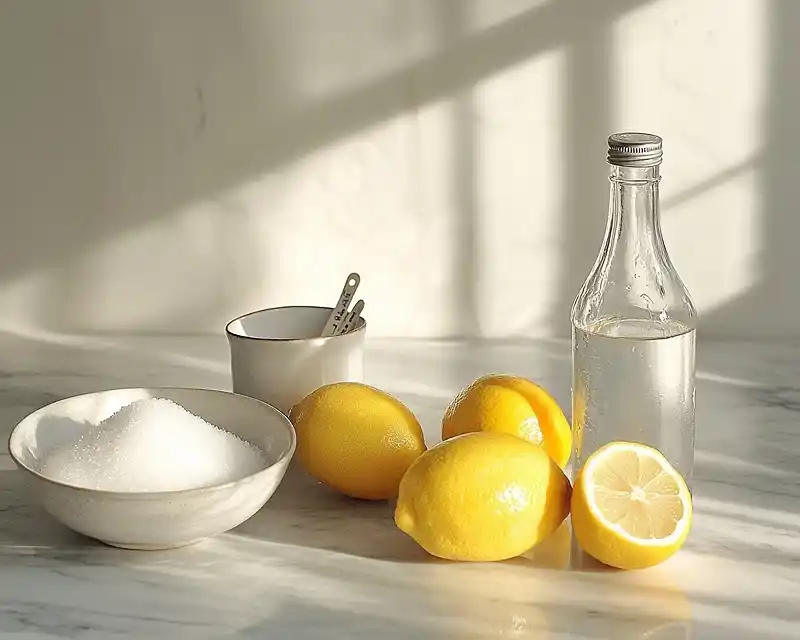
| Ingredient Category | What You Need | Notes |
|---|---|---|
| Lemon Infused Alcohol | 8 big organic lemons (or 9 small ones) | Use organic! You’re using the peel, and you don’t want pesticides in your limoncello |
| 750 ml pure grain alcohol (190 proof/95% vol) | About 3 cups + 2 tablespoons. Check notes if using 1L or 1.75L bottle | |
| Sugar Syrup | 2½ cups white sugar (550g) | Makes about 1350ml or 5½ cups of syrup |
| 4½ cups water (1080ml) | ||
| Extra Syrup (Optional) | ⅓ cup white sugar (75g) | For a milder, sweeter limoncello |
| 1 cup water (240ml) | Add this if you want it less boozy |
How to Make Limoncello: Step-by-Step Instructions
Alright, let’s walk through this together. It’s way easier than you think!
Prepping Those Beautiful Lemons
Grab your vegetable peeler or a sharp little knife—we’re going lemon peel hunting. Carefully peel off just the yellow zest, keeping it as thin as possible. You want zero white pith because that stuff’s bitter and will totally mess with your limoncello’s vibe.
If you accidentally get some white bits (happens to the best of us), just use your knife to scrape them off. A little bit won’t ruin everything, but the less white pith, the better your final product will taste.
The Maceration Magic
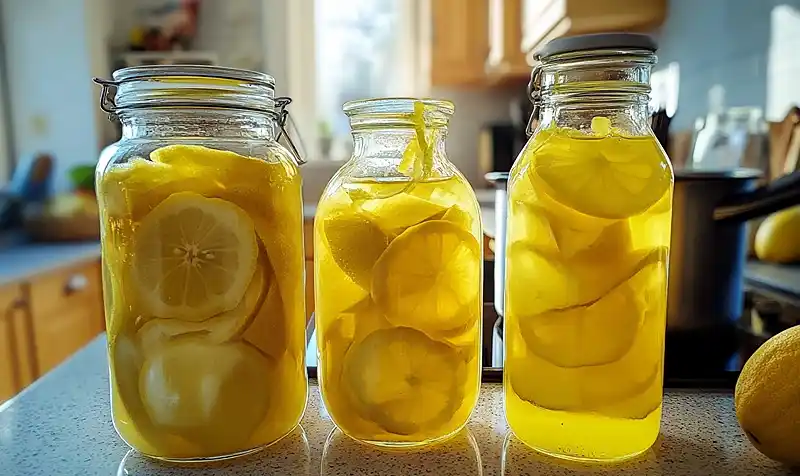
Pop all those gorgeous yellow peels into your jar and pour in the alcohol. Seal it up tight and find it a nice dark spot away from direct sunlight—think of it like a vampy lemon spa retreat.
Now comes the tough part: waiting. You technically can move forward after 7 days, but honestly? Three weeks or longer is where the magic really happens. The alcohol pulls out all those incredible lemon oils, and your jar will turn this beautiful sunny yellow color. It’s like watching sunshine in a bottle.
Making Your Sugar Syrup
While you’re waiting (or after your maceration is done), let’s whip up that sugar syrup. Toss your sugar and water into a saucepan over medium heat. Keep stirring until every last sugar crystal dissolves—we don’t want any grittiness here.
Let it come to a gentle simmer until it starts bubbling, then pull it off the heat. Now let it cool completely. I mean it—completely! Hot syrup plus alcohol equals a science experiment you don’t want in your kitchen.
Bringing It All Together
Here’s where you become a limoncello mixologist. Grab a large container or saucepan and pour in your gorgeous lemon-infused alcohol (strain out those peels first, obviously). Start adding your cooled sugar syrup while stirring continuously.
After you’ve added about 5 cups, pause and taste it. Yeah, it’ll be strong—this is limoncello, baby! But here’s your moment to customize. Want it milder? Add more syrup. Like it strong enough to make your Italian grandmother proud? Stop here.
Pro tip: I usually add that extra cup of syrup to mine because I like sipping it without feeling like I need to lie down afterward, but you do you!
Bottling Your Liquid Gold
Once you’ve nailed your perfect flavor, grab some clean glass bottles and a funnel. Carefully pour your limoncello into the bottles—this is super giftable, by the way, so consider splitting it among a few pretty bottles.
Pop those bottles in the freezer for at least a few hours before serving. Limoncello is meant to be served ice-cold, and when it’s straight from the freezer, it gets this gorgeous, syrupy consistency that’s absolute perfection.
Expert Tips for the Best Limoncello
Go organic or go home. Seriously, those lemon peels are the star of the show, and conventional lemons can have waxy coatings and pesticide residue. Not what you want infusing your alcohol for weeks!
Patience really is a virtue here. I know waiting three weeks feels like forever, but the difference between 7-day limoncello and 21-day limoncello is huge. Like, noticeably different in flavor depth and smoothness.
Temperature matters. Always serve limoncello freezer-cold. It won’t actually freeze because of the alcohol content, but it’ll get wonderfully thick and smooth. Room temperature limoncello? That’s a hard pass.
Fun Variations to Try
Creamy Limoncello (Limoncello Cream)
Want to switch things up? Add some heavy cream to a portion of your finished limoncello for a dessert-like treat. Mix about 1 cup of cream with 2 cups of limoncello, shake well, and you’ve got yourself a velvety Limoncello cream that’s basically drinkable lemon cheesecake.
Orange-cello or Mixed Citrus
Who says lemons get to have all the fun? Try substituting some blood oranges, regular oranges, or even grapefruit. You could also do a mixed citrus version with a combination of lemon, orange, and lime peels for something totally unique.
Herb-Infused Limoncello
Throw in a couple sprigs of fresh basil, mint, or thyme with your lemon peels for an herbal twist. The subtle herb notes pair beautifully with the bright lemon flavor and make for seriously impressive cocktails.
Troubleshooting Common Issues
My limoncello tastes bitter. You probably got too much white pith in there. Next time, be super careful when peeling, and trim off any white bits before they hit the alcohol.
It’s too strong/too weak. That’s an easy fix! Too strong? Make another batch of sugar syrup and add it gradually until it’s where you want it. Too weak? Let it be a lesson for next time, or embrace it as a “light” version perfect for afternoon sipping.
The color isn’t bright yellow. This usually means either your lemons weren’t great quality, or you didn’t macerate long enough. Give it more time, and make sure you’re storing it in a dark place—light can fade that beautiful color.
Storage, Reheating, and Kitchen Wisdom
| Storage Type | How To | How Long |
|---|---|---|
| Pantry/Bar | Store in a cool, dark place in sealed glass bottles | Up to 1 year |
| Freezer | Keep in freezer for serving (won’t freeze solid) | Indefinitely |
| Refrigerator | Sealed bottle in fridge works too | Up to 1 year |
Zero-waste tip: Don’t toss those naked lemons! You’ve already peeled them, so juice them all and freeze the juice in ice cube trays. Pop a couple cubes into water, tea, or cocktails whenever you need fresh lemon juice. You can also make some amazing banana oatmeal bars with a lemon glaze, or whip up a bright bruschetta dip with fresh lemon juice.
No reheating needed here! Limoncello is always served cold. Always. That’s the rule.
Ways to Enjoy Your Homemade Limoncello
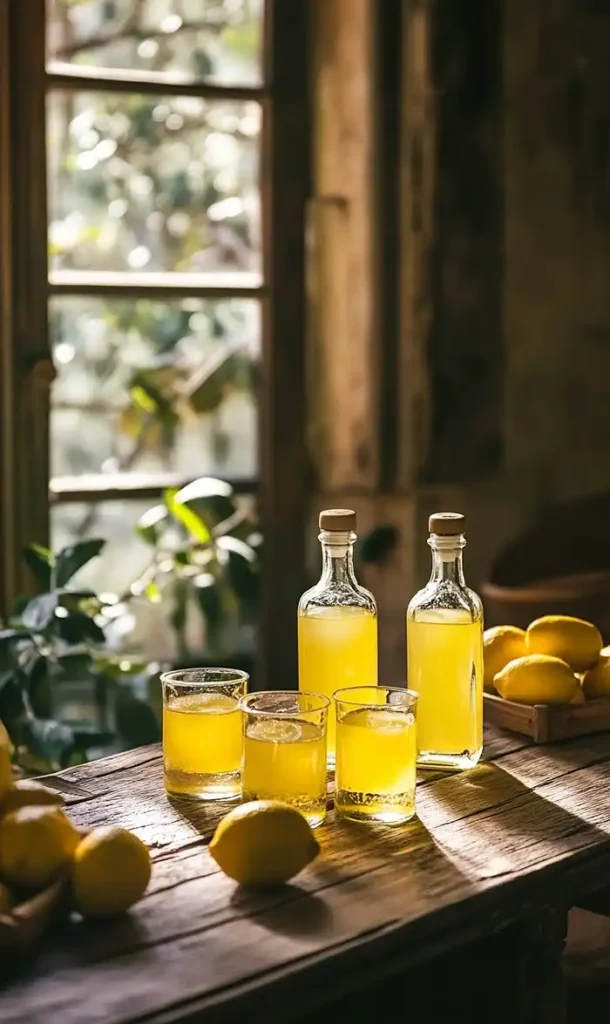
Pour it into tiny chilled glasses and sip it after dinner as a digestif—that’s the traditional Italian way. Or get creative and use it in cocktails! Mix it with prosecco for a bubbly treat, drizzle it over vanilla gelato, or add a splash to your lemonade (hello, Jamaican lemonade drink vibes with a boozy twist!).
It also makes an incredible addition to desserts. Pour a little over pound cake, mix it into whipped cream, or use it in a lemon trifle. The possibilities are honestly endless once you’ve got a bottle of this sunshine in your freezer.
Speaking of freezer treats, if you love citrus flavors, you’ve gotta try my cinnamon sugar air fryer banana chips—totally different vibe but equally addictive!
Nutrition Information (Per 2 oz Serving)
| Nutrient | Amount |
|---|---|
| Calories | 165 |
| Carbohydrates | 24g |
| Sugars | 24g |
| Protein | 0g |
| Fat | 0g |
| Alcohol | 14g |
Note: Nutrition varies based on how much sugar syrup you add. This is an estimate for a standard-strength limoncello.
Limoncello Recipe FAQs
How long does limoncello last?
Your homemade limoncello will stay perfect for at least a year when stored properly in a sealed bottle. The high alcohol content acts as a natural preservative, so it won’t go bad. Just keep it away from direct light and heat, and you’re golden.
Can I use vodka instead of pure grain alcohol?
You can, but your easy limoncello recipe won’t be quite as authentic or flavorful. Vodka is lower proof (usually 80 proof vs 190 proof), so the lemon oils won’t extract as intensely. If you go this route, use the highest proof vodka you can find and extend your maceration time.
What do I do with the leftover lemon peels?
Once they’ve done their job infusing the alcohol, toss them. They’ve given up all their flavor and oils, so there’s not much use for them anymore. The juiced lemon flesh, though? That’s your meal prep goldmine for the next few weeks!
Why does my limoncello look cloudy?
Cloudiness usually happens when the limoncello gets too cold too fast, or if there’s still some pith oil in there. It’s totally safe to drink! If it bothers you, let it come to room temperature, then strain it through a coffee filter before re-chilling.
Can I make this with other citrus fruits?
Absolutely! The same technique works beautifully with oranges (arancello), grapefruits, or even mixed citrus. Just remember that different fruits have different oil intensities, so you might need to adjust your maceration time or the amount of peels you use.
Time to Make Some Limoncello Magic
There you have it—your complete guide to making the best limoncello recipe right in your own kitchen! I’m telling you, once you nail this, you’ll be that friend who always shows up with the coolest homemade gift. Plus, there’s something incredibly satisfying about sipping something you made yourself, especially when it tastes this good.
So grab those lemons, clear out some freezer space, and get started on your limoncello journey. And hey, when you finally crack open that first bottle (after patiently waiting those three weeks… right?), snap a pic and share it on Pinterest! I’d love to see how yours turns out.
Got questions or want to share your limoncello success story? Drop a comment below! And if you’re looking for more delicious recipes to try, check out these spinach artichoke wonton cups—they’re perfect for your next party, limoncello included.
Cheers to making liquid sunshine! 🍋